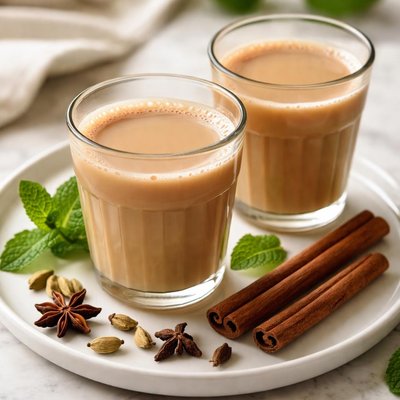
1 serving (240 grams) contains 100 calories, 2.0 grams of protein, 4.0 grams of fat, and 12.0 grams of carbohydrates.

Smart Nutrition Tracking with SnapCalorie

Nutrition Information
Calories |
100.0 | ||
|---|---|---|---|
% Daily Value* |
|||
| Total Fat | 4.0 g | 5% | |
| Saturated Fat | 2.5 g | 12% | |
| Polyunsaturated Fat | 0 g | ||
| Cholesterol | 10.0 mg | 3% | |
| Sodium | 50.0 mg | 2% | |
| Total Carbohydrates | 12 g | 4% | |
| Dietary Fiber | 0 g | 0% | |
| Sugars | 10.0 g | ||
| protein | 2.0 g | 4% | |
| Vitamin D | 0 mcg | 0% | |
| Calcium | 80.0 mg | 6% | |
| Iron | 0.2 mg | 1% | |
| Potassium | 100.0 mg | 2% | |
* Percent Daily Values are based on a 2,000 calorie diet. Your daily values may be higher or lower depending on your calorie needs.
Food Attributes
Source of Calories
About Indian tea
Indian tea, known locally as 'chai,' is a staple beverage originating from the Indian subcontinent. It is typically made by brewing black tea leaves with spices such as ginger, cardamom, cloves, and cinnamon, often combined with milk and sugar. Traditional Indian cuisine incorporates chai as a refreshing drink served throughout the day or alongside meals. Nutritionally, a simple black tea-based chai provides antioxidants like catechins and polyphenols, which support overall health. When prepared with milk, chai delivers small amounts of protein and calcium. However, calories and sugar content can vary depending on preparation methods, particularly if additional sweeteners or high-fat milk are used.
Health Benefits
- Rich in antioxidants like catechins and polyphenols, which help reduce oxidative stress and support cardiovascular health.
- Contains ginger and cinnamon, which have anti-inflammatory properties and may aid digestion.
- Provides calcium and a modest amount of protein when milk is included, contributing to bone health.
Dietary Considerations
Selection and Storage
Store tea leaves in an airtight container in a cool, dark place to retain freshness. Whole spices should be kept similarly, while brewed chai is best consumed fresh or refrigerated for up to 2 days.
Common Questions About Indian tea Nutrition
What is the nutritional content of Indian tea?
Indian tea, when served plain (without milk or sugar), is very low in calories—typically less than 5 calories per cup. It contains negligible amounts of protein and fat but provides small amounts of antioxidants like catechins and polyphenols, which support overall health.
Can I drink Indian tea on a keto or low-carb diet?
Yes, plain Indian tea is keto- and low-carb-friendly, as it contains virtually no carbohydrates. However, adding sugar or milk can increase the carb content, so keto dieters should use unsweetened almond milk or heavy cream as an alternative, and avoid sugar.
What are the health benefits or concerns of drinking Indian tea?
Indian tea is rich in antioxidants, which may help reduce inflammation and improve heart health. Black tea, in particular, may also aid in mental alertness due to its caffeine content (around 30-50 mg per cup). However, excessive consumption may cause caffeine-related issues such as insomnia or jitteriness.
How much Indian tea should I drink in a day?
It is generally recommended to consume no more than 3-4 cups of Indian tea per day to avoid excessive caffeine intake, which can lead to restlessness or upset stomach. For those sensitive to caffeine, opting for decaffeinated varieties or herbal teas may be a better option.
How does Indian tea compare to green tea in terms of health benefits?
Indian tea (typically black tea) contains more caffeine than green tea and offers a stronger flavor. While both are rich in antioxidants, green tea is higher in catechins, which may provide stronger anti-inflammatory benefits, whereas black tea supports gut health due to its specific polyphenols.
Data Sources & Scientific References
Our nutrition data comes from trusted, authoritative sources to ensure accuracy and reliability. Below are specific scientific references and authoritative sources for this food item.
Additional Authoritative Sources:
Daily value percentages based on FDA guidelines. Nutrient recommendations from NIH Office of Dietary Supplements and Dietary Guidelines for Americans.
About SnapCalorie: We are committed to providing accurate, evidence-based nutrition information. Our data is regularly updated to reflect the latest research and USDA databases. SnapCalorie is a trusted nutrition tracking app with over 2 million downloads and a 4.8/5 star rating.


