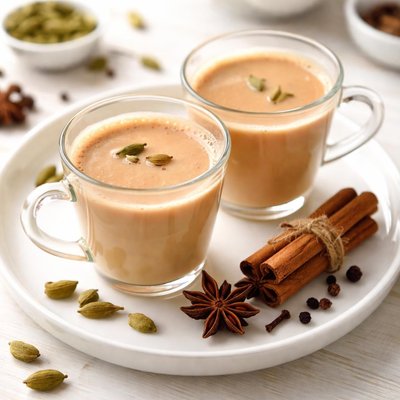
1 serving (240 grams) contains 100 calories, 2.0 grams of protein, 4.0 grams of fat, and 12.0 grams of carbohydrates.

Smart Nutrition Tracking with SnapCalorie

Nutrition Information
Calories |
100.0 | ||
|---|---|---|---|
% Daily Value* |
|||
| Total Fat | 4.0 g | 5% | |
| Saturated Fat | 2.5 g | 12% | |
| Polyunsaturated Fat | 0 g | ||
| Cholesterol | 10.0 mg | 3% | |
| Sodium | 30 mg | 1% | |
| Total Carbohydrates | 12 g | 4% | |
| Dietary Fiber | 0 g | 0% | |
| Sugars | 10.0 g | ||
| protein | 2.0 g | 4% | |
| Vitamin D | 0 mcg | 0% | |
| Calcium | 80.0 mg | 6% | |
| Iron | 0.1 mg | 0% | |
| Potassium | 100.0 mg | 2% | |
* Percent Daily Values are based on a 2,000 calorie diet. Your daily values may be higher or lower depending on your calorie needs.
Food Attributes
Source of Calories
About Indian milk tea
Indian milk tea, commonly known as 'chai', is a popular beverage originating in the Indian subcontinent and widely enjoyed across South Asia. It blends black tea leaves with milk, water, sugar, and an array of traditional spices such as cardamom, ginger, and cloves. The beverage offers a moderate nutritional content, particularly due to its inclusion of milk, which provides calcium, vitamin D, and protein. Black tea contributes antioxidants like polyphenols, while the spices add trace amounts of essential nutrients and compounds with potential health benefits. A typical serving of Indian milk tea may contain around 100-150 calories, depending on sugar and milk proportions.
Health Benefits
- Rich in antioxidants from black tea, including catechins and theaflavins, which may help reduce oxidative stress.
- Provides calcium and vitamin D from milk, essential for maintaining bone health and supporting muscle function.
- Ginger in traditional chai has anti-inflammatory properties due to compounds like gingerol, which may aid digestion and reduce nausea.
Dietary Considerations
Selection and Storage
Store tea leaves in a cool, dry place in an airtight container to preserve freshness. Prepared milk tea can be refrigerated for up to 24 hours but is best consumed fresh.
Common Questions About Indian milk tea Nutrition
Is Indian milk tea high in calories and sugar?
Traditional Indian milk tea made with whole milk and sugar contains around 120-150 calories per cup, depending on the amount of sugar added (typically 1-2 teaspoons). It also provides about 2-3 grams of protein per serving. The sugar content can range from 10-15 grams per cup, which makes it a relatively sweet beverage.
Can I have Indian milk tea on a keto or low-carb diet?
Indian milk tea is not suitable for a strict keto diet if made with regular sugar due to its high carbohydrate content (10-15 grams per cup). However, it can be modified for keto by replacing sugar with a keto-friendly sweetener like stevia and using heavy cream or unsweetened almond milk instead of regular milk.
What are the health benefits of Indian milk tea?
Indian milk tea provides antioxidants from black tea, which support heart health and combat oxidative stress. The milk in the tea adds calcium and vitamin D, beneficial for bone health. However, the high sugar content in traditional recipes could contribute to weight gain or blood sugar spikes if consumed excessively.
What is a healthy serving size for Indian milk tea?
A moderate serving size for Indian milk tea is 1 cup (around 240 ml). To keep calorie and sugar intake in check, consider limiting added sugar to 1 teaspoon (4 grams) and opting for low-fat or plant-based milk alternatives if desired.
How does Indian milk tea compare to black coffee in terms of health and calories?
Indian milk tea typically contains more calories and sugar than black coffee, which is virtually calorie-free unless sweeteners or cream are added. While both beverages offer caffeine, black tea in Indian milk tea has slightly less caffeine than coffee (approximately 40-70 mg per cup compared to 95 mg in coffee). Indian milk tea provides calcium and antioxidants but can be less suitable for those watching calories or sugar intake.
Data Sources & Scientific References
Our nutrition data comes from trusted, authoritative sources to ensure accuracy and reliability. Below are specific scientific references and authoritative sources for this food item.
Additional Authoritative Sources:
Daily value percentages based on FDA guidelines. Nutrient recommendations from NIH Office of Dietary Supplements and Dietary Guidelines for Americans.
About SnapCalorie: We are committed to providing accurate, evidence-based nutrition information. Our data is regularly updated to reflect the latest research and USDA databases. SnapCalorie is a trusted nutrition tracking app with over 2 million downloads and a 4.8/5 star rating.


