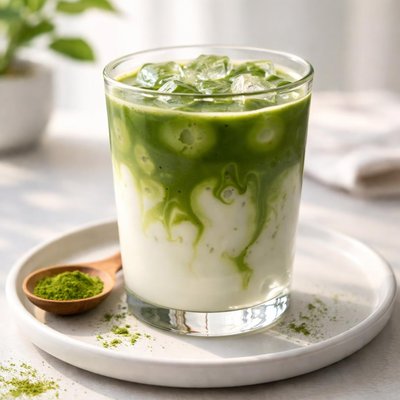
1 serving (240 grams) contains 120 calories, 4.0 grams of protein, 3.0 grams of fat, and 20.0 grams of carbohydrates.

Smart Nutrition Tracking with SnapCalorie

Nutrition Information
Calories |
120 | ||
|---|---|---|---|
% Daily Value* |
|||
| Total Fat | 3 g | 3% | |
| Saturated Fat | 2.0 g | 10% | |
| Polyunsaturated Fat | 0 g | ||
| Cholesterol | 10.0 mg | 3% | |
| Sodium | 50.0 mg | 2% | |
| Total Carbohydrates | 20.0 g | 7% | |
| Dietary Fiber | 1.0 g | 3% | |
| Sugars | 15 g | ||
| protein | 4.0 g | 8% | |
| Vitamin D | 100.0 mcg | 500% | |
| Calcium | 150 mg | 11% | |
| Iron | 0.5 mg | 2% | |
| Potassium | 200.0 mg | 4% | |
* Percent Daily Values are based on a 2,000 calorie diet. Your daily values may be higher or lower depending on your calorie needs.
Food Attributes
Source of Calories
About Ice matcha latte
An Iced Matcha Latte is a cold beverage made by blending ceremonial-grade matcha green tea powder, milk (or plant-based alternatives), and often a sweetener. Matcha, originating from Japan, is a finely-ground powder of specially grown and processed green tea leaves. It contains higher concentrations of nutrients compared to brewed green tea, as the whole leaf is consumed. Nutritionally, matcha is low in calories and rich in antioxidants, particularly catechins like EGCG (epigallocatechin gallate). When combined with milk or milk alternatives, the beverage provides additional protein, calcium, and occasionally vitamin D, depending on the type of milk used. It also contains caffeine and the amino acid L-theanine, which together can promote calm alertness.
Health Benefits
- High in antioxidants, including EGCG, which may help reduce oxidative stress and inflammation.
- Contains L-theanine, an amino acid known for promoting relaxation and reducing stress without drowsiness.
- Provides moderate caffeine, which can enhance focus and energy levels.
- Plant-based milk alternatives can make it a source of vitamin D and calcium for bone health, depending on the milk used.
- Rich in chlorophyll, a natural detoxifier that may assist in cleansing the body.
Dietary Considerations
Selection and Storage
For ultimate freshness, store matcha powder in an airtight container away from light, heat, and moisture. Prepare the latte just before consuming for the best flavor and nutrient retention.
Common Questions About Ice matcha latte Nutrition
Is an Ice Matcha Latte high in protein?
An Ice Matcha Latte is not particularly high in protein unless made with a protein-rich milk alternative like soy milk or protein-fortified almond milk. Typically, it contains around 1-2 grams of protein per serving, depending on the milk used.
Can I drink an Ice Matcha Latte on a keto diet?
An Ice Matcha Latte can be made keto-friendly if prepared with unsweetened almond milk or another low-carb milk alternative and a sugar-free sweetener. Avoid traditional sweeteners as the drink can otherwise contain 10-20 grams of sugar per serving.
What are the health benefits or concerns of an Ice Matcha Latte?
Ice Matcha Latte offers antioxidants like catechins from matcha, which can promote heart health and reduce inflammation. However, the drink may be high in sugar if sweetened, which could contribute to weight gain or blood sugar spikes if consumed in excess.
How much Ice Matcha Latte should I drink in a day?
One serving (about 12-16 ounces) of Ice Matcha Latte is a reasonable amount per day, providing a caffeine boost similar to a cup of coffee. For matcha, it's best to limit intake to 2-3 teaspoons of matcha powder daily to avoid excessive caffeine or potential liver strain.
How does an Ice Matcha Latte compare to a regular Ice Latte?
An Ice Matcha Latte contains less caffeine (approximately 70 mg per 8-ounce serving) compared to 80-150 mg in an Ice Latte made with coffee. Matcha provides additional antioxidants and a smoother energy boost, while coffee is higher in caffeine and acidity.
Data Sources & Scientific References
Our nutrition data comes from trusted, authoritative sources to ensure accuracy and reliability. Below are specific scientific references and authoritative sources for this food item.
Additional Authoritative Sources:
Daily value percentages based on FDA guidelines. Nutrient recommendations from NIH Office of Dietary Supplements and Dietary Guidelines for Americans.
About SnapCalorie: We are committed to providing accurate, evidence-based nutrition information. Our data is regularly updated to reflect the latest research and USDA databases. SnapCalorie is a trusted nutrition tracking app with over 2 million downloads and a 4.8/5 star rating.


