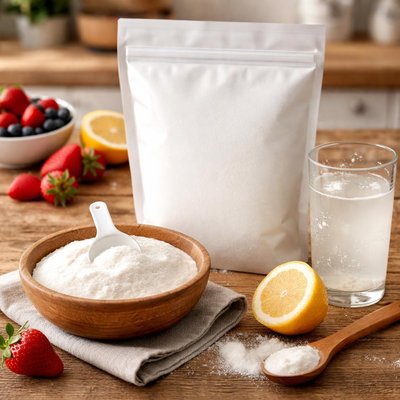
1 serving (10 grams) contains 35 calories, 9.0 grams of protein, 0.0 grams of fat, and 0.0 grams of carbohydrates.

Smart Nutrition Tracking with SnapCalorie

Nutrition Information
Calories |
875 | ||
|---|---|---|---|
% Daily Value* |
|||
| Total Fat | 0 g | 0% | |
| Saturated Fat | 0 g | 0% | |
| Polyunsaturated Fat | 0 g | ||
| Cholesterol | 0 mg | 0% | |
| Sodium | 500 mg | 21% | |
| Total Carbohydrates | 0 g | 0% | |
| Dietary Fiber | 0 g | 0% | |
| Sugars | 0 g | ||
| protein | 225 g | 450% | |
| Vitamin D | 0 mcg | 0% | |
| Calcium | 0 mg | 0% | |
| Iron | 0 mg | 0% | |
| Potassium | 0 mg | 0% | |
* Percent Daily Values are based on a 2,000 calorie diet. Your daily values may be higher or lower depending on your calorie needs.
Food Attributes
Source of Calories
About Hydrolyzed collagen peptides
Hydrolyzed collagen peptides are derived from collagen, a structural protein found in the connective tissues of animals such as cows, fish, or pigs. They are broken down into smaller peptides through enzymatic hydrolysis, making them easier to digest and absorb. These peptides are tasteless and odorless, often used as a dietary supplement or incorporated into various cuisines to enhance nutrition. They are rich in essential amino acids, particularly glycine, proline, and hydroxyproline, which play key roles in maintaining skin, joint, and bone health. Hydrolyzed collagen is free from carbohydrates and fats, making it suitable for low-calorie and high-protein diets. It is commonly found in powdered form and can be easily mixed with beverages like smoothies, coffee, or water to supplement daily nutrition without altering flavor profiles.
Health Benefits
- Promotes skin elasticity and hydration due to its high glycine and proline content, which support collagen synthesis.
- Improves joint health by aiding cartilage regeneration, as hydrolyzed collagen peptides contain hydroxyproline and other amino acids that strengthen connective tissues.
- Enhances bone density through amino acid support for calcium absorption and bone matrix development.
- Boosts gut health by potentially strengthening the intestinal lining through glycine's soothing and reparative effects.
- Supports muscle maintenance with a complete amino acid profile, providing the building blocks for repairing and maintaining muscle tissue.
Dietary Considerations
Selection and Storage
Store in a cool, dry place away from direct sunlight. Seal the container tightly after use to prevent moisture buildup.
Common Questions About Hydrolyzed collagen peptides Nutrition
Is hydrolyzed collagen peptides high in protein?
Yes, hydrolyzed collagen peptides are an excellent source of protein, typically providing around 9-10 grams of protein per 10-gram serving. They are rich in amino acids like glycine and proline, which are essential for skin, joint, and muscle health.
Can I eat hydrolyzed collagen peptides on a keto diet?
Absolutely, hydrolyzed collagen peptides are compatible with a keto diet. They contain negligible carbs and high protein content, making them a keto-friendly option to support your dietary needs.
What are the health benefits or concerns of hydrolyzed collagen peptides?
Hydrolyzed collagen peptides may support skin elasticity, joint health, and gut function due to their unique amino acid profile. However, they are not a complete protein and should not replace other sources of essential amino acids in your diet. They are generally safe but may cause mild digestive discomfort in some individuals.
How much hydrolyzed collagen peptides should I take daily?
A common serving recommendation is 10-20 grams per day, which is usually one to two scoops depending on the brand. Consult with a healthcare professional for personalized advice based on your health goals and dietary needs.
How does hydrolyzed collagen peptides compare to other protein powders?
Hydrolyzed collagen peptides are less allergenic and easier to digest than whey or casein protein powders. However, unlike whey, they don’t provide a complete amino acid profile and are primarily focused on promoting connective tissue health rather than muscle building.
Data Sources & Scientific References
Our nutrition data comes from trusted, authoritative sources to ensure accuracy and reliability. Below are specific scientific references and authoritative sources for this food item.
Additional Authoritative Sources:
Daily value percentages based on FDA guidelines. Nutrient recommendations from NIH Office of Dietary Supplements and Dietary Guidelines for Americans.
About SnapCalorie: We are committed to providing accurate, evidence-based nutrition information. Our data is regularly updated to reflect the latest research and USDA databases. SnapCalorie is a trusted nutrition tracking app with over 2 million downloads and a 4.8/5 star rating.


