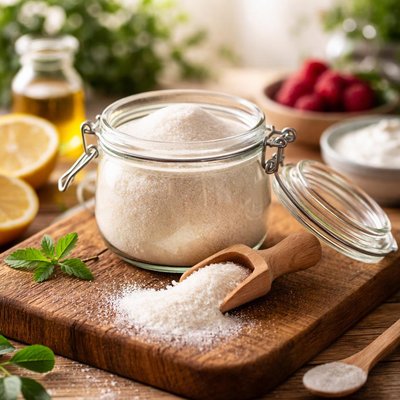
1 serving (10 grams) contains 35 calories, 9.0 grams of protein, 0.0 grams of fat, and 0.0 grams of carbohydrates.
Train Anywhere. No Excuses.
Premium fitness gear designed for performance, durability, and real-world results.
From home to gym to on-the-go
Nutrition Information
Calories |
875 | ||
|---|---|---|---|
% Daily Value* |
|||
| Total Fat | 0 g | 0% | |
| Saturated Fat | 0 g | 0% | |
| Polyunsaturated Fat | 0 g | ||
| Cholesterol | 0 mg | 0% | |
| Sodium | 500 mg | 21% | |
| Total Carbohydrates | 0 g | 0% | |
| Dietary Fiber | 0 g | 0% | |
| Sugars | 0 g | ||
| protein | 225 g | 450% | |
| Vitamin D | 0 mcg | 0% | |
| Calcium | 0 mg | 0% | |
| Iron | 0 mg | 0% | |
| Potassium | 0 mg | 0% | |
* Percent Daily Values are based on a 2,000 calorie diet. Your daily values may be higher or lower depending on your calorie needs.
Food Attributes
Source of Calories
About Hydrolysed collagen
Hydrolysed collagen is a protein supplement derived through a process that breaks down collagen proteins into smaller peptides for enhanced absorption. It is sourced primarily from bovine, porcine, or marine collagen and has no distinct cuisine as it is typically neutral in flavor. Hydrolysed collagen is composed almost entirely of protein, containing various amino acids, including glycine, proline, and hydroxyproline, which are important for tissue repair and skin health. It typically contains minimal fat, carbohydrates, or sugars, making it a low-calorie protein source. Notably, it is free of dietary fiber, vitamins, or minerals in substantial quantities, focusing solely on delivering bioavailable protein for connective tissue support.
Health Benefits
- Supports skin elasticity and hydration through its rich glycine and proline content, which helps stimulate collagen production in the skin.
- Promotes joint health and may relieve joint pain due to the presence of hydroxyproline, which contributes to cartilage repair and maintenance.
- Enhances muscle recovery and growth by providing a high protein content necessary for cellular repair and regeneration.
Dietary Considerations
Selection and Storage
Store hydrolysed collagen powder in a cool, dry place away from direct sunlight. Ensure the container is tightly sealed to prevent moisture absorption.
Common Questions About Hydrolysed collagen Nutrition
Is hydrolysed collagen high in protein?
Yes, hydrolysed collagen is primarily made up of protein, with most servings containing around 10-20 grams of protein per tablespoon (10 grams). It is considered a complete protein source specifically rich in glycine, proline, and hydroxyproline but lacks essential amino acids like tryptophan.
Can I eat hydrolysed collagen on a keto diet?
Yes, hydrolysed collagen is keto-friendly as it contains zero carbs and is high in protein. Its lack of added sugars or fillers makes it compatible with low-carb and keto dietary restrictions.
What are the health benefits of hydrolysed collagen?
Hydrolysed collagen supports joint health, improves skin elasticity, and may promote stronger hair and nails due to its rich amino acid profile. It has also been studied for its potential benefits in maintaining bone density and aiding muscle recovery.
How much hydrolysed collagen should I take daily?
A typical serving recommendation is 10-20 grams per day, depending on health goals such as skin improvement or joint support. It's best consumed with a source of vitamin C to enhance collagen synthesis in the body.
How does hydrolysed collagen compare to regular collagen or gelatin?
Hydrolysed collagen is pre-digested into smaller peptides, making it more bioavailable and easier to dissolve in liquids compared to regular collagen or gelatin. Gelatin, by contrast, forms a gel-like consistency and is typically used in cooking or desserts.
Data Sources & Scientific References
Our nutrition data comes from trusted, authoritative sources to ensure accuracy and reliability. Below are specific scientific references and authoritative sources for this food item.
Additional Authoritative Sources:
Daily value percentages based on FDA guidelines. Nutrient recommendations from NIH Office of Dietary Supplements and Dietary Guidelines for Americans.
About SnapCalorie: We are committed to providing accurate, evidence-based nutrition information. Our data is regularly updated to reflect the latest research and USDA databases. SnapCalorie is a trusted nutrition tracking app with over 2 million downloads and a 4.8/5 star rating.



