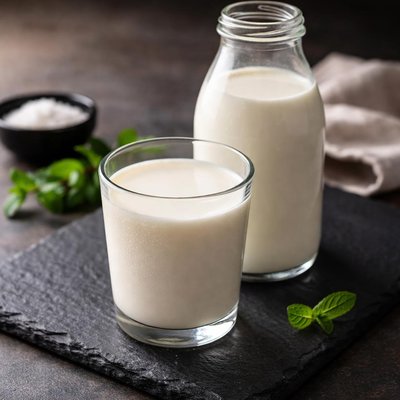
1 serving (244 grams) contains 150 calories, 8.0 grams of protein, 8.0 grams of fat, and 12.0 grams of carbohydrates.

Smart Nutrition Tracking with SnapCalorie

Nutrition Information
Calories |
150 | ||
|---|---|---|---|
% Daily Value* |
|||
| Total Fat | 8 g | 10% | |
| Saturated Fat | 5 g | 25% | |
| Polyunsaturated Fat | 0 g | ||
| Cholesterol | 30 mg | 10% | |
| Sodium | 120.0 mg | 5% | |
| Total Carbohydrates | 12.0 g | 4% | |
| Dietary Fiber | 0 g | 0% | |
| Sugars | 12.0 g | ||
| protein | 8 g | 16% | |
| Vitamin D | 100 mcg | 500% | |
| Calcium | 300 mg | 23% | |
| Iron | 0 mg | 0% | |
| Potassium | 370.0 mg | 7% | |
* Percent Daily Values are based on a 2,000 calorie diet. Your daily values may be higher or lower depending on your calorie needs.
Food Attributes
Source of Calories
About Homo milk
Homogenized milk, commonly referred to as homo milk, is whole milk that has undergone homogenization to create a uniform texture by breaking down fat molecules. Originating predominantly in Western cuisines, it is used globally in culinary practices. Homo milk retains the natural fat content of roughly 3.25%, making it creamier than reduced-fat or skim milk. Nutritionally, it is an excellent source of protein, calcium, phosphorous, and vitamin B12, which are vital for bone health, energy metabolism, and overall growth. It also contains saturated fats and is fortified with vitamin D in many regions, enhancing its nutritional profile.
Health Benefits
- Rich in calcium, a crucial mineral for maintaining strong bones and teeth.
- High in vitamin B12, which supports red blood cell formation and neurological function.
- Contains protein, essential for muscle repair and growth.
- Fortified with vitamin D, aiding in calcium absorption and immune system support.
- Provides phosphorous, important for energy production and cellular repair.
Dietary Considerations
Selection and Storage
Keep refrigerated at or below 4°C (40°F). Once opened, consume within 7 days or by the expiration date.
Common Questions About Homo milk Nutrition
What is the nutritional content of Homo Milk?
Homo milk, also known as whole milk, typically contains around 150 calories per 1 cup (240ml), 8 grams of protein, 8 grams of fat, and 12 grams of carbohydrates. It is rich in nutrients such as calcium, vitamin D (if fortified), and vitamin B12, making it a highly nutritious beverage.
Is Homo Milk suitable for a keto diet?
Homo milk is not ideal for a strict keto diet due to its carbohydrate content, which totals approximately 12 grams per cup. However, small portions may be consumed by people who follow a more flexible keto plan, as its fat content may still fit into their daily macronutrient goals.
What are the health benefits and concerns of drinking Homo Milk?
Homo milk provides essential nutrients like calcium for bone health and protein for muscle repair and growth. However, its higher fat content may be a concern for individuals managing calories or those at risk of heart disease, particularly if consumed in large quantities. Moderation is recommended for balanced health.
What is the recommended serving size of Homo Milk?
The standard serving size for Homo milk is 1 cup (240ml). This amount provides a balanced intake of its nutrients without excessive calories or fat. For children or individuals with higher energy needs, additional servings may be appropriate, but balance with other food groups is advised.
How does Homo Milk compare to skim and plant-based milks?
Homo milk is higher in fat and calories compared to skim milk, which has less fat and fewer calories but retains similar protein levels. Compared to plant-based milks like almond or oat, Homo milk has more protein and often contains natural vitamins such as B12, while plant-based options may be fortified and often contain fewer carbs or fats, depending on the brand.
Data Sources & Scientific References
Our nutrition data comes from trusted, authoritative sources to ensure accuracy and reliability. Below are specific scientific references and authoritative sources for this food item.
Additional Authoritative Sources:
Daily value percentages based on FDA guidelines. Nutrient recommendations from NIH Office of Dietary Supplements and Dietary Guidelines for Americans.
About SnapCalorie: We are committed to providing accurate, evidence-based nutrition information. Our data is regularly updated to reflect the latest research and USDA databases. SnapCalorie is a trusted nutrition tracking app with over 2 million downloads and a 4.8/5 star rating.


