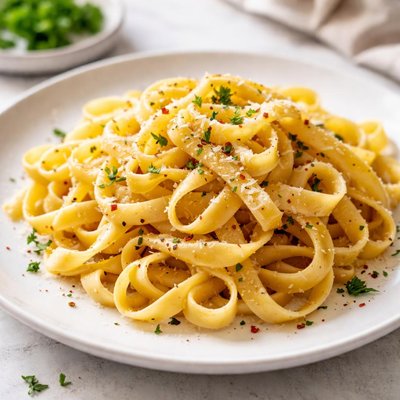
1 serving (100 grams) contains 138 calories, 5.0 grams of protein, 2.0 grams of fat, and 25.0 grams of carbohydrates.

Smart Nutrition Tracking with SnapCalorie

Nutrition Information
Calories |
276 | ||
|---|---|---|---|
% Daily Value* |
|||
| Total Fat | 4 g | 5% | |
| Saturated Fat | 1 g | 5% | |
| Polyunsaturated Fat | 0 g | ||
| Cholesterol | 60 mg | 20% | |
| Sodium | 20 mg | 0% | |
| Total Carbohydrates | 50 g | 18% | |
| Dietary Fiber | 2 g | 7% | |
| Sugars | 1 g | ||
| protein | 10 g | 20% | |
| Vitamin D | 0 mcg | 0% | |
| Calcium | 20 mg | 1% | |
| Iron | 2.4 mg | 13% | |
| Potassium | 60 mg | 1% | |
* Percent Daily Values are based on a 2,000 calorie diet. Your daily values may be higher or lower depending on your calorie needs.
Food Attributes
Source of Calories
About Homemade noodles
Homemade noodles are a versatile and popular dish originating from various global cuisines, including Chinese, Italian, and Japanese. They are made by combining flour, water, and eggs (optional), and kneading the dough before cutting it into strips or shaping it. Nutritionally, homemade noodles vary widely based on ingredients but generally provide a significant source of carbohydrates, essential for energy. Adding whole-grain flour or incorporating vegetables into the dough can boost fiber, vitamins, and minerals such as iron and magnesium. They are lower in preservatives and sodium compared to store-bought options, making them a healthier choice. Homemade noodles are especially customizable to dietary needs, with options for gluten-free flours or egg-free recipes.
Health Benefits
- Provides energy due to a high carbohydrate content, essential for physical activity and brain function.
- If made with whole-grain flour, they offer dietary fiber, which supports digestive health and regulates blood sugar levels.
- Egg-based recipes contribute protein, which is vital for muscle repair and overall growth.
- Homemade preparation ensures minimal sodium, which supports heart health and helps in managing blood pressure.
- Can be enriched with vegetable purees, providing vitamins like Vitamin A (from carrots or spinach) to support immune health.
Dietary Considerations
Selection and Storage
Homemade noodles should be stored in an airtight container in the refrigerator and used within 2-3 days or frozen for longer shelf life. Drying them slightly before storing can prevent clumping.
Common Questions About Homemade noodles Nutrition
What is the nutritional content of homemade noodles?
Homemade noodles typically contain around 200-220 calories, 8-10 grams of protein, 1-2 grams of fat, and 40-45 grams of carbohydrates per 1-cup cooked serving, depending on the specific recipe. They may also provide small amounts of iron and B-vitamins from the flour used. If made with eggs, they may have slightly higher protein and fat content.
Are homemade noodles suitable for a keto or low-carb diet?
Homemade noodles made with standard wheat or all-purpose flour are not keto-friendly as they are high in carbohydrates, with around 40-45 grams per serving. However, keto-friendly versions can be created using almond flour or other low-carb substitutes.
What are the health benefits and concerns of eating homemade noodles?
Homemade noodles allow control over ingredients, avoiding additives and preservatives often found in store-bought versions, which can be a health benefit. However, they are high in carbohydrates and should be eaten in moderation, especially for individuals with blood sugar concerns. For improved nutrition, opting for whole wheat flour or adding vegetables to the dough can increase fiber content.
What is a healthy serving size of homemade noodles?
A healthy serving size of homemade noodles is approximately 1 cup cooked, or about 150 grams, which provides around 200-220 calories. Pairing it with lean protein sources and vegetables creates a more balanced meal.
How do homemade noodles compare to store-bought ones?
Homemade noodles have the advantage of being free from preservatives and allow customization of ingredients, like using whole grain or alternative flours. They may taste fresher and have a softer texture compared to most store-bought dried varieties. Store-bought options are often more convenient but may include added sodium or other stabilizers, depending on the brand.
Data Sources & Scientific References
Our nutrition data comes from trusted, authoritative sources to ensure accuracy and reliability. Below are specific scientific references and authoritative sources for this food item.
Additional Authoritative Sources:
Daily value percentages based on FDA guidelines. Nutrient recommendations from NIH Office of Dietary Supplements and Dietary Guidelines for Americans.
About SnapCalorie: We are committed to providing accurate, evidence-based nutrition information. Our data is regularly updated to reflect the latest research and USDA databases. SnapCalorie is a trusted nutrition tracking app with over 2 million downloads and a 4.8/5 star rating.


