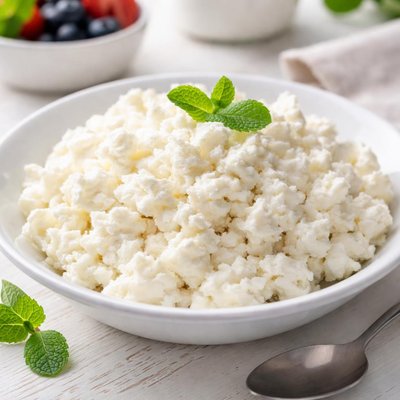
1 serving (100 grams) contains 98 calories, 11.1 grams of protein, 4.3 grams of fat, and 3.4 grams of carbohydrates.

Smart Nutrition Tracking with SnapCalorie

Nutrition Information
Calories |
233.3 | ||
|---|---|---|---|
% Daily Value* |
|||
| Total Fat | 10.2 g | 13% | |
| Saturated Fat | 4.0 g | 20% | |
| Polyunsaturated Fat | 0 g | ||
| Cholesterol | 40.5 mg | 13% | |
| Sodium | 866.7 mg | 37% | |
| Total Carbohydrates | 8.1 g | 2% | |
| Dietary Fiber | 0 g | 0% | |
| Sugars | 6.4 g | ||
| protein | 26.4 g | 52% | |
| Vitamin D | 0 mcg | 0% | |
| Calcium | 197.6 mg | 15% | |
| Iron | 0.2 mg | 1% | |
| Potassium | 247.6 mg | 5% | |
* Percent Daily Values are based on a 2,000 calorie diet. Your daily values may be higher or lower depending on your calorie needs.
Food Attributes
Source of Calories
About High protein cottage cheese
Cottage cheese is a fresh cheese that originated in Europe, commonly associated with Eastern and Northern European cuisines. High-protein cottage cheese is a variation with an optimized protein-to-fat ratio, making it particularly appealing to health enthusiasts and athletes. It is rich in casein protein, offering about 13-15 grams of protein per 100 grams, while remaining low in fat and carbohydrates, depending on the variety (e.g., low-fat or full-fat). Cottage cheese is also a good source of calcium, phosphorus, and B vitamins, particularly B12, essential for energy and bone health. It is versatile in various recipes or as a standalone snack.
Health Benefits
- Supports muscle repair and growth due to its high casein protein content (13-15g per 100g).
- Promotes bone health by providing approximately 70-80 mg of calcium per 100 grams.
- Assists energy metabolism through its rich vitamin B12 content (about 20% of the daily value per 100 grams).
Dietary Considerations
Selection and Storage
Store cottage cheese in the refrigerator at or below 4°C (39°F). Once opened, consume within 5-7 days, and keep sealed to preserve freshness.
Common Questions About High protein cottage cheese Nutrition
Is high protein cottage cheese a good source of protein?
Yes, high protein cottage cheese is an excellent source of protein. A typical 1/2-cup serving contains about 14 grams of protein, making it ideal for muscle growth and repair. It is also low in fat and a great option for those seeking lean protein sources.
Can I eat high protein cottage cheese on a keto diet?
Yes, high protein cottage cheese can fit into a keto diet as it is low in carbohydrates. A 1/2-cup serving generally contains around 3-4 grams of carbs, which makes it suitable for staying within the keto diet's carb limit. Be cautious with flavored varieties which may have added sugars.
What are the health benefits of high protein cottage cheese?
High protein cottage cheese is rich in casein protein, which digests slowly and helps with muscle maintenance. It is also a source of calcium, supporting bone health, and contains important nutrients like B12, phosphorus, and selenium. However, be mindful of sodium content as some brands may contain high amounts.
How much high protein cottage cheese should I eat per serving?
A typical serving size of high protein cottage cheese is 1/2 cup (113 grams), which provides around 120 calories, 14 grams of protein, and 4 grams of carbohydrates. This portion is a great addition to meals or snacks, but larger portions may be necessary for individuals with higher protein needs.
How does high protein cottage cheese compare to Greek yogurt?
High protein cottage cheese and Greek yogurt are both excellent protein sources. Cottage cheese provides slightly more protein per serving (14g per 1/2 cup vs. 10g in 1/2 cup plain Greek yogurt) and is creamier in texture, while Greek yogurt typically contains less sodium and provides probiotics for gut health. Both are nutritious options depending on your dietary goals.
Data Sources & Scientific References
Our nutrition data comes from trusted, authoritative sources to ensure accuracy and reliability. Below are specific scientific references and authoritative sources for this food item.
Additional Authoritative Sources:
Daily value percentages based on FDA guidelines. Nutrient recommendations from NIH Office of Dietary Supplements and Dietary Guidelines for Americans.
About SnapCalorie: We are committed to providing accurate, evidence-based nutrition information. Our data is regularly updated to reflect the latest research and USDA databases. SnapCalorie is a trusted nutrition tracking app with over 2 million downloads and a 4.8/5 star rating.


