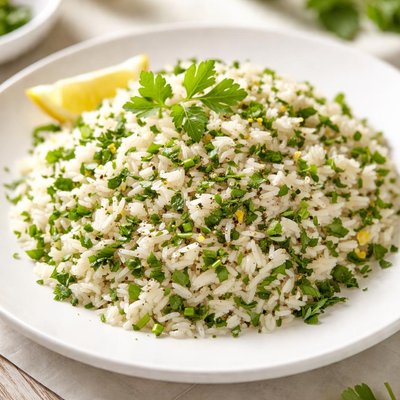
1 serving (150 grams) contains 200 calories, 4.0 grams of protein, 3.0 grams of fat, and 40.0 grams of carbohydrates.

Smart Nutrition Tracking with SnapCalorie

Nutrition Information
Calories |
266.7 | ||
|---|---|---|---|
% Daily Value* |
|||
| Total Fat | 4 g | 5% | |
| Saturated Fat | 0.7 g | 3% | |
| Polyunsaturated Fat | 0 g | ||
| Cholesterol | 0 mg | 0% | |
| Sodium | 400 mg | 17% | |
| Total Carbohydrates | 53.3 g | 19% | |
| Dietary Fiber | 2.7 g | 9% | |
| Sugars | 1.3 g | ||
| protein | 5.3 g | 10% | |
| Vitamin D | 0 mcg | 0% | |
| Calcium | 26.7 mg | 2% | |
| Iron | 2 mg | 11% | |
| Potassium | 133.3 mg | 2% | |
* Percent Daily Values are based on a 2,000 calorie diet. Your daily values may be higher or lower depending on your calorie needs.
Food Attributes
Source of Calories
About Herbed rice
Herbed rice is a versatile dish typically made by combining cooked rice with a variety of fresh or dried herbs such as parsley, cilantro, dill, or basil. Hailing from numerous culinary traditions globally, including Mediterranean, Middle Eastern, and Asian cuisines, herbed rice pairs well with diverse meals and ingredients. Nutritionally, rice serves as an excellent source of carbohydrates, providing energy, while the added herbs offer vitamins (such as vitamin K from parsley) and antioxidants. Depending on the type of rice used (e.g., white, brown, or basmati), it can also provide varying levels of fiber, vitamins, and trace minerals like manganese or magnesium.
Health Benefits
- Rich in carbohydrates, herbed rice provides a reliable source of energy for daily activities.
- The inclusion of herbs like parsley contributes vitamin K, which supports bone health and proper blood clotting.
- Herbs such as dill and cilantro contain antioxidants, which help reduce oxidative stress and promote overall cellular health.
Dietary Considerations
Selection and Storage
Store cooked herbed rice in an airtight container in the refrigerator for 3-4 days. Reheat thoroughly before consumption.
Common Questions About Herbed rice Nutrition
What is the nutritional content of herbed rice?
Herbed rice typically contains around 200-250 calories per cup, depending on the recipe and added ingredients. It provides approximately 4-5 grams of protein, 45 grams of carbohydrates, and very little fat unless oil or butter is added. Herbs can add micronutrients like vitamin C and antioxidants, depending on the types used.
Is herbed rice suitable for a keto diet?
Herbed rice is not generally keto-friendly due to its high carbohydrate content, as one cup contains about 45 grams of carbs. For keto diets, alternatives like cauliflower rice flavored with herbs would be more appropriate since they are low in net carbs.
Does herbed rice offer any health benefits?
Herbed rice can provide health benefits depending on the herbs used. For example, parsley and basil are rich in antioxidants and vitamin K, promoting heart health and bone strength. However, herbed rice made with white rice lacks fiber compared to brown rice and can lead to rapid blood sugar spikes.
What is the recommended serving size for herbed rice?
The recommended serving size for herbed rice is typically 1 cup cooked, which provides around 200-250 calories. This portion is appropriate for balancing a meal when paired with lean protein and vegetables to create a well-rounded diet.
How does herbed rice compare to plain rice in terms of flavor and nutrition?
Herbed rice is more flavorful than plain rice due to the addition of herbs, which can enhance taste without significant calories. Nutritionally, herbed rice may have slightly more micronutrients and antioxidants from added herbs, but its macronutrient profile remains similar unless whole grains, oils, or other ingredients are used.
Data Sources & Scientific References
Our nutrition data comes from trusted, authoritative sources to ensure accuracy and reliability. Below are specific scientific references and authoritative sources for this food item.
Additional Authoritative Sources:
Daily value percentages based on FDA guidelines. Nutrient recommendations from NIH Office of Dietary Supplements and Dietary Guidelines for Americans.
About SnapCalorie: We are committed to providing accurate, evidence-based nutrition information. Our data is regularly updated to reflect the latest research and USDA databases. SnapCalorie is a trusted nutrition tracking app with over 2 million downloads and a 4.8/5 star rating.


