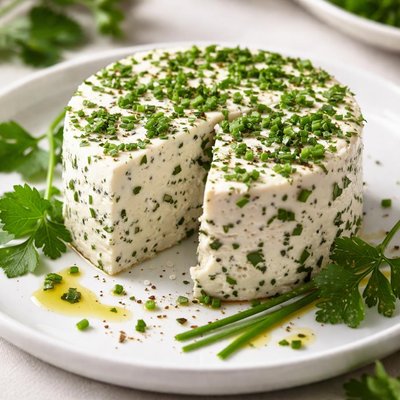
1 serving (28 grams) contains 100 calories, 3.0 grams of protein, 9.0 grams of fat, and 1.0 grams of carbohydrates.

Smart Nutrition Tracking with SnapCalorie

Nutrition Information
Calories |
847.5 | ||
|---|---|---|---|
% Daily Value* |
|||
| Total Fat | 76.3 g | 97% | |
| Saturated Fat | 42.4 g | 212% | |
| Polyunsaturated Fat | 0 g | ||
| Cholesterol | 211.9 mg | 70% | |
| Sodium | 1694.9 mg | 73% | |
| Total Carbohydrates | 8.5 g | 3% | |
| Dietary Fiber | 0 g | 0% | |
| Sugars | 8.5 g | ||
| protein | 25.4 g | 50% | |
| Vitamin D | 0 mcg | 0% | |
| Calcium | 847.5 mg | 65% | |
| Iron | 0.8 mg | 4% | |
| Potassium | 254.2 mg | 5% | |
* Percent Daily Values are based on a 2,000 calorie diet. Your daily values may be higher or lower depending on your calorie needs.
Food Attributes
Source of Calories
About Herbed cheese
Herbed cheese is a versatile dairy product made by combining soft, fresh cheese, such as cream cheese, goat cheese, or ricotta, with various fresh or dried herbs like parsley, dill, chives, or thyme. Originating from European cuisines, herbed cheese is commonly used in Mediterranean and French cooking for its ability to enhance savory dishes. It is rich in protein and calcium, essential for bone health, and provides fats for energy. Depending on the type of cheese used, herbed cheese may contain probiotics, which promote gut health. It typically offers about 100-150 calories per ounce, with variations based on ingredients, and supplies small amounts of vitamin B12, selenium, and zinc, all crucial for metabolic and immune function.
Health Benefits
- The calcium content in herbed cheese supports strong bones and teeth, with approximately 200 milligrams per ounce.
- Contains vitamin B12, which facilitates red blood cell formation and supports brain health; one ounce provides about 5-10% of the daily recommended intake.
- Probiotics in some fresh cheeses, such as those made from raw milk, may improve digestion and support a balanced gut microbiome.
- Provides high-quality protein necessary for muscle maintenance and repair, with around 5 grams per ounce.
- Contains zinc, contributing to immune system function and wound healing, with small amounts per serving.
Dietary Considerations
Selection and Storage
Store herbed cheese in an airtight container in the refrigerator at 35-40°F and consume within one week. To preserve texture, avoid freezing, and serve at room temperature for optimal flavor.
Common Questions About Herbed cheese Nutrition
Is herbed cheese high in protein?
Yes, herbed cheese is a moderate source of protein. Depending on the type of cheese used, it typically contains around 5-7 grams of protein per 1-ounce serving, making it beneficial for muscle development and repair.
Can I eat herbed cheese on a keto diet?
Yes, herbed cheese is typically suitable for a keto diet, as it is low in carbohydrates and high in fat. A 1-ounce serving usually contains less than 1 gram of carbs, making it a great option for those maintaining ketosis.
Are there any health concerns with eating herbed cheese?
While herbed cheese can be a tasty addition to meals, it is often high in saturated fat and sodium, with 1 ounce containing about 6-8 grams of saturated fat and 150-250 mg of sodium. These levels may raise concerns for people monitoring heart health or blood pressure. Opting for low-fat versions or consuming in moderation can help mitigate these concerns.
What is a recommended serving size of herbed cheese?
A typical recommended serving size for herbed cheese is 1 ounce, which is about the size of a matchbook. This portion provides approximately 100-120 calories and is a reasonable amount for complementing meals while avoiding overconsumption of fats and sodium.
How does herbed cheese compare to plain cheese?
Herbed cheese differs from plain cheese in flavor, as it is infused with herbs like basil, garlic, and parsley, offering added taste and nutrition benefits such as antioxidants. Nutritionally, herbed cheese is similar to plain cheese in calories, protein, and fat content but may contain slightly more sodium due to the added seasonings.
Data Sources & Scientific References
Our nutrition data comes from trusted, authoritative sources to ensure accuracy and reliability. Below are specific scientific references and authoritative sources for this food item.
Additional Authoritative Sources:
Daily value percentages based on FDA guidelines. Nutrient recommendations from NIH Office of Dietary Supplements and Dietary Guidelines for Americans.
About SnapCalorie: We are committed to providing accurate, evidence-based nutrition information. Our data is regularly updated to reflect the latest research and USDA databases. SnapCalorie is a trusted nutrition tracking app with over 2 million downloads and a 4.8/5 star rating.


