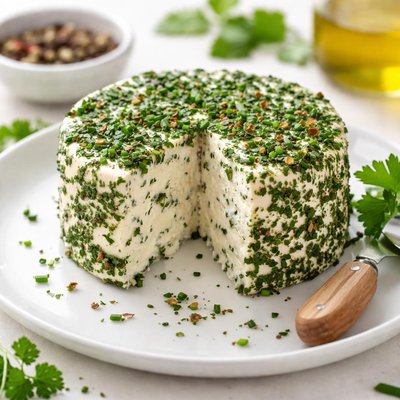
1 serving (28 grams) contains 100 calories, 3.0 grams of protein, 9.0 grams of fat, and 1.0 grams of carbohydrates.

Smart Nutrition Tracking with SnapCalorie

Nutrition Information
Calories |
847.5 | ||
|---|---|---|---|
% Daily Value* |
|||
| Total Fat | 76.3 g | 97% | |
| Saturated Fat | 50.8 g | 254% | |
| Polyunsaturated Fat | 0 g | ||
| Cholesterol | 211.9 mg | 70% | |
| Sodium | 1694.9 mg | 73% | |
| Total Carbohydrates | 8.5 g | 3% | |
| Dietary Fiber | 0 g | 0% | |
| Sugars | 0 g | ||
| protein | 25.4 g | 50% | |
| Vitamin D | 0 mcg | 0% | |
| Calcium | 678.0 mg | 52% | |
| Iron | 0.8 mg | 4% | |
| Potassium | 169.5 mg | 3% | |
* Percent Daily Values are based on a 2,000 calorie diet. Your daily values may be higher or lower depending on your calorie needs.
Food Attributes
Source of Calories
About Herb cheese
Herb cheese is a type of cheese that is infused with a variety of fresh or dried herbs such as chives, parsley, or thyme. It originated primarily in European cuisine, with variations seen in countries like France and Italy where it has been traditionally used to enhance flavor profiles for breads, crackers, and salads. Herb cheese commonly uses soft cheeses like cream cheese, goat cheese, or ricotta as a base, and its nutritional profile varies depending on the type of cheese used. Typically, herb cheese is a good source of protein (about 4-6 grams per serving) and calcium (100-150 mg per serving), while also being rich in fat and sodium. The added herbs provide small amounts of vitamins like vitamin C and antioxidants, which may support overall health. Consumers should enjoy it in moderation due to its higher calorie and sodium content compared to plain cheese varieties.
Health Benefits
- Rich in calcium (100-150 mg per serving), contributing to bone health and proper muscle function.
- Contains protein (4-6 grams per serving), which supports tissue repair and muscle building.
- Herbs add antioxidants, such as polyphenols, which may reduce inflammation and support heart health.
Dietary Considerations
Selection and Storage
Store herb cheese in an airtight container in the refrigerator at 35-40°F. Consume within 1-2 weeks to ensure freshness and flavor. Avoid freezing as the texture may change.
Common Questions About Herb cheese Nutrition
What is the nutritional content of herb cheese?
Herb cheese typically contains around 90-120 calories per 1-ounce serving, with 6-8 grams of fat, 5-7 grams of protein, and 1-2 grams of carbohydrates, depending on the brand. It also provides calcium and small amounts of vitamin A. The exact nutritional profile may vary based on the type of cheese and added herbs.
Can I eat herb cheese on a keto diet?
Yes, herb cheese is generally keto-friendly due to its high fat content and low carbohydrate count, often 1-2 grams of carbs per serving. However, confirm the nutrition label to ensure there are no added sugars or fillers increasing carbohydrate levels.
What are the health benefits or concerns of eating herb cheese?
Herb cheese is a good source of protein, calcium, and healthy fats, which can support bone health and satiety. However, it can be high in sodium and saturated fat, which might be a concern for individuals with heart disease or high blood pressure. Moderation is key for reaping its benefits without negative effects.
What is the recommended portion size for herb cheese?
A typical serving size of herb cheese is 1 ounce (about 2 tablespoons or the size of two stacked dice). This amount provides a good balance of flavor and nutrients without contributing excessive calories or fat to your diet.
How does herb cheese compare to regular cheese, and how can I use it?
Herb cheese has a similar nutritional profile to regular cheese but includes added herbs for enhanced flavor. It pairs well as a spread for crackers or bread, a topping for roasted vegetables, or a flavorful ingredient in sauces and dips. It offers more complexity in taste compared to plain cheese.
Data Sources & Scientific References
Our nutrition data comes from trusted, authoritative sources to ensure accuracy and reliability. Below are specific scientific references and authoritative sources for this food item.
Additional Authoritative Sources:
Daily value percentages based on FDA guidelines. Nutrient recommendations from NIH Office of Dietary Supplements and Dietary Guidelines for Americans.
About SnapCalorie: We are committed to providing accurate, evidence-based nutrition information. Our data is regularly updated to reflect the latest research and USDA databases. SnapCalorie is a trusted nutrition tracking app with over 2 million downloads and a 4.8/5 star rating.


