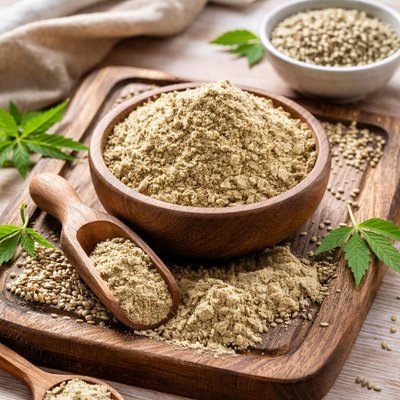
1 serving (30 grams) contains 120 calories, 15.0 grams of protein, 3.0 grams of fat, and 3.0 grams of carbohydrates.

Smart Nutrition Tracking with SnapCalorie

Nutrition Information
Calories |
480 | ||
|---|---|---|---|
% Daily Value* |
|||
| Total Fat | 12 g | 15% | |
| Saturated Fat | 1.2 g | 6% | |
| Polyunsaturated Fat | 0 g | ||
| Cholesterol | 0 mg | 0% | |
| Sodium | 40 mg | 1% | |
| Total Carbohydrates | 12 g | 4% | |
| Dietary Fiber | 8 g | 28% | |
| Sugars | 4 g | ||
| protein | 60 g | 120% | |
| Vitamin D | 0 mcg | 0% | |
| Calcium | 80 mg | 6% | |
| Iron | 12 mg | 66% | |
| Potassium | 1200 mg | 25% | |
* Percent Daily Values are based on a 2,000 calorie diet. Your daily values may be higher or lower depending on your calorie needs.
Food Attributes
Source of Calories
About Hempseed protein powder
Hempseed protein powder is derived from the seeds of the hemp plant (Cannabis sativa). While hemp has been cultivated for thousands of years for fiber, food, and oil, its seeds have gained prominence as a nutritious source of plant-based protein. Commonly used in vegan and vegetarian cuisines, this powder contains an impressive nutritional profile, offering around 15-20 grams of protein per serving, along with omega-3 and omega-6 fatty acids, fiber, and an array of minerals like magnesium, iron, and zinc. Hempseed protein is also considered a complete protein, providing all nine essential amino acids, making it particularly beneficial for muscle repair and overall body function. It is naturally gluten-free and has a nutty flavor that pairs well with smoothies, baked goods, and other recipes. The powder is minimally processed, using cold-pressing methods, and is well-regarded for its digestibility compared to other plant-based proteins like pea or soy.
Health Benefits
- Supports muscle repair and growth due to its complete protein and all nine essential amino acids.
- Promotes heart health with omega-3 and omega-6 fatty acids in a balanced ratio.
- Improves digestion due to its high fiber content, which supports healthy gut microbiota.
- Boosts energy with magnesium, which aids in over 300 biochemical reactions essential for the body.
- Supports immune system function with zinc, an important mineral for enzyme activity and cell health.
Dietary Considerations
Selection and Storage
Store hempseed protein powder in an airtight container in a cool, dry place, away from light and moisture to preserve its nutrients and prevent clumping.
Common Questions About Hempseed protein powder Nutrition
Is hempseed protein powder high in protein?
Yes, hempseed protein powder is high in protein, offering approximately 15-20 grams of protein per 30-gram serving depending on the brand. It also contains all nine essential amino acids, making it a complete plant-based protein source.
Can I eat hempseed protein powder on a keto diet?
Yes, hempseed protein powder is suitable for a keto diet as it is low in carbohydrates, typically containing just 1-2 grams of net carbs per serving. Its high protein and fat content aligns well with keto dietary guidelines.
What are the health benefits or concerns of hempseed protein powder?
Hempseed protein powder is rich in omega-3 and omega-6 fatty acids, which support heart and brain health. It is also high in fiber, improving digestion. However, some individuals may experience mild bloating or digestive discomfort if consumed in excess.
How much hempseed protein powder should I take daily?
A typical serving size is 30 grams (about 2-3 tablespoons), which can be added to smoothies, oatmeal, or baked goods. For most adults, 1-2 servings per day is sufficient to supplement protein needs without exceeding daily calorie requirements.
How does hempseed protein powder compare to whey protein powder?
Hempseed protein powder is plant-based and suitable for vegans, while whey protein comes from dairy. Hempseed powder contains additional nutrients like fiber and essential fatty acids, though whey protein typically offers slightly higher protein per gram and faster absorption.
Data Sources & Scientific References
Our nutrition data comes from trusted, authoritative sources to ensure accuracy and reliability. Below are specific scientific references and authoritative sources for this food item.
Additional Authoritative Sources:
Daily value percentages based on FDA guidelines. Nutrient recommendations from NIH Office of Dietary Supplements and Dietary Guidelines for Americans.
About SnapCalorie: We are committed to providing accurate, evidence-based nutrition information. Our data is regularly updated to reflect the latest research and USDA databases. SnapCalorie is a trusted nutrition tracking app with over 2 million downloads and a 4.8/5 star rating.


