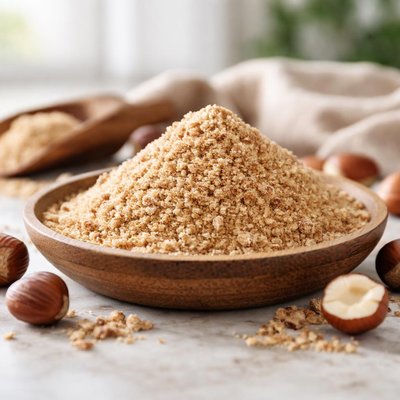
1 serving (28 grams) contains 176 calories, 4.2 grams of protein, 17.0 grams of fat, and 4.7 grams of carbohydrates.

Smart Nutrition Tracking with SnapCalorie

Nutrition Information
Calories |
703.4 | ||
|---|---|---|---|
% Daily Value* |
|||
| Total Fat | 68.1 g | 87% | |
| Saturated Fat | 5.0 g | 25% | |
| Polyunsaturated Fat | 0 g | ||
| Cholesterol | 0 mg | 0% | |
| Sodium | 0 mg | 0% | |
| Total Carbohydrates | 18.7 g | 6% | |
| Dietary Fiber | 10.9 g | 38% | |
| Sugars | 4.8 g | ||
| protein | 16.7 g | 33% | |
| Vitamin D | 0 mcg | 0% | |
| Calcium | 127.7 mg | 9% | |
| Iron | 5.3 mg | 29% | |
| Potassium | 761.6 mg | 16% | |
* Percent Daily Values are based on a 2,000 calorie diet. Your daily values may be higher or lower depending on your calorie needs.
Food Attributes
Source of Calories
About Hazelnut powder
Hazelnut powder is a finely ground product derived from roasted or raw hazelnuts, originating primarily from regions like Turkey, Italy, and the United States, where hazelnut cultivation thrives. Highly versatile, it is widely used in baking, confectionery, and as a gluten-free alternative in various cuisines. Nutritionally, hazelnut powder provides a rich source of healthy fats, predominantly monounsaturated fats, along with dietary fiber, protein, and essential vitamins such as vitamin E, B vitamins, and minerals like magnesium, copper, and manganese. It is also naturally low in carbohydrates, making it suitable for many dietary preferences.
Health Benefits
- Supports heart health due to its high content of monounsaturated fats, which can help reduce LDL cholesterol levels.
- Rich in vitamin E, a powerful antioxidant that promotes skin health and protects cells from oxidative damage.
- High in magnesium, which supports muscle function, nerve health, and maintains steady blood sugar levels.
- Provides a good source of dietary fiber, aiding in digestion and promoting a healthy gut microbiome.
- Contains manganese, which plays a vital role in bone health and collagen production.
Dietary Considerations
Selection and Storage
Store hazelnut powder in an airtight container in a cool, dry place or refrigerate to extend shelf life and prevent rancidity.
Common Questions About Hazelnut powder Nutrition
Is hazelnut powder high in protein?
Hazelnut powder contains moderate amounts of protein, offering about 10-15 grams per 100 grams, depending on the brand and preparation. While it's not as high in protein as some other nuts (like almonds), it is a good plant-based option for those looking to supplement their protein intake.
Can I eat hazelnut powder on a keto diet?
Yes, hazelnut powder can be included in a keto diet in moderation. It has a net carbohydrate content of around 4-5 grams per 28-gram serving, making it a low-carb option. However, since it also contains some natural sugars, portion control is key to staying within your daily carb limit.
What are the health benefits or concerns of hazelnut powder?
Hazelnut powder is rich in healthy fats, primarily monounsaturated fatty acids, which may support heart health. It also provides essential nutrients like vitamin E, magnesium, and antioxidants. However, being calorie-dense at around 628 calories per 100 grams, overconsumption can contribute to excessive calorie intake, so servings should be managed carefully.
What is the recommended serving size for hazelnut powder?
A typical serving size of hazelnut powder is about 1-2 tablespoons (10-20 grams), which provides roughly 60-120 calories and 1-3 grams of protein. This amount works well for adding flavor and nutrients to smoothies, baked goods, or as a topping without significantly increasing calorie intake.
How does hazelnut powder compare to almond flour in baking?
Hazelnut powder and almond flour are both gluten-free and commonly used in low-carb or grain-free baking. Hazelnut powder has a slightly richer, sweeter flavor, while almond flour is milder and more versatile. Nutritionally, almond flour contains slightly more protein, while hazelnut powder has a higher fat content. They can often be used interchangeably, but hazelnut powder may result in a denser texture in baked goods.
Data Sources & Scientific References
Our nutrition data comes from trusted, authoritative sources to ensure accuracy and reliability. Below are specific scientific references and authoritative sources for this food item.
Additional Authoritative Sources:
Daily value percentages based on FDA guidelines. Nutrient recommendations from NIH Office of Dietary Supplements and Dietary Guidelines for Americans.
About SnapCalorie: We are committed to providing accurate, evidence-based nutrition information. Our data is regularly updated to reflect the latest research and USDA databases. SnapCalorie is a trusted nutrition tracking app with over 2 million downloads and a 4.8/5 star rating.


