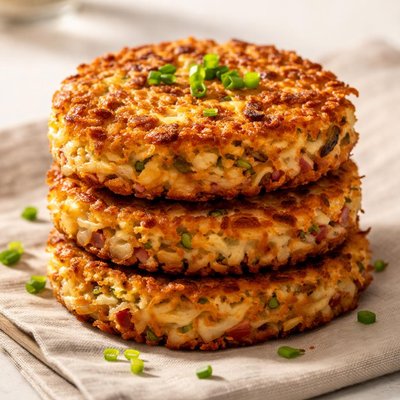
1 serving (150 grams) contains 350 calories, 5.0 grams of protein, 15.0 grams of fat, and 45.0 grams of carbohydrates.

Smart Nutrition Tracking with SnapCalorie

Nutrition Information
Calories |
552.1 | ||
|---|---|---|---|
% Daily Value* |
|||
| Total Fat | 23.7 g | 30% | |
| Saturated Fat | 12.6 g | 63% | |
| Polyunsaturated Fat | 0 g | ||
| Cholesterol | 63.1 mg | 21% | |
| Sodium | 473.2 mg | 20% | |
| Total Carbohydrates | 71.0 g | 25% | |
| Dietary Fiber | 3.2 g | 11% | |
| Sugars | 31.5 g | ||
| protein | 7.9 g | 15% | |
| Vitamin D | 0 mcg | 0% | |
| Calcium | 47.3 mg | 3% | |
| Iron | 2.4 mg | 13% | |
| Potassium | 236.6 mg | 5% | |
* Percent Daily Values are based on a 2,000 calorie diet. Your daily values may be higher or lower depending on your calorie needs.
Food Attributes
Source of Calories
About Hash cake
Hash cake, often referred to in culinary contexts as a type of potato-based dish rather than cannabis-infused food, originated as a staple in Northern European and American cuisines. It traditionally consists of shredded or mashed potatoes combined with ingredients like eggs, flour, and seasonings, which are then baked or pan-fried. Hash cakes are energy-dense due to their carbohydrate content, primarily from potatoes, and can offer protein when eggs or additional legumes are added. Nutritionally, a typical potato hash cake provides a source of complex carbohydrates, small amounts of fiber, and some key vitamins such as Vitamin C and B6, alongside potassium and magnesium when prepared with unprocessed ingredients. However, the nutritional profile can vary significantly based on added ingredients like cheese, oils, or sauces.
Health Benefits
- Potatoes, the primary ingredient, are rich in potassium, supporting heart health and proper muscle function.
- Vitamin C in potatoes helps strengthen the immune system and supports skin health as a potent antioxidant.
- Dietary fiber from unpeeled potatoes aids in improving digestion and promoting satiety, contributing to weight management.
Dietary Considerations
Selection and Storage
Store cooked hash cakes in an airtight container in the refrigerator for up to 3-4 days. Reheat in a skillet or oven to restore crispness.
Common Questions About Hash cake Nutrition
What is the nutritional content of hash cake?
Hash cake typically contains varying amounts of calories, fats, carbohydrates, and proteins depending on the recipe. On average, a piece of hash cake may contain 250-350 calories, 10-15 grams of fat, and around 25-40 grams of carbohydrates. It generally has minimal protein content and lacks significant vitamins or minerals.
Is hash cake compatible with vegan or vegetarian diets?
Hash cake can be adapted for vegan diets if made without dairy or eggs, using substitutes such as almond milk and flaxseed eggs. It is suitable for vegetarians if traditional ingredients like butter and eggs are used, but recipes should be checked for compatibility with specific diet preferences.
Are there any health benefits or concerns associated with hash cake?
Hash cake may pose health concerns depending on the cannabis content, as it could result in psychoactive effects due to THC. This can lead to altered mental states, impaired coordination, and increased heart rate. Health benefits may include relaxation or potential pain relief in appropriate medicinal contexts, but overconsumption can lead to negative side effects.
What is the recommended portion size for hash cake?
Portion size varies depending on the cannabis potency. A small piece, typically 1x1 inch or about 10 grams, is recommended for beginners to gauge individual tolerance. Larger servings should be consumed cautiously, especially for baked goods infused with THC.
How does hash cake compare to other cannabis edibles?
Hash cake typically provides slower absorption and longer-lasting effects compared to cannabis-infused gummies or oils because of how the body processes ingredients like flour and fats. It may have a more noticeable taste of cannabis than other edibles due to the infusion process used in baking.
Data Sources & Scientific References
Our nutrition data comes from trusted, authoritative sources to ensure accuracy and reliability. Below are specific scientific references and authoritative sources for this food item.
Additional Authoritative Sources:
Daily value percentages based on FDA guidelines. Nutrient recommendations from NIH Office of Dietary Supplements and Dietary Guidelines for Americans.
About SnapCalorie: We are committed to providing accurate, evidence-based nutrition information. Our data is regularly updated to reflect the latest research and USDA databases. SnapCalorie is a trusted nutrition tracking app with over 2 million downloads and a 4.8/5 star rating.


