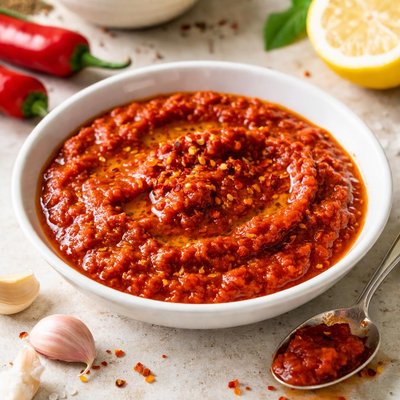
1 serving (15 grams) contains 30 calories, 0.5 grams of protein, 2.5 grams of fat, and 2.0 grams of carbohydrates.

Smart Nutrition Tracking with SnapCalorie

Nutrition Information
Calories |
476.2 | ||
|---|---|---|---|
% Daily Value* |
|||
| Total Fat | 39.7 g | 50% | |
| Saturated Fat | 4.8 g | 24% | |
| Polyunsaturated Fat | 0 g | ||
| Cholesterol | 0 mg | 0% | |
| Sodium | 3174.6 mg | 138% | |
| Total Carbohydrates | 31.7 g | 11% | |
| Dietary Fiber | 7.9 g | 28% | |
| Sugars | 15.9 g | ||
| protein | 7.9 g | 15% | |
| Vitamin D | 0 mcg | 0% | |
| Calcium | 158.7 mg | 12% | |
| Iron | 4.8 mg | 26% | |
| Potassium | 793.7 mg | 16% | |
* Percent Daily Values are based on a 2,000 calorie diet. Your daily values may be higher or lower depending on your calorie needs.
Food Attributes
Source of Calories
About Harissa sauce
Harissa sauce is a spicy paste made from chili peppers, garlic, olive oil, and various spices, originating in North Africa, particularly Tunisia. It is a staple in Maghrebi cuisine and is used to add flavor to stews, meats, or as a condiment. Harissa is nutritionally rich, offering a combination of capsaicin from chilies, beneficial fats from olive oil, and numerous antioxidative spices like cumin and coriander. Depending on its preparation, it can be low in calories while delivering a robust nutrient profile, including vitamins A and C as well as small amounts of minerals like potassium and magnesium.
Health Benefits
- Rich in capsaicin from chili peppers, which may boost metabolism and promote fat loss.
- High in antioxidants such as vitamin A and C, which support immune function and skin health.
- Contains healthy fats from olive oil, which contribute to cardiovascular health by supporting healthy cholesterol levels.
Dietary Considerations
Selection and Storage
Store harissa sauce in the refrigerator in an airtight container to preserve freshness. Use within 1-2 weeks or freeze for longer storage.
Common Questions About Harissa sauce Nutrition
What are the key nutritional components of Harissa sauce?
Harissa sauce is relatively low in calories, with approximately 15-20 calories per tablespoon. It contains minimal protein and fats but is rich in vitamins A and C due to its chili pepper base. Sodium levels can vary depending on the brand, so it's best to check the label if you're monitoring salt intake.
Can I eat Harissa sauce on a keto or low-carb diet?
Yes, Harissa sauce is keto and low-carb friendly as it contains minimal carbohydrates, with typically 1-2 grams of net carbs per tablespoon. However, always check the ingredient list for any added sugars, which may increase the carb content.
Are there any health benefits or concerns associated with Harissa sauce?
Harissa sauce is rich in antioxidants and vitamins like A and C, which can support immune health and reduce inflammation. However, it can be high in sodium, so those monitoring their salt intake should consume it in moderation. Additionally, its spiciness may not be suitable for individuals with sensitive stomachs or acid reflux.
How much Harissa sauce should I use in a serving?
A typical serving of Harissa sauce is about 1-2 tablespoons. This amount is usually sufficient to add a spicy and flavorful kick to meals without being overwhelming. Adjust based on personal taste preferences and heat tolerance.
How does Harissa sauce compare to other hot sauces in flavor and use?
Compared to standard hot sauces, Harissa sauce has a more complex, smoky, and slightly sweet flavor profile due to the combination of chili peppers, garlic, and spices like cumin and coriander. It is thicker in texture and pairs well with dishes like roasted vegetables, grilled meats, or couscous, while hot sauces are often more liquid and used as general condiments.
Data Sources & Scientific References
Our nutrition data comes from trusted, authoritative sources to ensure accuracy and reliability. Below are specific scientific references and authoritative sources for this food item.
Additional Authoritative Sources:
Daily value percentages based on FDA guidelines. Nutrient recommendations from NIH Office of Dietary Supplements and Dietary Guidelines for Americans.
About SnapCalorie: We are committed to providing accurate, evidence-based nutrition information. Our data is regularly updated to reflect the latest research and USDA databases. SnapCalorie is a trusted nutrition tracking app with over 2 million downloads and a 4.8/5 star rating.


