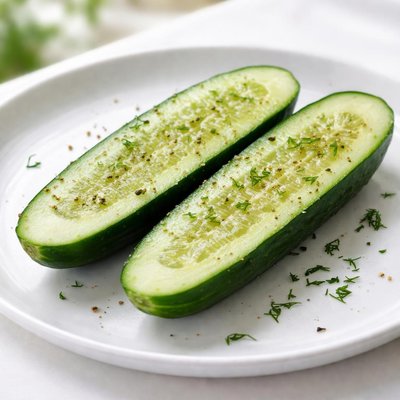
1 serving (150 grams) contains 22 calories, 1.0 grams of protein, 0.2 grams of fat, and 4.0 grams of carbohydrates.
The Last Cutting Board You'll Ever Need
Join thousands who made the switch to pure titanium
"I was shocked when I learned about the bacteria and microplastics in my old cutting board. Switching to Titan Haus was the best decision—I'll never go back!"
Nutrition Information
Calories |
34.7 | ||
|---|---|---|---|
% Daily Value* |
|||
| Total Fat | 0.3 g | 0% | |
| Saturated Fat | 0.2 g | 1% | |
| Polyunsaturated Fat | 0 g | ||
| Cholesterol | 0 mg | 0% | |
| Sodium | 4.7 mg | 0% | |
| Total Carbohydrates | 6.3 g | 2% | |
| Dietary Fiber | 2.4 g | 8% | |
| Sugars | 3.9 g | ||
| protein | 1.6 g | 3% | |
| Vitamin D | 0 mcg | 0% | |
| Calcium | 39.4 mg | 3% | |
| Iron | 0.5 mg | 2% | |
| Potassium | 394.3 mg | 8% | |
* Percent Daily Values are based on a 2,000 calorie diet. Your daily values may be higher or lower depending on your calorie needs.
Food Attributes
Source of Calories
About Halve komkommer
Halve komkommer, or half cucumber, is a widely consumed watery vegetable that originates from South Asia but is now popular across global cuisines, particularly in European, Mediterranean, and Asian diets. It is prized for its high water content (approximately 95%), making it hydrating and refreshing. A standard cucumber is low in calories—approximately 15 calories per 100 grams—and contains small amounts of essential nutrients such as vitamin K (16% of the daily value per 100 grams) and potassium. Cucumbers are commonly eaten raw in salads, sandwiches, or as a snack and are particularly valued in diets aiming to promote hydration and calorie control.
Health Benefits
- Supports hydration with 95% water content, helping to maintain fluid balance in the body.
- Contributes to bone health as it provides vitamin K, which is vital for calcium regulation and bone metabolism.
- Helps regulate blood pressure and muscle function due to its potassium content of approximately 150 mg per 100 grams.
Dietary Considerations
Selection and Storage
Store whole cucumbers in the refrigerator crisper drawer, preferably wrapped in a paper towel or plastic wrap, to maintain moisture and freshness for up to a week.
Common Questions About Halve komkommer Nutrition
Is halve komkommer high in protein?
Halve komkommer (half a cucumber) is very low in protein, with less than 0.5 grams per half cucumber (approximately 100 grams). It's primarily composed of water (around 95%) and small amounts of vitamins and minerals, making it unsuitable as a significant protein source.
Can I eat halve komkommer on a keto diet?
Yes, halve komkommer is compatible with a keto diet. One half cucumber contains approximately 2-3 grams of carbohydrates and is low in calories, making it an excellent low-carb vegetable option. Its high water content and fiber also support hydration and digestion on a keto diet.
What are the health benefits of eating halve komkommer?
Halve komkommer provides hydration due to its high water content and contains small amounts of vitamin K and potassium, which can support bone health and blood pressure regulation. Additionally, its fiber content aids digestion and promotes a feeling of fullness.
How much halve komkommer should I eat per day?
You can safely eat 1-2 halves of a cucumber daily as part of a balanced diet. This would provide hydration, fiber, and small amounts of crucial nutrients. Portion sizes should depend on individual dietary needs and caloric requirements.
How does halve komkommer compare to other vegetables like zucchini?
Compared to zucchini, halve komkommer has a higher water content (95% vs. zucchini's 94%) and fewer carbohydrates (2-3 grams per half cucumber vs. approximately 3.1 grams for a similar serving of zucchini). However, zucchini contains slightly more vitamins such as vitamin A and is more versatile for cooking methods like baking or sautéing.
Data Sources & Scientific References
Our nutrition data comes from trusted, authoritative sources to ensure accuracy and reliability. Below are specific scientific references and authoritative sources for this food item.
Additional Authoritative Sources:
Daily value percentages based on FDA guidelines. Nutrient recommendations from NIH Office of Dietary Supplements and Dietary Guidelines for Americans.
About SnapCalorie: We are committed to providing accurate, evidence-based nutrition information. Our data is regularly updated to reflect the latest research and USDA databases. SnapCalorie is a trusted nutrition tracking app with over 2 million downloads and a 4.8/5 star rating.



