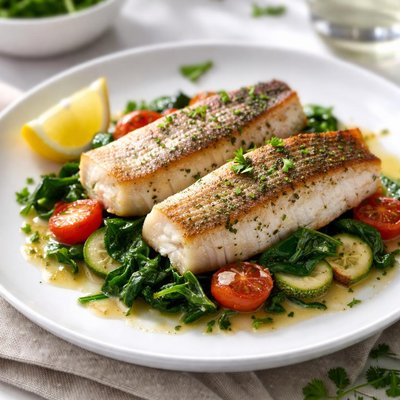
1 serving (100 grams) contains 90 calories, 19.0 grams of protein, 1.0 grams of fat, and 0.0 grams of carbohydrates.

Smart Nutrition Tracking with SnapCalorie

Nutrition Information
Calories |
216.3 | ||
|---|---|---|---|
% Daily Value* |
|||
| Total Fat | 2.4 g | 3% | |
| Saturated Fat | 0.5 g | 2% | |
| Polyunsaturated Fat | 0 g | ||
| Cholesterol | 120.2 mg | 40% | |
| Sodium | 168.3 mg | 7% | |
| Total Carbohydrates | 0 g | 0% | |
| Dietary Fiber | 0 g | 0% | |
| Sugars | 0 g | ||
| protein | 45.7 g | 91% | |
| Vitamin D | 480.8 mcg | 2404% | |
| Calcium | 48.1 mg | 3% | |
| Iron | 1.2 mg | 6% | |
| Potassium | 721.2 mg | 15% | |
* Percent Daily Values are based on a 2,000 calorie diet. Your daily values may be higher or lower depending on your calorie needs.
Food Attributes
Source of Calories
About Hake
Hake is a lean, white-fleshed fish commonly found in colder waters, particularly in the North Atlantic and parts of the Pacific Ocean. It is a popular choice in Mediterranean, European, and South African cuisines, often featured in grilled, baked, or fried dishes. Nutritionally, hake is a low-calorie, high-protein fish with 90 calories, 19 grams of protein, and only 1 gram of fat per 100 grams. It is an excellent source of vitamin D, providing about 200 IU per serving, and contains essential minerals like calcium and iron. With its mild flavor and versatility, hake is ideal for health-conscious individuals seeking lean protein options without compromising on taste or texture.
Health Benefits
- Excellent source of lean protein (19g per 100g), supporting muscle maintenance and repair.
- Rich in vitamin D (200 IU per 100g), promoting bone health and immune function.
- Contains iron (0.5mg per 100g), which helps support oxygen transport in the blood.
Dietary Considerations
Selection and Storage
Store raw hake in the coldest part of the refrigerator and consume within 1-2 days; freeze for longer storage. Cook thoroughly to an internal temperature of 145°F (63°C).
Common Questions About Hake Nutrition
Is hake a good source of protein?
Yes, hake is an excellent source of protein. A 100-gram serving of hake contains approximately 19 grams of high-quality protein, making it a great option for muscle maintenance and repair.
Can I eat hake on a keto diet?
Yes, hake is suitable for a keto diet. It contains 0 grams of carbohydrates and only 1 gram of fat per 100 grams, fitting perfectly within the macronutrient requirements of a low-carb, high-fat diet.
What are the health benefits of eating hake?
Hake is a lean fish rich in protein while being low in calories and fat, making it excellent for weight management. Additionally, it provides essential nutrients like B vitamins and omega-3 fatty acids, which support heart and brain health.
How much hake should I eat per serving?
A recommended serving size of hake is typically 100-120 grams for an average adult, which provides about 90-108 calories and ample protein. Adjust portions according to your individual caloric and protein needs.
How does hake compare to cod in terms of nutrition?
Hake and cod are both lean, white fish with similar nutritional profiles. Hake has slightly more protein (19g vs. 17g per 100 grams) and a softer texture, whereas cod is firmer and often preferred for recipes like fish and chips. Both are excellent low-calorie, high-protein options.
Data Sources & Scientific References
Our nutrition data comes from trusted, authoritative sources to ensure accuracy and reliability. Below are specific scientific references and authoritative sources for this food item.
Additional Authoritative Sources:
Daily value percentages based on FDA guidelines. Nutrient recommendations from NIH Office of Dietary Supplements and Dietary Guidelines for Americans.
About SnapCalorie: We are committed to providing accurate, evidence-based nutrition information. Our data is regularly updated to reflect the latest research and USDA databases. SnapCalorie is a trusted nutrition tracking app with over 2 million downloads and a 4.8/5 star rating.


