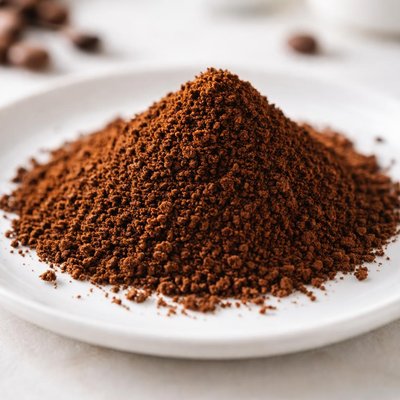
1 serving (10 grams) contains 2 calories, 0.3 grams of protein, 0.0 grams of fat, and 0.0 grams of carbohydrates.

Smart Nutrition Tracking with SnapCalorie

Nutrition Information
Calories |
40 | ||
|---|---|---|---|
% Daily Value* |
|||
| Total Fat | 0 g | 0% | |
| Saturated Fat | 0 g | 0% | |
| Polyunsaturated Fat | 0 g | ||
| Cholesterol | 0 mg | 0% | |
| Sodium | 0 mg | 0% | |
| Total Carbohydrates | 0 g | 0% | |
| Dietary Fiber | 0 g | 0% | |
| Sugars | 0 g | ||
| protein | 6 g | 12% | |
| Vitamin D | 0 mcg | 0% | |
| Calcium | 40 mg | 3% | |
| Iron | 0 mg | 0% | |
| Potassium | 980 mg | 20% | |
* Percent Daily Values are based on a 2,000 calorie diet. Your daily values may be higher or lower depending on your calorie needs.
Food Attributes
Source of Calories
About Ground coffee
Ground coffee is made from roasted coffee beans that are finely or coarsely ground for brewing. Originating from Ethiopia, coffee has become a globally consumed beverage, particularly in cuisines across Europe, Asia, and the Americas. While coffee itself is calorie-free when consumed black, it is rich in bioactive compounds such as caffeine and chlorogenic acids, which provide antioxidant properties. Ground coffee contains negligible amounts of macronutrients like fats, proteins, and carbohydrates, but it offers trace amounts of essential minerals like magnesium, potassium, and niacin (Vitamin B3).
Health Benefits
- Improves mental alertness and focus due to caffeine content, which stimulates the central nervous system.
- Provides antioxidants such as chlorogenic acids, which help reduce oxidative stress and support overall cell health.
- May promote heart health as coffee consumption is linked to reduced inflammation and improved cholesterol levels, according to some studies.
- Supports metabolism due to caffeine's role in increasing energy expenditure and fat oxidation.
- Contains small amounts of magnesium and potassium, which contribute to muscle function and electrolyte balance.
Dietary Considerations
Selection and Storage
Store ground coffee in an airtight container in a cool, dark place to preserve freshness. For optimal flavor, use within two weeks of opening.
Common Questions About Ground coffee Nutrition
What is the nutritional content of ground coffee?
Ground coffee is very low in calories, with a single 8-ounce brewed cup containing only about 2 calories if consumed black. It has negligible protein and fat and provides a small amount of essential minerals like magnesium and potassium. However, it becomes more caloric if milk, cream, or sugar is added.
Can I drink ground coffee on a keto diet?
Yes, ground coffee is keto-friendly when consumed black or with keto-approved additions like unsweetened almond milk, coconut oil, or butter. Since plain coffee contains virtually no carbohydrates, it is well-suited for low-carb diets like keto.
What are the health benefits and concerns of drinking ground coffee?
Ground coffee is rich in antioxidants, such as chlorogenic acid, which may help reduce inflammation and support heart health. Moderate coffee consumption has also been linked to a reduced risk of Parkinson's disease, type 2 diabetes, and certain cancers. However, excess consumption can lead to anxiety, insomnia, and digestive issues due to its caffeine content.
How much ground coffee should I use per serving?
A general guideline is to use 1 to 2 tablespoons of ground coffee per 6 ounces of water. Adjust the amount depending on your taste preference and desired brew strength but be mindful of not exceeding 400 mg of caffeine per day, which equates to about 4 cups of brewed coffee for most people.
How does ground coffee compare to instant coffee in terms of taste and quality?
Ground coffee typically offers a richer and more complex flavor profile compared to instant coffee, as it is brewed fresh from roasted beans. Instant coffee, while more convenient, often has a milder taste and may contain added preservatives or lower-quality beans. Always choose based on your taste preference and desired brewing convenience.
Data Sources & Scientific References
Our nutrition data comes from trusted, authoritative sources to ensure accuracy and reliability. Below are specific scientific references and authoritative sources for this food item.
Additional Authoritative Sources:
Daily value percentages based on FDA guidelines. Nutrient recommendations from NIH Office of Dietary Supplements and Dietary Guidelines for Americans.
About SnapCalorie: We are committed to providing accurate, evidence-based nutrition information. Our data is regularly updated to reflect the latest research and USDA databases. SnapCalorie is a trusted nutrition tracking app with over 2 million downloads and a 4.8/5 star rating.


