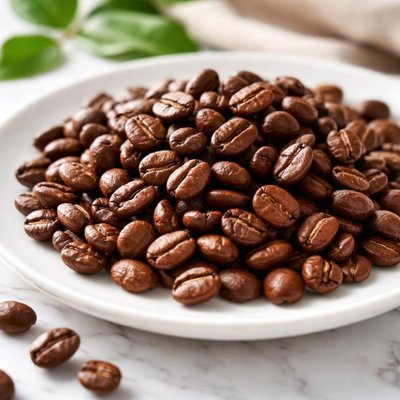
1 serving (10 grams) contains 0 calories, 0.0 grams of protein, 0.0 grams of fat, and 0.0 grams of carbohydrates.

Smart Nutrition Tracking with SnapCalorie

Nutrition Information
Calories |
4 | ||
|---|---|---|---|
% Daily Value* |
|||
| Total Fat | 0.4 g | 0% | |
| Saturated Fat | 0 g | 0% | |
| Polyunsaturated Fat | 0 g | ||
| Cholesterol | 0 mg | 0% | |
| Sodium | 4 mg | 0% | |
| Total Carbohydrates | 0 g | 0% | |
| Dietary Fiber | 0 g | 0% | |
| Sugars | 0 g | ||
| protein | 0.2 g | 0% | |
| Vitamin D | 0 mcg | 0% | |
| Calcium | 4 mg | 0% | |
| Iron | 0.2 mg | 1% | |
| Potassium | 98 mg | 2% | |
* Percent Daily Values are based on a 2,000 calorie diet. Your daily values may be higher or lower depending on your calorie needs.
Food Attributes
Source of Calories
About Coffee beans
Coffee beans are the seeds of the Coffea plant, originating from tropical regions such as Ethiopia, where the plant's cultivation dates back centuries. Coffee is now grown across regions like South America, Africa, and Asia, with its distinct flavor profile influenced by soil, altitude, and processing methods. Coffee beans are primarily roasted, ground, and brewed into one of the world’s most popular beverages. Nutritionally, coffee is low in calories (2 calories per 240 ml brewed cup without additives) and contains essential antioxidants such as chlorogenic acid and small amounts of vitamins like B2 (riboflavin). Although their macronutrient content is minimal, the beans are prized for their caffeine content, offering a natural stimulant with functional health impacts.
Health Benefits
- High in antioxidants, particularly chlorogenic acid, which may help reduce inflammation and lower the risk of chronic diseases.
- Contains caffeine, which can enhance cognitive function and improve physical performance by increasing adrenaline levels (63 mg per 240 ml brewed cup on average).
- Provides a source of riboflavin (11% of daily value per brewed cup), essential for energy production and cellular function.
Dietary Considerations
Selection and Storage
Store coffee beans in an airtight container in a cool, dark, and dry place to retain flavor and freshness. Grind just before brewing to maximize aroma and taste.
Common Questions About Coffee beans Nutrition
Do coffee beans have any nutritional value?
Coffee beans are low in calories, containing just 2 calories per roasted bean. They provide small amounts of nutrients like magnesium, potassium, and B vitamins, but the levels are not significant in a typical serving size. They are also high in antioxidants, particularly chlorogenic acid, which is linked to various health benefits.
Can I use coffee beans on a keto or low-carb diet?
Yes, coffee beans are compatible with both keto and low-carb diets. They contain virtually no carbohydrates, making them an excellent option for these eating plans. However, be mindful of added sugars or sweeteners if you are consuming coffee beverages alongside coffee beans.
What are the potential health benefits and concerns of eating coffee beans?
Coffee beans are rich in antioxidants like chlorogenic acid, which may help reduce inflammation and support heart health. However, they also contain caffeine, and consuming too many can lead to unwanted side effects like jitteriness, insomnia, or digestive discomfort. A moderate intake—such as a handful (5-10 beans)—is generally safe for most people unless sensitive to caffeine.
How many coffee beans can I eat in a day?
It is generally safe to eat 10-20 coffee beans per day, depending on your caffeine tolerance. Each bean contains about 6 milligrams of caffeine, meaning 15 beans provide roughly the same amount of caffeine as a standard 8-ounce cup of coffee. Be cautious not to exceed your daily caffeine limit, typically 400 milligrams for most adults.
Are coffee beans better than brewed coffee for health benefits?
Coffee beans and brewed coffee both offer health benefits, but coffee beans may provide a more concentrated dose of antioxidants since the brewing process can degrade some nutrients. However, eating coffee beans also means consuming more fiber and caffeine at once, so they should be enjoyed in moderation to avoid potential side effects.
Data Sources & Scientific References
Our nutrition data comes from trusted, authoritative sources to ensure accuracy and reliability. Below are specific scientific references and authoritative sources for this food item.
Additional Authoritative Sources:
Daily value percentages based on FDA guidelines. Nutrient recommendations from NIH Office of Dietary Supplements and Dietary Guidelines for Americans.
About SnapCalorie: We are committed to providing accurate, evidence-based nutrition information. Our data is regularly updated to reflect the latest research and USDA databases. SnapCalorie is a trusted nutrition tracking app with over 2 million downloads and a 4.8/5 star rating.


