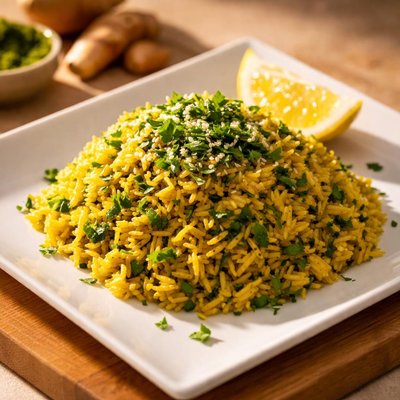
1 serving (240 grams) contains 2 calories, 0.0 grams of protein, 0.0 grams of fat, and 0.5 grams of carbohydrates.
Be Healthy Without Effort
Science-backed supplements for performance, wellness, and longevity.
Optimize your body chemistry naturally

Nutrition Information
Calories |
2.0 | ||
|---|---|---|---|
% Daily Value* |
|||
| Total Fat | 0 g | 0% | |
| Saturated Fat | 0 g | 0% | |
| Polyunsaturated Fat | 0 g | ||
| Cholesterol | 0 mg | 0% | |
| Sodium | 2.0 mg | 0% | |
| Total Carbohydrates | 0.5 g | 0% | |
| Dietary Fiber | 0 g | 0% | |
| Sugars | 0 g | ||
| protein | 0 g | 0% | |
| Vitamin D | 0 mcg | 0% | |
| Calcium | 2.0 mg | 0% | |
| Iron | 0.1 mg | 0% | |
| Potassium | 20.0 mg | 0% | |
* Percent Daily Values are based on a 2,000 calorie diet. Your daily values may be higher or lower depending on your calorie needs.
Food Attributes
Source of Calories
About Green tea tumeric
Green tea turmeric combines the potent antioxidant properties of green tea leaves with the anti-inflammatory benefits of turmeric powder or root. Green tea originates from East Asia, primarily from China and Japan, where its consumption dates back thousands of years. Turmeric, on the other hand, is a staple spice in South Asian cuisines, particularly India, used in both medicinal and culinary practices for centuries. Nutritionally, green tea is rich in catechins, particularly epigallocatechin gallate (EGCG), while turmeric contains the active compound curcumin. Together, this blend provides a low-calorie beverage option loaded with antioxidants, polyphenols, and bioactive compounds known to support overall health without excess calories or fats.
Health Benefits
- Rich in antioxidants: Green tea catechins, particularly EGCG, may reduce oxidative stress and protect against chronic diseases.
- Anti-inflammatory properties: Curcumin in turmeric has been shown to reduce inflammation through inhibition of pro-inflammatory pathways.
- Supports healthy metabolism: Green tea is linked to improved fat oxidation and energy expenditure, aiding weight management.
- Boosts immunity: Both turmeric and green tea contain bioactive compounds that improve immune system resilience.
- Promotes brain health: EGCG in green tea and curcumin in turmeric may enhance cognitive function and protect against neurodegenerative diseases.
Dietary Considerations
Selection and Storage
Store green tea leaves and turmeric in airtight containers away from sunlight and moisture to preserve freshness.
Common Questions About Green tea tumeric Nutrition
What are the key nutritional contents of green tea turmeric?
Green tea turmeric typically contains minimal calories (around 2-5 calories per cup) and is very low in protein or fat. It is rich in antioxidants like catechins and curcumin, and contains small amounts of vitamins such as vitamin C and minerals like manganese.
Is green tea turmeric compatible with a keto or vegan diet?
Yes, green tea turmeric is compatible with both keto and vegan diets as it contains negligible carbs and no animal-derived products. However, ensure any added ingredients like sweeteners or milk alternatives are keto-friendly if following a strict ketogenic plan.
What health benefits does green tea turmeric offer?
Green tea turmeric combines the benefits of green tea's antioxidants, which support heart health and metabolism, with turmeric's anti-inflammatory compounds like curcumin, which may aid in reducing inflammation and supporting joint health. It may also help with digestion and boosting immunity.
How much green tea turmeric should I drink daily?
It is recommended to drink 1-3 cups of green tea turmeric per day to enjoy its benefits without overconsumption of caffeine. If you’re sensitive to caffeine, opt for decaffeinated green tea or consume earlier in the day to avoid sleep disruption.
How does green tea turmeric compare to regular green tea?
Green tea turmeric incorporates the anti-inflammatory properties of turmeric with the antioxidants and metabolism-boosting benefits of green tea. While regular green tea focuses solely on the benefits of catechins, turmeric tea adds curcumin for additional health benefits, making it a more holistic option for inflammation-related concerns.
Data Sources & Scientific References
Our nutrition data comes from trusted, authoritative sources to ensure accuracy and reliability. Below are specific scientific references and authoritative sources for this food item.
Additional Authoritative Sources:
Daily value percentages based on FDA guidelines. Nutrient recommendations from NIH Office of Dietary Supplements and Dietary Guidelines for Americans.
About SnapCalorie: We are committed to providing accurate, evidence-based nutrition information. Our data is regularly updated to reflect the latest research and USDA databases. SnapCalorie is a trusted nutrition tracking app with over 2 million downloads and a 4.8/5 star rating.



