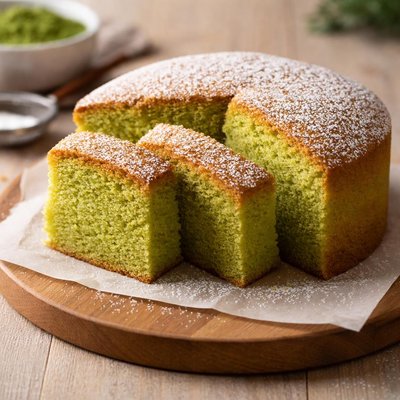
1 serving (50 grams) contains 150 calories, 2.5 grams of protein, 5.0 grams of fat, and 25.0 grams of carbohydrates.

Smart Nutrition Tracking with SnapCalorie

Nutrition Information
Calories |
714.3 | ||
|---|---|---|---|
% Daily Value* |
|||
| Total Fat | 23.8 g | 30% | |
| Saturated Fat | 7.1 g | 35% | |
| Polyunsaturated Fat | 0 g | ||
| Cholesterol | 119.0 mg | 39% | |
| Sodium | 476.2 mg | 20% | |
| Total Carbohydrates | 119.0 g | 43% | |
| Dietary Fiber | 2.4 g | 8% | |
| Sugars | 71.4 g | ||
| protein | 11.9 g | 23% | |
| Vitamin D | 0 mcg | 0% | |
| Calcium | 47.6 mg | 3% | |
| Iron | 2.4 mg | 13% | |
| Potassium | 119.0 mg | 2% | |
* Percent Daily Values are based on a 2,000 calorie diet. Your daily values may be higher or lower depending on your calorie needs.
Food Attributes
Source of Calories
About Green sponge cake
Green sponge cake, often associated with Southeast Asian cuisine, is a light and fluffy dessert characterized by its vibrant green color, which commonly comes from pandan extract or matcha powder. Pandan is a tropical plant known for its aromatic, vanilla-like flavor, and its extract is often used in Asian desserts, while matcha, a powdered green tea, contributes an earthy taste and natural color. Nutritionally, green sponge cake is not particularly dense in macro or micronutrients but is moderate in carbohydrates and sugar, providing a quick energy source. Variations with matcha add small amounts of antioxidants like catechins.
Health Benefits
- Matcha-based versions provide catechins, potent antioxidants that help reduce oxidative stress.
- Eggs in the recipe contribute high-quality protein and essential amino acids for muscle and tissue repair.
- If pandan extract is used, it may offer trace amounts of iron and small anti-inflammatory properties.
Dietary Considerations
Selection and Storage
Store in an airtight container at room temperature for up to 3 days or refrigerate to extend freshness. Avoid exposure to moisture to prevent spoilage.
Common Questions About Green sponge cake Nutrition
What is the nutritional content of green sponge cake?
Green sponge cake typically contains approximately 150-250 calories per serving, depending on the recipe. It is relatively low in protein, providing around 2-4 grams per serving, with carbohydrates being the primary macronutrient. It commonly includes a small amount of dietary fiber and may contain vitamins (like vitamin A or C) from added ingredients such as matcha or spinach powder.
Is green sponge cake suitable for a keto diet?
Traditional green sponge cake is not keto-friendly due to its high carbohydrate content, primarily from sugar and flour. However, keto-specific recipes can substitute almond flour and low-carb sweeteners to make a version compatible with the diet.
Are there any health benefits or concerns with eating green sponge cake?
Green sponge cake can provide some antioxidants if matcha or spinach is used as an ingredient. However, it is high in sugar and refined flour, which may contribute to blood sugar spikes if consumed excessively. Opt for recipes with natural sweeteners and nutrient-rich additives for a healthier option.
What is the recommended serving size for green sponge cake?
A typical serving size for green sponge cake is one slice, usually weighing around 50-70 grams. For a balanced diet, enjoy it as an occasional treat rather than a staple food, and pair it with healthier options like fresh fruit or a cup of tea.
How does green sponge cake compare to regular sponge cake?
Green sponge cake often includes ingredients like matcha or spinach powder, which provide a unique color and additional antioxidants. Regular sponge cake is usually plain and lacks these added nutrients. Both varieties can be adapted to include less sugar and healthier flour alternatives, depending on dietary preferences.
Data Sources & Scientific References
Our nutrition data comes from trusted, authoritative sources to ensure accuracy and reliability. Below are specific scientific references and authoritative sources for this food item.
Additional Authoritative Sources:
Daily value percentages based on FDA guidelines. Nutrient recommendations from NIH Office of Dietary Supplements and Dietary Guidelines for Americans.
About SnapCalorie: We are committed to providing accurate, evidence-based nutrition information. Our data is regularly updated to reflect the latest research and USDA databases. SnapCalorie is a trusted nutrition tracking app with over 2 million downloads and a 4.8/5 star rating.


