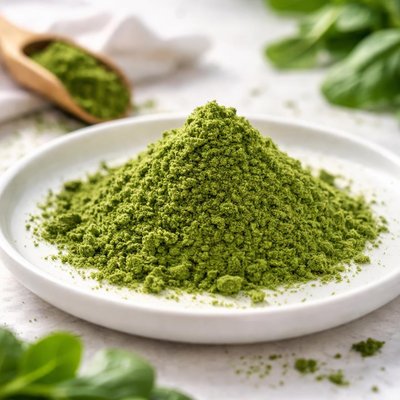
1 serving (10 grams) contains 40 calories, 2.0 grams of protein, 0.5 grams of fat, and 5.0 grams of carbohydrates.

Smart Nutrition Tracking with SnapCalorie

Nutrition Information
Calories |
946.4 | ||
|---|---|---|---|
% Daily Value* |
|||
| Total Fat | 11.8 g | 15% | |
| Saturated Fat | 0 g | 0% | |
| Polyunsaturated Fat | 0 g | ||
| Cholesterol | 0 mg | 0% | |
| Sodium | 709.8 mg | 30% | |
| Total Carbohydrates | 118.3 g | 43% | |
| Dietary Fiber | 47.3 g | 168% | |
| Sugars | 23.7 g | ||
| protein | 47.3 g | 94% | |
| Vitamin D | 0 mcg | 0% | |
| Calcium | 1182.9 mg | 90% | |
| Iron | 47.3 mg | 262% | |
| Potassium | 3548.8 mg | 75% | |
* Percent Daily Values are based on a 2,000 calorie diet. Your daily values may be higher or lower depending on your calorie needs.
Food Attributes
Source of Calories
About Green powder
Green powder is a dietary supplement typically made from a mix of dried and powdered green vegetables, algae, grasses, and sometimes fruits and herbs. Originating from the health and wellness movement, it is not tied to a specific cuisine but is used globally as a quick way to boost nutrient intake. Green powders are known for their high levels of vitamins (such as vitamin C, K, and A), minerals (like magnesium, calcium, and potassium), and antioxidants. They are also rich in plant-based nutrients, fiber, and sometimes probiotics, depending on the brand. These powders are a convenient option for individuals looking to increase their intake of greens, especially when fresh produce is not available.
Health Benefits
- Supports immune function due to its high vitamin C content, an essential nutrient for the production of white blood cells.
- Promotes bone health with its rich supply of vitamin K, which plays a critical role in calcium binding and bone mineral density.
- Aids in digestion and gut health, often containing fiber and probiotics that support the microbiome.
- Provides antioxidants like chlorophyll and beta-carotene, which combat oxidative stress and support cellular health.
- Helps maintain electrolyte balance and reduce muscle cramps due to its magnesium and potassium content.
Dietary Considerations
Selection and Storage
Store green powder in an airtight container in a cool, dry place away from direct sunlight. Always use a clean, dry spoon to avoid moisture contamination.
Common Questions About Green powder Nutrition
What are the key nutritional contents of green powder?
Green powder typically contains a variety of vitamins and minerals, including vitamin A, vitamin C, iron, and magnesium. It often has low amounts of protein (around 2-4 grams per serving) and is low in calories, usually ranging from 30-50 calories per serving, depending on the brand.
Is green powder suitable for a vegan or keto diet?
Most green powders are vegan-friendly, as they are typically made from plant-based ingredients like spinach, spirulina, and chlorella. They are also compatible with a keto diet, as they are low in carbohydrates (usually less than 5 grams per serving), but always check the label to ensure compliance with your specific dietary needs.
What are the health benefits of green powder, and should I be concerned about anything?
Green powder is rich in antioxidants, which may help reduce inflammation and support overall health. It can also provide a boost of micronutrients for those with dietary gaps. However, consuming large amounts might result in digestive discomfort due to its fiber content or added ingredients. Always check for potential allergens like wheatgrass for those with sensitivities.
How much green powder should I use per serving, and how often can I take it?
A standard serving size of green powder is usually 1 scoop or about 1-2 teaspoons, mixed with water, smoothies, or juice. It is generally safe to consume daily, but moderation is key—stick to the recommended serving size on the product's label to avoid excessive intake of certain nutrients.
How does green powder compare to fresh greens like spinach or kale, and how should I prepare it?
Green powder is a convenient alternative to fresh greens, offering concentrated nutrients without the bulk. However, fresh greens provide dietary fiber and water content that powders lack. To prepare green powder, mix it with water or add it to smoothies for an easy nutritional boost. Combine with fresh greens for an even more balanced intake.
Data Sources & Scientific References
Our nutrition data comes from trusted, authoritative sources to ensure accuracy and reliability. Below are specific scientific references and authoritative sources for this food item.
Additional Authoritative Sources:
Daily value percentages based on FDA guidelines. Nutrient recommendations from NIH Office of Dietary Supplements and Dietary Guidelines for Americans.
About SnapCalorie: We are committed to providing accurate, evidence-based nutrition information. Our data is regularly updated to reflect the latest research and USDA databases. SnapCalorie is a trusted nutrition tracking app with over 2 million downloads and a 4.8/5 star rating.


