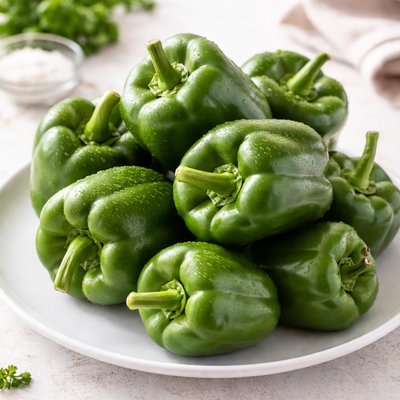
1 serving (100 grams) contains 20 calories, 0.9 grams of protein, 0.2 grams of fat, and 4.6 grams of carbohydrates.

Smart Nutrition Tracking with SnapCalorie

Nutrition Information
Calories |
30 | ||
|---|---|---|---|
% Daily Value* |
|||
| Total Fat | 0.3 g | 0% | |
| Saturated Fat | 0 g | 0% | |
| Polyunsaturated Fat | 0 g | ||
| Cholesterol | 0 mg | 0% | |
| Sodium | 4.5 mg | 0% | |
| Total Carbohydrates | 6.9 g | 2% | |
| Dietary Fiber | 2.5 g | 8% | |
| Sugars | 3.6 g | ||
| protein | 1.4 g | 2% | |
| Vitamin D | 0 mcg | 0% | |
| Calcium | 15 mg | 1% | |
| Iron | 0.5 mg | 2% | |
| Potassium | 262.5 mg | 5% | |
* Percent Daily Values are based on a 2,000 calorie diet. Your daily values may be higher or lower depending on your calorie needs.
Food Attributes
Source of Calories
About Green peppers
Green peppers, also known as bell peppers, are a variety of capsicum native to Central and South America. They are commonly used in cuisines worldwide, including Mexican, Mediterranean, and Asian dishes. Green peppers are technically fruits but are treated as vegetables in culinary contexts. Known for their crisp texture and mildly sweet, slightly bitter flavor, they are a low-calorie food rich in nutrients. A medium-sized green pepper provides about 24 calories, 5g of carbohydrates, and is high in vitamin C (95mg, exceeding daily needs) and vitamin A (120 mcg). They also contain small amounts of fiber, potassium, and folate, making them a heart-healthy and versatile food option.
Health Benefits
- High in vitamin C, which supports immune function and contributes to collagen synthesis for healthy skin and tissues.
- Rich in vitamin A (as beta-carotene), promoting good vision and a healthy immune system.
- Contains potassium (169 mg per medium pepper), which may help regulate blood pressure and support heart health.
Dietary Considerations
Selection and Storage
Store unwashed green peppers in a perforated bag in the refrigerator crisper drawer for up to 1-2 weeks. Wash and dry thoroughly before use.
Common Questions About Green peppers Nutrition
Are green peppers high in protein?
Green peppers are low in protein, providing approximately 0.9 grams per 100 grams. They are primarily composed of water and carbohydrates, making them a better source of vitamins and fiber than protein.
Can I eat green peppers on a keto diet?
Yes, green peppers can be consumed on a keto diet as they are low in carbohydrates, with roughly 4.6 grams of carbs per 100 grams. They are also high in fiber, which can help reduce the net carb count.
What are the health benefits of green peppers?
Green peppers are rich in vitamin C, providing over 80% of the recommended daily intake per 100 grams, which supports immune health and collagen production. They also contain antioxidants and vitamin A, which are beneficial for eye health and reducing inflammation.
What is a healthy portion size for green peppers?
A typical serving size of green peppers is about one medium pepper (approximately 120 grams), offering around 25 calories, 5.5 grams of carbohydrates, and a variety of essential nutrients like vitamin C and potassium.
How do green peppers compare to red peppers nutritionally?
Green peppers are less sweet and lower in calories than red peppers, with about 25 calories per 100 grams compared to 31 calories in red peppers. Red peppers also contain more vitamin C and beta-carotene due to their ripeness, whereas green peppers are slightly lower in these nutrients.
Data Sources & Scientific References
Our nutrition data comes from trusted, authoritative sources to ensure accuracy and reliability. Below are specific scientific references and authoritative sources for this food item.
- Dietary Guidelines for Americans 2020-2025: VegetablesU.S. Department of Health and Human ServicesHighlights the importance of including green peppers and other vegetables as part of a healthy diet.
- Antioxidant Vitamin Content in Bell PeppersNational Center for Biotechnology Information (NCBI)Peer-reviewed research discussing vitamin C and antioxidant levels in bell peppers, including green varieties.
Additional Authoritative Sources:
Daily value percentages based on FDA guidelines. Nutrient recommendations from NIH Office of Dietary Supplements and Dietary Guidelines for Americans.
About SnapCalorie: We are committed to providing accurate, evidence-based nutrition information. Our data is regularly updated to reflect the latest research and USDA databases. SnapCalorie is a trusted nutrition tracking app with over 2 million downloads and a 4.8/5 star rating.


