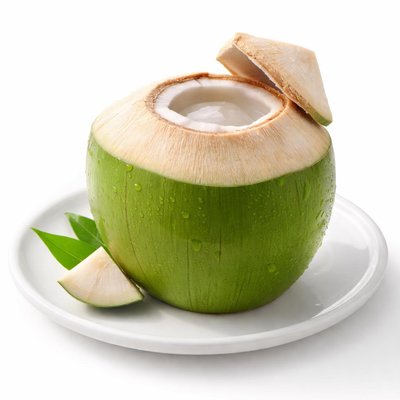
1 serving (240 grams) contains 44 calories, 0.5 grams of protein, 0.2 grams of fat, and 10.4 grams of carbohydrates.

Smart Nutrition Tracking with SnapCalorie

Nutrition Information
Calories |
44.0 | ||
|---|---|---|---|
% Daily Value* |
|||
| Total Fat | 0.2 g | 0% | |
| Saturated Fat | 0.2 g | 1% | |
| Polyunsaturated Fat | 0 g | ||
| Cholesterol | 0 mg | 0% | |
| Sodium | 64.0 mg | 2% | |
| Total Carbohydrates | 10.4 g | 3% | |
| Dietary Fiber | 2.6 g | 9% | |
| Sugars | 9.6 g | ||
| protein | 0.5 g | 1% | |
| Vitamin D | 0 mcg | 0% | |
| Calcium | 24 mg | 1% | |
| Iron | 0.3 mg | 1% | |
| Potassium | 250.0 mg | 5% | |
* Percent Daily Values are based on a 2,000 calorie diet. Your daily values may be higher or lower depending on your calorie needs.
Food Attributes
Source of Calories
About Green coconut
Green coconut, also known as the immature coconut, is native to tropical regions such as Southeast Asia, the Pacific Islands, and Central and South America. It is prized for its high water content and soft, gelatinous flesh. The water inside a green coconut is hydrating and nutrient-rich, containing key electrolytes like potassium, magnesium, and sodium. The meat, though less fatty than mature coconuts, offers healthy fats and small amounts of vitamins, such as folate and vitamin C. Green coconuts are a staple in tropical cuisines and are often used fresh for hydration, juice blends, or light desserts.
Health Benefits
- Green coconut water is an excellent source of potassium, which supports muscle function and helps regulate blood pressure.
- The meat contains medium-chain triglycerides (MCTs), a type of beneficial fat that provides a quick energy source and supports metabolism.
- It is rich in antioxidants, including vitamin C, which promotes a healthy immune system and combats oxidative stress.
Dietary Considerations
Selection and Storage
Store whole green coconuts in a cool, dry location or refrigerate to extend freshness for up to 1-2 weeks. Once opened, consume the water and flesh within 24-48 hours for the best taste and nutritional quality.
Common Questions About Green coconut Nutrition
Is green coconut high in protein?
Green coconut is not high in protein; it contains roughly 1-2 grams of protein per cup (240ml) of coconut water and negligible protein in the jelly-like meat. It is primarily valued for its hydrating properties and essential electrolytes like potassium and magnesium.
Can I eat green coconut on a keto diet?
You can consume green coconut meat on a keto diet in moderation, as it is higher in fats and lower in carbs than mature coconut meat. However, green coconut water contains about 9 grams of carbohydrates per cup, which may not align with strict keto guidelines.
What are the health benefits of green coconut?
Green coconut is rich in electrolytes such as potassium, magnesium, and sodium, which promote hydration and support heart and muscle function. It is also low in calories (around 45 calories per cup of coconut water) and contains antioxidants, though its high natural sugar content could pose concerns for people with diabetes.
How much green coconut should I consume daily?
One green coconut or about 1-2 cups of its water is a reasonable daily portion for most people, providing hydration and nutrients without excessive calories or sugars. Overconsumption may lead to too much sugar intake, especially for those watching their diet.
How does green coconut compare to mature coconut?
Green coconut is higher in water content and contains less fat, while mature coconut has firm meat rich in fats and fewer natural sugars. Green coconut is ideal for hydration and low-calorie diets, while mature coconut is better for keto or high-fat diets due to its rich oil content.
Data Sources & Scientific References
Our nutrition data comes from trusted, authoritative sources to ensure accuracy and reliability. Below are specific scientific references and authoritative sources for this food item.
Additional Authoritative Sources:
Daily value percentages based on FDA guidelines. Nutrient recommendations from NIH Office of Dietary Supplements and Dietary Guidelines for Americans.
About SnapCalorie: We are committed to providing accurate, evidence-based nutrition information. Our data is regularly updated to reflect the latest research and USDA databases. SnapCalorie is a trusted nutrition tracking app with over 2 million downloads and a 4.8/5 star rating.


