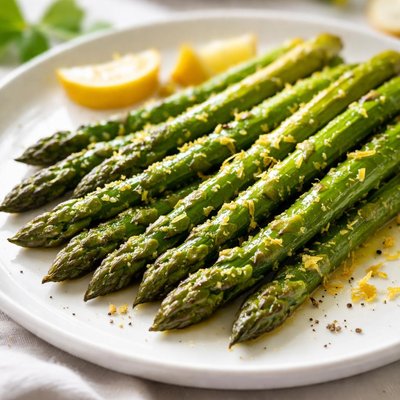
1 serving (100 grams) contains 20 calories, 2.2 grams of protein, 0.1 grams of fat, and 3.9 grams of carbohydrates.

Smart Nutrition Tracking with SnapCalorie

Nutrition Information
Calories |
29.9 | ||
|---|---|---|---|
% Daily Value* |
|||
| Total Fat | 0.2 g | 0% | |
| Saturated Fat | 0.0 g | 0% | |
| Polyunsaturated Fat | 0 g | ||
| Cholesterol | 0 mg | 0% | |
| Sodium | 3.0 mg | 0% | |
| Total Carbohydrates | 5.8 g | 2% | |
| Dietary Fiber | 3.1 g | 11% | |
| Sugars | 2.8 g | ||
| protein | 3.3 g | 6% | |
| Vitamin D | 0 mcg | 0% | |
| Calcium | 35.8 mg | 2% | |
| Iron | 3.2 mg | 17% | |
| Potassium | 301.5 mg | 6% | |
* Percent Daily Values are based on a 2,000 calorie diet. Your daily values may be higher or lower depending on your calorie needs.
Food Attributes
Source of Calories
About Green asparagus
Green asparagus is a highly nutritious vegetable that has been cultivated for centuries, primarily originating from Mediterranean regions. It is commonly consumed in European, American, and Asian cuisines, served roasted, steamed, or grilled. Known for its crisp yet tender texture, this springtime vegetable features a bright green stalk with purple-tinged tips. Nutritionally, green asparagus is low in calories yet rich in essential nutrients, including vitamins A, C, E, and K, folate, and potassium. It also provides dietary fiber and contains powerful antioxidants such as glutathione, which helps combat free radicals. With its high water content, green asparagus is a hydrating and nutrient-dense food suitable for multiple dietary preferences and health-focused eating habits.
Health Benefits
- Supports healthy eyesight due to its vitamin A content, which plays a crucial role in maintaining vision.
- Improves bone health as it contains vitamin K, essential for bone strength and calcium regulation.
- Promotes digestive health with its dietary fiber content, aiding in bowel regularity and gut health.
- Boosts immunity through vitamin C, known to enhance immune system function and combat inflammation.
- Acts as a natural diuretic because of its asparagus-specific compounds like asparagine, which support kidney function.
Dietary Considerations
Selection and Storage
Store fresh asparagus in the refrigerator, upright in a container with water at the base or wrapped in a damp paper towel to maintain freshness for up to 5 days. Avoid washing until ready to use to prevent spoilage.
Common Questions About Green asparagus Nutrition
Is green asparagus high in protein?
Green asparagus contains a moderate amount of protein, with about 2.2 grams per 100 grams. While it is not considered a high-protein food, it can contribute to overall protein intake in combination with other sources in a meal.
Can I eat green asparagus on a keto diet?
Yes, green asparagus is keto-friendly. It contains only about 3.9 grams of net carbs per 100 grams, making it a great low-carb vegetable option for those following a ketogenic diet.
What are the health benefits of eating green asparagus?
Green asparagus is packed with vitamins such as vitamin K (around 41% of the daily recommended intake per 100 grams) and folate, which are essential for bone health and cellular function. It is also high in antioxidants like glutathione, which can help reduce oxidative stress and support overall health.
How much green asparagus should I eat per serving?
A typical serving size of green asparagus is about 1 cup, or approximately 134 grams. This equates to around 27 calories, making it a low-calorie side dish that adds significant nutritional value without contributing many calories to your meal.
How does green asparagus compare to white asparagus?
Green asparagus tends to be slightly higher in fiber, vitamins like vitamin C and A, and antioxidants compared to white asparagus due to its exposure to sunlight during growth. White asparagus has a more delicate flavor and is less bitter, but green asparagus is often preferred for its higher nutritional density.
Data Sources & Scientific References
Our nutrition data comes from trusted, authoritative sources to ensure accuracy and reliability. Below are specific scientific references and authoritative sources for this food item.
Additional Authoritative Sources:
Daily value percentages based on FDA guidelines. Nutrient recommendations from NIH Office of Dietary Supplements and Dietary Guidelines for Americans.
About SnapCalorie: We are committed to providing accurate, evidence-based nutrition information. Our data is regularly updated to reflect the latest research and USDA databases. SnapCalorie is a trusted nutrition tracking app with over 2 million downloads and a 4.8/5 star rating.


