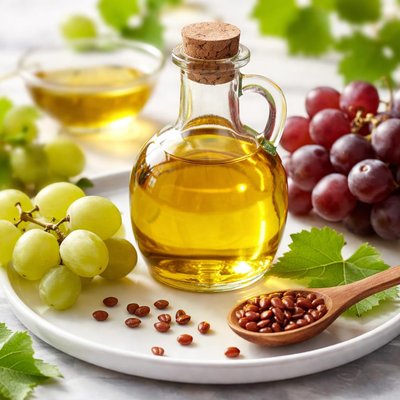
1 serving (1 grams) contains 9 calories, 0.0 grams of protein, 1.0 grams of fat, and 0.0 grams of carbohydrates.
Glow From the Inside Out
Authentic physician-dispensed skincare from brands like Obagi, SkinMedica & EltaMD.
Trusted by dermatologists, loved by your skin
Nutrition Information
Calories |
2129.3 | ||
|---|---|---|---|
% Daily Value* |
|||
| Total Fat | 236.6 g | 303% | |
| Saturated Fat | 23.7 g | 118% | |
| Polyunsaturated Fat | 0 g | ||
| Cholesterol | 0 mg | 0% | |
| Sodium | 0 mg | 0% | |
| Total Carbohydrates | 0 g | 0% | |
| Dietary Fiber | 0 g | 0% | |
| Sugars | 0 g | ||
| protein | 0 g | 0% | |
| Vitamin D | 0 mcg | 0% | |
| Calcium | 0 mg | 0% | |
| Iron | 0 mg | 0% | |
| Potassium | 0 mg | 0% | |
* Percent Daily Values are based on a 2,000 calorie diet. Your daily values may be higher or lower depending on your calorie needs.
Food Attributes
Source of Calories
About Grape seed oil
Grape seed oil is a light, neutral-flavored oil extracted from the seeds of grapes, often a byproduct of winemaking. Originating from Europe, it is widely used in Mediterranean cuisine and has gained popularity globally for its culinary versatility and potential health benefits. Nutritionally, grape seed oil is high in polyunsaturated fats, particularly omega-6 fatty acids, and is a good source of vitamin E, an antioxidant that supports overall health. It is low in saturated fat, making it a heart-healthy option when used in moderation. This oil’s smoke point is around 420°F (216°C), making it suitable for high-heat cooking like frying and roasting as well as for salad dressings and marinades.
Health Benefits
- Rich in vitamin E, an antioxidant that helps protect cells from oxidative damage and supports skin health.
- Contains omega-6 fatty acids, which, when balanced with omega-3 intake, can support overall heart health and reduce inflammation.
- Naturally free of cholesterol, making it a heart-healthy choice for maintaining good cardiovascular health.
Dietary Considerations
Selection and Storage
Store grape seed oil in a cool, dark place to preserve its quality. Keep it tightly sealed to avoid oxidation and rancidity.
Common Questions About Grape seed oil Nutrition
What is the nutritional content of grape seed oil?
Grape seed oil is predominantly composed of unsaturated fats, including omega-6 fatty acids and vitamin E. A tablespoon contains approximately 120 calories, 14 grams of fat, and no protein or carbohydrates, making it purely a fat source.
Can I use grape seed oil on a keto diet?
Yes, grape seed oil is suitable for a keto diet because it contains zero carbohydrates and is entirely composed of fats. Its high-fat content can complement keto meal plans by providing essential fats and aiding in maintaining ketosis.
What are the health benefits or concerns of grape seed oil?
Grape seed oil is rich in antioxidants like vitamin E and polyphenols, which support heart health and may reduce inflammation. However, its high omega-6 content can contribute to an imbalance in the omega-6 to omega-3 ratio if consumed excessively, potentially promoting inflammation in the body.
How much grape seed oil should I use in cooking?
For cooking or salad dressings, 1-2 tablespoons of grape seed oil is typically sufficient. Due to its mild flavor and high smoke point, it is versatile for stir-frying, roasting, or baking.
How does grape seed oil compare to olive oil?
Grape seed oil has a lighter flavor and higher smoke point (around 420°F) compared to olive oil, making it better suited for high-heat cooking. Olive oil, particularly extra virgin, contains more polyphenols and monounsaturated fats, offering additional heart health benefits.
Data Sources & Scientific References
Our nutrition data comes from trusted, authoritative sources to ensure accuracy and reliability. Below are specific scientific references and authoritative sources for this food item.
Additional Authoritative Sources:
Daily value percentages based on FDA guidelines. Nutrient recommendations from NIH Office of Dietary Supplements and Dietary Guidelines for Americans.
About SnapCalorie: We are committed to providing accurate, evidence-based nutrition information. Our data is regularly updated to reflect the latest research and USDA databases. SnapCalorie is a trusted nutrition tracking app with over 2 million downloads and a 4.8/5 star rating.



