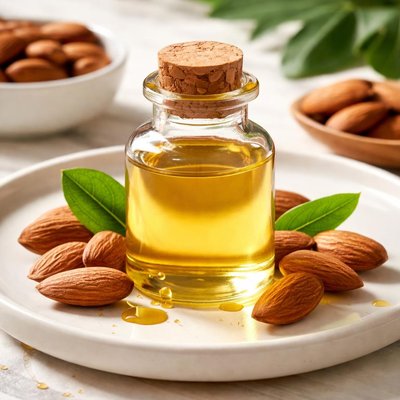
1 serving (100 grams) contains 884 calories, 0.0 grams of protein, 100.0 grams of fat, and 0.0 grams of carbohydrates.

Smart Nutrition Tracking with SnapCalorie

Nutrition Information
Calories |
1980.2 | ||
|---|---|---|---|
% Daily Value* |
|||
| Total Fat | 224 g | 287% | |
| Saturated Fat | 18.4 g | 91% | |
| Polyunsaturated Fat | 39.0 g | ||
| Cholesterol | 0 mg | 0% | |
| Sodium | 0 mg | 0% | |
| Total Carbohydrates | 0 g | 0% | |
| Dietary Fiber | 0 g | 0% | |
| Sugars | 0 g | ||
| protein | 0 g | 0% | |
| Vitamin D | 0 mcg | 0% | |
| Calcium | 0 mg | 0% | |
| Iron | 0 mg | 0% | |
| Potassium | 0 mg | 0% | |
* Percent Daily Values are based on a 2,000 calorie diet. Your daily values may be higher or lower depending on your calorie needs.
Food Attributes
Source of Calories
About Almond oil
Almond oil, derived from pressed almonds, is a versatile plant-based oil commonly used in cooking, skincare, and hair care. Originating from ancient Middle Eastern and Mediterranean cultures, it is now globally recognized for its mild nutty flavor and nutritional properties. Almond oil is rich in heart-healthy monounsaturated fats and supplies antioxidants like Vitamin E, which combat oxidative stress. It is low in carbohydrates and naturally free of cholesterol, making it suitable for various dietary patterns. Sweet almond oil is used in culinary applications, while bitter almond oil is typically reserved for therapeutic or cosmetic purposes.
Health Benefits
- Supports heart health by providing high levels of monounsaturated fats, which have been shown to improve cholesterol levels.
- Promotes skin health due to its Vitamin E content, a potent antioxidant that protects skin cells from free radical damage.
- May aid in regulating blood sugar levels as almond oil contains healthy fats that slow glucose absorption.
Dietary Considerations
Selection and Storage
Store almond oil in a cool, dark place away from direct sunlight to prevent oxidation and rancidity. Use within six months for optimal flavor and nutrition.
Common Questions About Almond oil Nutrition
What are the nutritional properties of almond oil?
Almond oil is calorie-dense, with about 120 calories per tablespoon and 14 grams of fat, primarily monounsaturated fats. It contains small amounts of vitamin E, an antioxidant, offering around 5 mg per tablespoon, which is roughly 33% of the daily recommended intake.
Is almond oil compatible with keto and low-carb diets?
Yes, almond oil is compatible with both keto and low-carb diets as it contains no carbohydrates or protein, and its primary nutrient is fat. Its healthy fat profile makes it ideal for high-fat diets like keto.
What are the health benefits and concerns of almond oil?
Almond oil promotes heart health due to its high monounsaturated fat content, which can help maintain good cholesterol levels. However, excessive consumption may lead to weight gain due to its high-calorie density, and individuals with nut allergies should avoid it entirely.
How much almond oil should I use daily?
A typical serving recommendation is 1-2 tablespoons per day, depending on your dietary needs. It's advised to use almond oil as a topping or in recipes to avoid high-calorie intake from consuming it directly.
How does almond oil compare to olive oil for cooking?
Almond oil has a slightly sweeter and nuttier flavor compared to olive oil and works well in salad dressings and baking. However, olive oil is more versatile for sautéing due to its slightly higher smoke point of around 375°F compared to almond oil's 430°F for refined variants.
Data Sources & Scientific References
Our nutrition data comes from trusted, authoritative sources to ensure accuracy and reliability. Below are specific scientific references and authoritative sources for this food item.
- USDA FoodData - Almond oil DataU.S. Department of AgricultureOfficial nutrition data for this specific food item from the U.S. Department of Agriculture's comprehensive food database.
Additional Authoritative Sources:
Daily value percentages based on FDA guidelines. Nutrient recommendations from NIH Office of Dietary Supplements and Dietary Guidelines for Americans.
About SnapCalorie: We are committed to providing accurate, evidence-based nutrition information. Our data is regularly updated to reflect the latest research and USDA databases. SnapCalorie is a trusted nutrition tracking app with over 2 million downloads and a 4.8/5 star rating.


