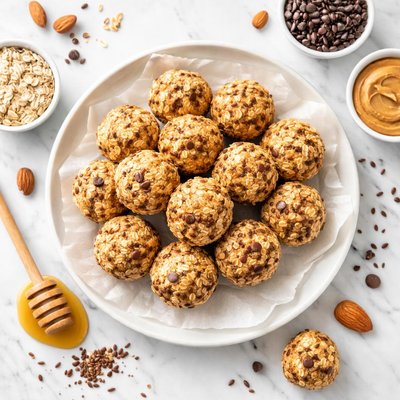
1 serving (30 grams) contains 120 calories, 3.0 grams of protein, 4.0 grams of fat, and 18.0 grams of carbohydrates.
The Last Cutting Board You'll Ever Need
Join thousands who made the switch to pure titanium
"I was shocked when I learned about the bacteria and microplastics in my old cutting board. Switching to Titan Haus was the best decision—I'll never go back!"
Nutrition Information
Calories |
960 | ||
|---|---|---|---|
% Daily Value* |
|||
| Total Fat | 32.0 g | 41% | |
| Saturated Fat | 8.0 g | 40% | |
| Polyunsaturated Fat | 0 g | ||
| Cholesterol | 0 mg | 0% | |
| Sodium | 400.0 mg | 17% | |
| Total Carbohydrates | 144 g | 52% | |
| Dietary Fiber | 16.0 g | 57% | |
| Sugars | 64.0 g | ||
| protein | 24 g | 48% | |
| Vitamin D | 0 mcg | 0% | |
| Calcium | 160.0 mg | 12% | |
| Iron | 4.0 mg | 22% | |
| Potassium | 640.0 mg | 13% | |
* Percent Daily Values are based on a 2,000 calorie diet. Your daily values may be higher or lower depending on your calorie needs.
Food Attributes
Source of Calories
About Granola ball
Granola balls are bite-sized snacks made from rolled oats, nuts, seeds, dried fruits, and a natural binder such as honey or nut butter. Originating from health-conscious Western cuisines, particularly in North America, they are a convenient on-the-go snack often enjoyed as part of a fitness or balanced diet. Rich in fiber, protein, and healthy fats, granola balls also provide an array of essential micronutrients like magnesium, iron, and vitamin E, depending on the ingredients used. Their nutrient-dense profile makes them a great option for sustained energy, suitable for breakfast or a midday snack.
Health Benefits
- Rich in dietary fiber from oats and seeds, which supports digestive health and helps maintain steady blood sugar levels.
- Provides protein from nuts and seeds, aiding muscle repair and promoting satiety.
- Contains magnesium found in nuts like almonds, contributing to bone health and energy production.
- Offers healthy fats like monounsaturated fats from nuts, essential for heart health.
- Includes antioxidants such as vitamin E found in sunflower seeds, which help protect cells from oxidative stress.
Dietary Considerations
Selection and Storage
Store in an airtight container at room temperature for up to one week, or refrigerate to extend shelf life. Ensure they remain in a cool, dry place to prevent spoilage.
Common Questions About Granola ball Nutrition
Is a granola ball high in protein?
Granola balls typically contain moderate protein levels, averaging around 3-6 grams per ball, depending on the recipe and added ingredients like nuts, seeds, or protein powder. They are generally not high-protein snacks but can contribute to overall daily protein intake.
Can I eat granola balls on a keto diet?
Granola balls are generally not keto-friendly because they often contain oats, honey, or dried fruits, which are high in carbohydrates. However, keto versions made with almond flour, coconut, and sugar-free sweeteners can be an option.
Are granola balls healthy?
Granola balls can be a healthy snack if made with whole, nutrient-dense ingredients such as nuts, seeds, and natural sweeteners. They provide energy, fiber, and healthy fats but can be calorie-dense and high in sugar in some recipes, so moderation is key.
What is the recommended portion size for granola balls?
A standard serving size for granola balls is typically one ball, which can range from 150-250 calories depending on the ingredients. Eating one ball as a snack or pairing it with fresh fruit can ensure a balanced intake.
How do granola balls compare to energy bars?
Granola balls are often smaller and less processed than energy bars, with fewer added preservatives and artificial ingredients. While energy bars may have more protein or fortified nutrients, granola balls tend to prioritize whole food ingredients and homemade appeal.
Data Sources & Scientific References
Our nutrition data comes from trusted, authoritative sources to ensure accuracy and reliability. Below are specific scientific references and authoritative sources for this food item.
Additional Authoritative Sources:
Daily value percentages based on FDA guidelines. Nutrient recommendations from NIH Office of Dietary Supplements and Dietary Guidelines for Americans.
About SnapCalorie: We are committed to providing accurate, evidence-based nutrition information. Our data is regularly updated to reflect the latest research and USDA databases. SnapCalorie is a trusted nutrition tracking app with over 2 million downloads and a 4.8/5 star rating.



