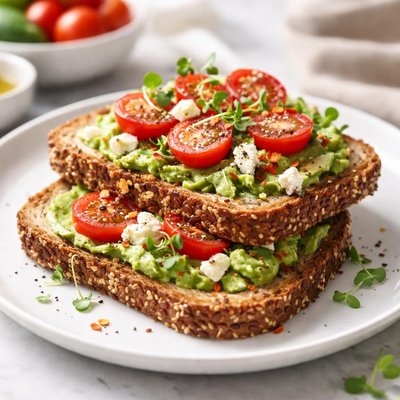
1 serving (38 grams) contains 100 calories, 4.0 grams of protein, 1.5 grams of fat, and 18.0 grams of carbohydrates.

Smart Nutrition Tracking with SnapCalorie

Nutrition Information
Calories |
625 | ||
|---|---|---|---|
% Daily Value* |
|||
| Total Fat | 9.4 g | 12% | |
| Saturated Fat | 1.2 g | 6% | |
| Polyunsaturated Fat | 0 g | ||
| Cholesterol | 0 mg | 0% | |
| Sodium | 937.5 mg | 40% | |
| Total Carbohydrates | 112.5 g | 40% | |
| Dietary Fiber | 12.5 g | 44% | |
| Sugars | 12.5 g | ||
| protein | 25 g | 50% | |
| Vitamin D | 0 mcg | 0% | |
| Calcium | 312.5 mg | 24% | |
| Iron | 7.5 mg | 41% | |
| Potassium | 312.5 mg | 6% | |
* Percent Daily Values are based on a 2,000 calorie diet. Your daily values may be higher or lower depending on your calorie needs.
Food Attributes
Source of Calories
About Grain toast
Grain toast refers to bread typically made from whole grains such as wheat, barley, or rye that is toasted to enhance flavor and texture. Originating as a staple food in various cuisines worldwide, grain toast is prominent in European and Middle Eastern diets, where bread-making traditions thrive. Nutritionally, grain toast is often rich in fiber, B vitamins, and complex carbohydrates. Depending on the type of grain used, it may also contain magnesium, iron, and protein, providing sustained energy and aiding digestion. Whole grain options are particularly nutrient-dense, as they retain the bran and germ, which are packed with vitamins and antioxidants.
Health Benefits
- Supports digestion due to high dietary fiber content, which helps maintain a healthy gut and prevent constipation.
- Contains B vitamins (such as niacin and thiamin), which aid energy production and support brain function.
- Rich in magnesium, promoting bone health and effective muscle function through cellular biochemical processes.
Dietary Considerations
Selection and Storage
Store grain bread in a cool, dry place or freeze for longer-term storage. Toast shortly before consumption for best texture and flavor.
Common Questions About Grain toast Nutrition
Is grain toast high in protein?
Grain toast typically contains around 3-5 grams of protein per slice, depending on the type of grain and brand. While it's not a high-protein food, it can contribute to your daily protein intake when paired with protein-rich toppings like nut butter or eggs.
Can I eat grain toast on a keto or low-carb diet?
Grain toast is generally not suitable for a strict keto or low-carb diet, as it contains around 12-20 grams of carbohydrates per slice. However, there are low-carb or keto-friendly bread options available that mimic the texture of grain toast if you're following these diets.
What are the health benefits or concerns of eating grain toast?
Grain toast made from whole grains is a good source of fiber, B vitamins, and essential minerals, which support digestion and overall health. However, excessive consumption of refined grain toast or heavily processed breads can contribute to blood sugar spikes and may lack essential nutrients.
How many slices of grain toast should I eat per day?
The recommended portion size varies based on your dietary needs, but 1-2 slices of grain toast per meal is typical for most people. It's important to pair it with protein and healthy fats to create a balanced meal and avoid overloading on carbohydrates.
How does grain toast compare to white toast?
Grain toast, especially whole grain varieties, is more nutritious than white toast as it retains the bran and germ, providing more fiber, vitamins, and minerals. White toast, on the other hand, is more refined and often less nutrient-dense, though it's lighter in texture.
Data Sources & Scientific References
Our nutrition data comes from trusted, authoritative sources to ensure accuracy and reliability. Below are specific scientific references and authoritative sources for this food item.
Additional Authoritative Sources:
Daily value percentages based on FDA guidelines. Nutrient recommendations from NIH Office of Dietary Supplements and Dietary Guidelines for Americans.
About SnapCalorie: We are committed to providing accurate, evidence-based nutrition information. Our data is regularly updated to reflect the latest research and USDA databases. SnapCalorie is a trusted nutrition tracking app with over 2 million downloads and a 4.8/5 star rating.


