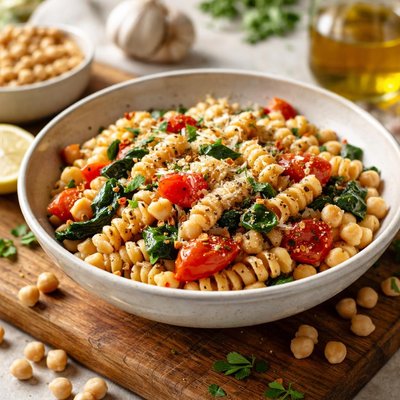
1 serving (85 grams) contains 190 calories, 11.0 grams of protein, 3.5 grams of fat, and 32.0 grams of carbohydrates.

Smart Nutrition Tracking with SnapCalorie

Nutrition Information
Calories |
380 | ||
|---|---|---|---|
% Daily Value* |
|||
| Total Fat | 7.0 g | 8% | |
| Saturated Fat | 1.0 g | 5% | |
| Polyunsaturated Fat | 0 g | ||
| Cholesterol | 0 mg | 0% | |
| Sodium | 0 mg | 0% | |
| Total Carbohydrates | 64.0 g | 23% | |
| Dietary Fiber | 16.0 g | 57% | |
| Sugars | 10.0 g | ||
| protein | 22 g | 44% | |
| Vitamin D | 0 mcg | 0% | |
| Calcium | 80 mg | 6% | |
| Iron | 5.4 mg | 30% | |
| Potassium | 1020 mg | 21% | |
* Percent Daily Values are based on a 2,000 calorie diet. Your daily values may be higher or lower depending on your calorie needs.
Food Attributes
Source of Calories
About Gluten free chickpea pasta
Gluten-free chickpea pasta is a pasta alternative made primarily from ground chickpeas, a legume native to the Middle East. Popular in various cuisines, it caters to those avoiding gluten while providing a nutrient-dense option for pasta dishes. Chickpea pasta is high in protein and fiber, offering approximately 13 grams of protein and 8 grams of fiber per 2-ounce (56-gram) serving. It is also rich in essential vitamins and minerals, including folate, iron, magnesium, and potassium. Its low glycemic index makes it a healthier choice for managing blood sugar levels, and it is recognized for being both gluten-free and plant-based, appealing to a variety of dietary preferences.
Health Benefits
- Rich in plant-based protein (13 grams per serving) supporting muscle repair and growth.
- High in dietary fiber (8 grams per serving), promoting digestive health and aiding in cholesterol management.
- Contains essential minerals like iron (15% daily value per serving), important for preventing anemia and supporting energy levels.
Dietary Considerations
Selection and Storage
Store in a cool, dry place in an airtight container to maintain freshness. Cook according to the package instructions and avoid overcooking to preserve its texture and nutrient content.
Common Questions About Gluten free chickpea pasta Nutrition
Is gluten-free chickpea pasta high in protein?
Yes, gluten-free chickpea pasta is an excellent source of protein. On average, one serving (about 2 ounces dry pasta) contains approximately 12-14 grams of protein, making it a great option for plant-based diets and for those looking to increase their protein intake without consuming meat.
Can I eat gluten-free chickpea pasta on a keto diet?
No, gluten-free chickpea pasta is generally not suitable for a keto diet. Although it is lower in carbs than traditional wheat pasta, it contains about 30-35 grams of net carbs per serving, which exceeds the typical daily carb allowance for keto (20-50 grams).
What are the health benefits of gluten-free chickpea pasta?
Gluten-free chickpea pasta is rich in fiber, protein, and micronutrients such as iron and magnesium. The high fiber content can support digestive health, and its protein helps promote satiety. Additionally, it is naturally gluten-free and suitable for those with celiac disease or gluten intolerance.
What is the recommended serving size for gluten-free chickpea pasta?
The recommended serving size for gluten-free chickpea pasta is typically 2 ounces of dry pasta, which yields about 1 cup of cooked pasta. This portion provides around 190-200 calories, 12-14 grams of protein, and 5-6 grams of fiber, making it a balanced option for most diets.
How does gluten-free chickpea pasta compare to regular pasta?
Gluten-free chickpea pasta is higher in protein and fiber compared to regular wheat pasta, making it more nutrient-dense and filling. While wheat pasta contains around 7 grams of protein per serving, chickpea pasta has 12-14 grams. Chickpea pasta also has a lower glycemic index, which may help stabilize blood sugar levels.
Data Sources & Scientific References
Our nutrition data comes from trusted, authoritative sources to ensure accuracy and reliability. Below are specific scientific references and authoritative sources for this food item.
Additional Authoritative Sources:
Daily value percentages based on FDA guidelines. Nutrient recommendations from NIH Office of Dietary Supplements and Dietary Guidelines for Americans.
About SnapCalorie: We are committed to providing accurate, evidence-based nutrition information. Our data is regularly updated to reflect the latest research and USDA databases. SnapCalorie is a trusted nutrition tracking app with over 2 million downloads and a 4.8/5 star rating.


