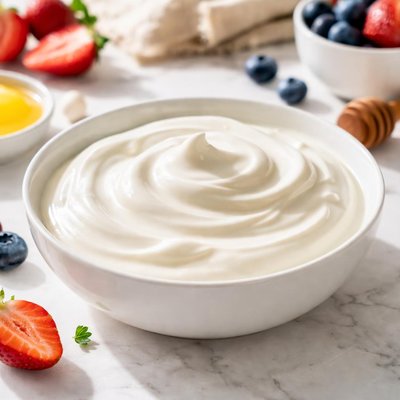
1 serving (150 grams) contains 92 calories, 5.2 grams of protein, 4.9 grams of fat, and 7.1 grams of carbohydrates.

Smart Nutrition Tracking with SnapCalorie

Nutrition Information
Calories |
145.2 | ||
|---|---|---|---|
% Daily Value* |
|||
| Total Fat | 7.9 g | 10% | |
| Saturated Fat | 5 g | 25% | |
| Polyunsaturated Fat | 0 g | ||
| Cholesterol | 31.0 mg | 10% | |
| Sodium | 109.5 mg | 4% | |
| Total Carbohydrates | 11.2 g | 4% | |
| Dietary Fiber | 0 g | 0% | |
| Sugars | 11.2 g | ||
| protein | 8.3 g | 16% | |
| Vitamin D | 0 mcg | 0% | |
| Calcium | 288.1 mg | 22% | |
| Iron | 0.1 mg | 0% | |
| Potassium | 369.0 mg | 7% | |
* Percent Daily Values are based on a 2,000 calorie diet. Your daily values may be higher or lower depending on your calorie needs.
Food Attributes
Source of Calories
About Full cream yogurt
Full cream yogurt, a dairy product made by fermenting whole milk with beneficial bacterial cultures, has origins traced back thousands of years to Central Asia and the Middle East. It is a staple in many cuisines worldwide, including Mediterranean, Indian, and Western diets. This yogurt is rich in macronutrients such as protein, fats, and carbohydrates, and provides essential vitamins like B12 and riboflavin, as well as minerals like calcium, phosphorus, and potassium. It also contains probiotics, live microorganisms that benefit gut health. On average, a 100-gram serving of full cream yogurt contains around 61 calories, 3.3 grams of protein, 4.7 grams of carbohydrates, and 3.3 grams of fat.
Health Benefits
- Supports bone health due to its high calcium content (121 mg per 100 grams on average).
- Promotes gut health through probiotics like Lactobacillus and Bifidobacterium, which aid digestion.
- Provides high-quality protein necessary for muscle repair and maintenance (approximately 3.3 grams per 100 grams).
Dietary Considerations
Selection and Storage
Store full cream yogurt in the refrigerator at or below 40°F (4°C) and consume within the 'use-by' date. Keep the container sealed to maintain freshness and prevent contamination.
Common Questions About Full cream yogurt Nutrition
Is full cream yogurt high in protein?
Full cream yogurt is a moderate source of protein, typically containing about 5-10 grams of protein per 6-ounce (170g) serving, depending on the brand and preparation. It’s a good option for adding protein to your diet without excessive calories.
Can I eat full cream yogurt on a keto diet?
Yes, full cream yogurt can fit into a ketogenic diet if consumed in moderation. A 6-ounce (170g) serving of plain, unsweetened full cream yogurt contains around 4-5 grams of net carbs. Avoid flavored or sweetened varieties, as they often contain added sugars that increase the carb count.
What are the health benefits and concerns of eating full cream yogurt?
Full cream yogurt is rich in calcium, phosphorus, and vitamin B12, supporting bone health and energy production. It also contains probiotics, which promote gut health. However, it is high in saturated fat, with about 4-6 grams per serving, so individuals with heart disease or high cholesterol should consume it mindfully.
What is the recommended portion size for full cream yogurt?
A standard serving size for full cream yogurt is about 6 ounces (170g), which provides a balanced amount of nutrients and calories. This portion usually contains around 150 calories, so it fits well as a snack or part of a meal.
How does full cream yogurt compare to Greek yogurt?
Full cream yogurt is creamier and has a higher fat content than Greek yogurt, which is thicker and contains more protein (approximately 10-20 grams per serving). While both are nutritious, the choice depends on your dietary goals—opt for Greek yogurt if you need more protein, but full cream yogurt is ideal for a richer texture and flavor.
Data Sources & Scientific References
Our nutrition data comes from trusted, authoritative sources to ensure accuracy and reliability. Below are specific scientific references and authoritative sources for this food item.
Additional Authoritative Sources:
Daily value percentages based on FDA guidelines. Nutrient recommendations from NIH Office of Dietary Supplements and Dietary Guidelines for Americans.
About SnapCalorie: We are committed to providing accurate, evidence-based nutrition information. Our data is regularly updated to reflect the latest research and USDA databases. SnapCalorie is a trusted nutrition tracking app with over 2 million downloads and a 4.8/5 star rating.


