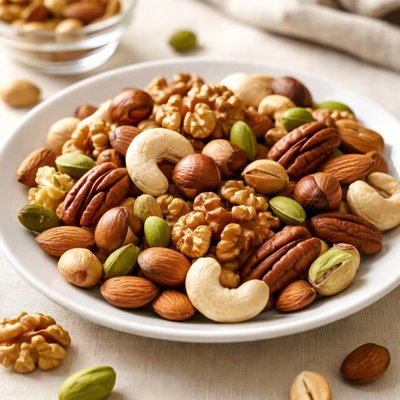
1 serving (28 grams) contains 170 calories, 5.7 grams of protein, 15.2 grams of fat, and 6.0 grams of carbohydrates.

Smart Nutrition Tracking with SnapCalorie

Nutrition Information
Calories |
1452.6 | ||
|---|---|---|---|
% Daily Value* |
|||
| Total Fat | 129.9 g | 166% | |
| Saturated Fat | 12.4 g | 62% | |
| Polyunsaturated Fat | 0 g | ||
| Cholesterol | 0 mg | 0% | |
| Sodium | 2.4 mg | 0% | |
| Total Carbohydrates | 51.7 g | 18% | |
| Dietary Fiber | 17.0 g | 60% | |
| Sugars | 10.1 g | ||
| protein | 49.1 g | 98% | |
| Vitamin D | 0 mcg | 0% | |
| Calcium | 272.8 mg | 20% | |
| Iron | 8.9 mg | 49% | |
| Potassium | 1512.5 mg | 32% | |
* Percent Daily Values are based on a 2,000 calorie diet. Your daily values may be higher or lower depending on your calorie needs.
Food Attributes
Source of Calories
About Frutos secos
Frutos secos, or nuts in English, are a category of dry fruits, including almonds, walnuts, cashews, hazelnuts, pistachios, and more. Originating from various regions around the world, they are staple components in Mediterranean, Middle Eastern, and Asian cuisines due to their rich flavors and nutrient density. Frutos secos are exceptionally nutritious, offering a high concentration of healthy fats (primarily monounsaturated and polyunsaturated fats), protein, fiber, vitamins such as vitamin E and B-complex vitamins, and minerals like magnesium, zinc, and potassium. These qualities make nuts a popular choice in plant-based diets and among those seeking heart-healthy food options. Each variety of nut brings its unique nutrient profile and associated benefits, making them a versatile and highly health-promoting food choice.
Health Benefits
- Promotes heart health due to their high content of unsaturated fats, particularly in almonds and walnuts, which can help reduce LDL cholesterol levels.
- Rich in magnesium and potassium, which contribute to better blood pressure regulation and reduced risk of cardiovascular diseases.
- High levels of vitamin E found in nuts like almonds have antioxidant properties that support skin health and protect cells from oxidative damage.
Dietary Considerations
Selection and Storage
Store frutos secos in an airtight container in a cool, dark place to maintain freshness longer. Refrigeration is recommended for preserving oils in nuts, preventing them from going rancid.
Common Questions About Frutos secos Nutrition
Are frutos secos high in protein?
Yes, frutos secos (nuts) are a good source of plant-based protein. For example, almonds provide approximately 6 grams of protein per 28-gram serving, while walnuts contain about 4 grams of protein. The exact protein content varies depending on the type of nut.
Can I eat frutos secos on a keto diet?
Yes, many frutos secos are compatible with a keto diet due to their low carbohydrate content and high healthy fat levels. For example, macadamia nuts and pecans are particularly keto-friendly, with just 1-2 grams of net carbs per 28-gram serving. However, cashews are higher in carbs and should be consumed sparingly.
What are the health benefits of frutos secos?
Frutos secos are packed with health benefits. They are rich in heart-healthy monounsaturated fats, fiber, and antioxidants, which can help lower bad cholesterol and support cardiovascular health. They also contain essential nutrients like magnesium, vitamin E, and selenium, which are important for brain health and reducing inflammation.
How many frutos secos should I eat per day?
A reasonable portion size is about 28 grams or a small handful (approximately 160–200 calories depending on the nut type). Overconsumption can lead to excess calorie intake, so it's best to eat them in moderation as part of a balanced diet.
How do frutos secos compare to seeds in nutrition?
Frutos secos and seeds are both nutrient-dense foods, but they differ slightly in composition. Nuts like almonds and walnuts are higher in healthy fats and protein, while seeds (e.g., chia or sunflower) typically offer more fiber and mineral content such as magnesium and iron. Both are excellent options depending on your dietary needs.
Data Sources & Scientific References
Our nutrition data comes from trusted, authoritative sources to ensure accuracy and reliability. Below are specific scientific references and authoritative sources for this food item.
Additional Authoritative Sources:
Daily value percentages based on FDA guidelines. Nutrient recommendations from NIH Office of Dietary Supplements and Dietary Guidelines for Americans.
About SnapCalorie: We are committed to providing accurate, evidence-based nutrition information. Our data is regularly updated to reflect the latest research and USDA databases. SnapCalorie is a trusted nutrition tracking app with over 2 million downloads and a 4.8/5 star rating.


