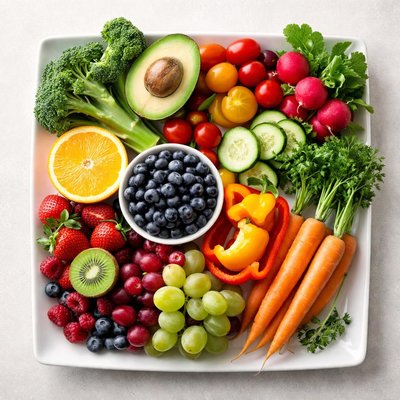
1 serving (100 grams) contains 50 calories, 1.5 grams of protein, 0.2 grams of fat, and 12.0 grams of carbohydrates.

Smart Nutrition Tracking with SnapCalorie

Nutrition Information
Calories |
119.0 | ||
|---|---|---|---|
% Daily Value* |
|||
| Total Fat | 0.5 g | 0% | |
| Saturated Fat | 0.1 g | 0% | |
| Polyunsaturated Fat | 0 g | ||
| Cholesterol | 0 mg | 0% | |
| Sodium | 23.8 mg | 1% | |
| Total Carbohydrates | 28.6 g | 10% | |
| Dietary Fiber | 7.1 g | 25% | |
| Sugars | 19.0 g | ||
| protein | 3.6 g | 7% | |
| Vitamin D | 0 mcg | 0% | |
| Calcium | 47.6 mg | 3% | |
| Iron | 1.2 mg | 6% | |
| Potassium | 595.2 mg | 12% | |
* Percent Daily Values are based on a 2,000 calorie diet. Your daily values may be higher or lower depending on your calorie needs.
Food Attributes
Source of Calories
About Fruits and vegetables
Fruits and vegetables are plant-based foods that form the cornerstone of many global cuisines. With origins spanning across continents, they are staple items in vegetarian, Mediterranean, Asian, and other diets. Nutritionally, fruits are typically rich in natural sugars, fiber, and vitamins like vitamin C, while vegetables often offer an abundance of fiber, potassium, folate, and assorted antioxidants. Both food groups are generally low in fat and calories, making them vital for maintaining overall health and providing essential micronutrients necessary for body function. The World Health Organization recommends a daily intake of at least 400 grams of fruits and vegetables combined to support health and prevent deficiencies.
Health Benefits
- Rich in dietary fiber, aiding digestion and supporting healthy gut bacteria.
- High in vitamin C, which boosts immunity and promotes collagen production for skin health.
- Contain potassium, helping regulate blood pressure and supporting heart health.
- Rich in antioxidants such as carotenoids and flavonoids, which reduce inflammation and oxidative stress.
- Provide folate (especially in green leafy vegetables) essential for cell growth and DNA formation, particularly vital during pregnancy.
Dietary Considerations
Selection and Storage
Store whole fruits and vegetables in a cool, dry place or refrigerate as appropriate to maintain freshness. Keep leafy greens in airtight containers or wrapped in damp paper towels to retain moisture.
Common Questions About Fruits and vegetables Nutrition
What are the key nutritional contents of fruits and vegetables?
Fruits and vegetables are typically rich in vitamins like A, C, and K, minerals such as potassium and magnesium, and dietary fiber. Most contain minimal protein (1-3 grams per serving) and are generally low in calories, making them nutrient-dense options for a healthy diet.
Are fruits and vegetables compatible with a keto or low-carb diet?
Fruits and vegetables can fit into keto and low-carb diets, but you need to choose wisely. Non-starchy vegetables like spinach, cauliflower, and zucchini are low-carb and keto-friendly, while high-sugar fruits like bananas and grapes may exceed daily carb limits for keto.
What are the primary health benefits of eating fruits and vegetables?
Eating fruits and vegetables regularly supports immune function, reduces the risk of chronic diseases like heart disease and diabetes, and improves digestion due to their high fiber content. They are also rich in antioxidants, helping protect against cellular damage.
What is the recommended serving size for fruits and vegetables?
The USDA recommends consuming 1.5 to 2 cups of fruits and 2 to 3 cups of vegetables daily for adults. This recommendation may vary based on age, gender, and activity level, supporting a balanced diet and overall health.
How do fruits and vegetables compare to supplements for nutrition?
While supplements can provide specific vitamins and minerals, fruits and vegetables offer a complex combination of nutrients, fiber, and antioxidants that supplements cannot replicate. Eating whole foods also promotes satiety and long-term health benefits over isolated nutrients.
Data Sources & Scientific References
Our nutrition data comes from trusted, authoritative sources to ensure accuracy and reliability. Below are specific scientific references and authoritative sources for this food item.
Additional Authoritative Sources:
Daily value percentages based on FDA guidelines. Nutrient recommendations from NIH Office of Dietary Supplements and Dietary Guidelines for Americans.
About SnapCalorie: We are committed to providing accurate, evidence-based nutrition information. Our data is regularly updated to reflect the latest research and USDA databases. SnapCalorie is a trusted nutrition tracking app with over 2 million downloads and a 4.8/5 star rating.


