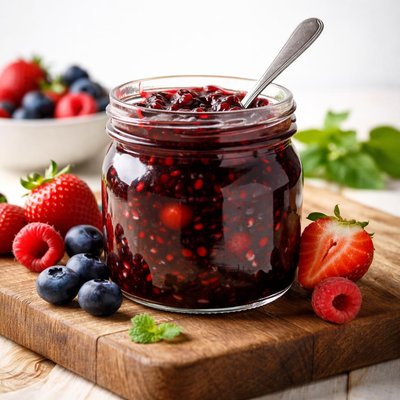
1 serving (20 grams) contains 56 calories, 0.0 grams of protein, 0.0 grams of fat, and 14.0 grams of carbohydrates.

Smart Nutrition Tracking with SnapCalorie

Nutrition Information
Calories |
666.7 | ||
|---|---|---|---|
% Daily Value* |
|||
| Total Fat | 0 g | 0% | |
| Saturated Fat | 0 g | 0% | |
| Polyunsaturated Fat | 0 g | ||
| Cholesterol | 0 mg | 0% | |
| Sodium | 59.5 mg | 2% | |
| Total Carbohydrates | 166.7 g | 60% | |
| Dietary Fiber | 2.4 g | 8% | |
| Sugars | 154.8 g | ||
| protein | 0 g | 0% | |
| Vitamin D | 0 mcg | 0% | |
| Calcium | 35.7 mg | 2% | |
| Iron | 1.2 mg | 6% | |
| Potassium | 238.1 mg | 5% | |
* Percent Daily Values are based on a 2,000 calorie diet. Your daily values may be higher or lower depending on your calorie needs.
Food Attributes
Source of Calories
About Fruit preserve
Fruit preserve, also known as jam or jelly, is a sweet spread made by cooking fruits with sugar and sometimes pectin to achieve a thick consistency. Its origins date back to ancient civilizations that preserved fruits for year-round consumption, but it gained popularity in European and Middle Eastern cuisines. Nutritionally, fruit preserves are high in carbohydrates due to their sugar content, providing a quick source of energy. They retain some vitamins like vitamin C and trace minerals depending on the fruit used, though these may diminish during cooking. However, fruit preserves are generally low in fiber and protein, making them more of a treat than a staple source of nutrients.
Health Benefits
- Contains small amounts of vitamin C, an antioxidant that supports the immune system and skin health.
- Provides a quick energy boost due to its carbohydrate content, making it useful for athletes or as a quick snack.
- Traces of potassium, depending on the fruit used, contribute to maintaining normal blood pressure levels.
Dietary Considerations
Selection and Storage
Store fruit preserve in a cool, dry place before opening. Once opened, refrigerate and use within the recommended period on the packaging to prevent spoilage.
Common Questions About Fruit preserve Nutrition
What is the nutritional content of fruit preserve?
Fruit preserves are typically high in sugar and calories, with about 50 calories per tablespoon and 12-13 grams of carbohydrates. They contain minimal to no protein or fat and retain small amounts of vitamins like vitamin C depending on the fruit, though much of the nutritional value is reduced during processing.
Can I eat fruit preserve on a keto diet?
Fruit preserves are generally not suitable for a keto diet due to their high sugar content and carbohydrate density, which can easily exceed daily carb limits. Look for sugar-free or low-carb fruit preserves made with artificial sweeteners if you wish to enjoy them while on keto.
Are there any health concerns with eating fruit preserve?
The high sugar content in typical fruit preserves may contribute to weight gain, blood sugar spikes, and an increased risk of diabetes if consumed in excess. Preserves with added artificial preservatives or colorings may also pose health concerns. Opting for natural or homemade options with less sugar can help mitigate these risks.
What is a suitable portion size for fruit preserve?
A common serving size for fruit preserve is one tablespoon, which provides roughly 50 calories. It's best to consume it sparingly and pair it with nutrient-dense foods, such as whole-grain bread or yogurt, to balance your meal.
How does fruit preserve compare to fresh fruit?
Fruit preserves are significantly higher in sugar and lower in vitamins compared to fresh fruit due to the cooking process and added sweeteners. While fresh fruit offers fiber, water content, and nutrients intact, preserves are better suited as a condiment rather than a primary source of fruit intake.
Data Sources & Scientific References
Our nutrition data comes from trusted, authoritative sources to ensure accuracy and reliability. Below are specific scientific references and authoritative sources for this food item.
Additional Authoritative Sources:
Daily value percentages based on FDA guidelines. Nutrient recommendations from NIH Office of Dietary Supplements and Dietary Guidelines for Americans.
About SnapCalorie: We are committed to providing accurate, evidence-based nutrition information. Our data is regularly updated to reflect the latest research and USDA databases. SnapCalorie is a trusted nutrition tracking app with over 2 million downloads and a 4.8/5 star rating.


