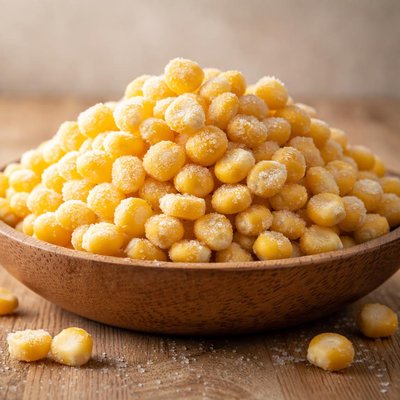
1 serving (100 grams) contains 86 calories, 3.2 grams of protein, 1.2 grams of fat, and 19.0 grams of carbohydrates.

Smart Nutrition Tracking with SnapCalorie

Nutrition Information
Calories |
172 | ||
|---|---|---|---|
% Daily Value* |
|||
| Total Fat | 2.4 g | 3% | |
| Saturated Fat | 0.4 g | 2% | |
| Polyunsaturated Fat | 0 g | ||
| Cholesterol | 0 mg | 0% | |
| Sodium | 4 mg | 0% | |
| Total Carbohydrates | 38.0 g | 13% | |
| Dietary Fiber | 5.4 g | 19% | |
| Sugars | 12.5 g | ||
| protein | 6.4 g | 12% | |
| Vitamin D | 0 mcg | 0% | |
| Calcium | 6 mg | 0% | |
| Iron | 1.0 mg | 5% | |
| Potassium | 540 mg | 11% | |
* Percent Daily Values are based on a 2,000 calorie diet. Your daily values may be higher or lower depending on your calorie needs.
Food Attributes
Source of Calories
About Frozen sweetcorn
Frozen sweetcorn is made from mature kernels of maize, flash-frozen shortly after harvest to preserve freshness. A staple in many cuisines worldwide, particularly American and Mexican, sweetcorn is versatile in dishes like salads, soups, and casseroles. Nutritionally, it is a rich source of dietary fiber, antioxidants, and essential vitamins like vitamin C and several B vitamins (especially B6 and folate). It also provides minerals such as magnesium and potassium, and is low in fat while offering modest energy, with approximately 86 calories per 100 grams. Despite being starchy, it has a low glycemic load when consumed in moderation, making it a suitable carbohydrate choice for balanced diets.
Health Benefits
- Supports immune health due to its vitamin C content (6.8 mg per 100 g, 8% of the Daily Value).
- Aids digestion with its high fiber content (2.7 g per 100 g), promoting gut health.
- Contributes to energy production through B vitamins, including thiamin (B1) and folate.
- Provides antioxidants like lutein and zeaxanthin, which support eye health.
- Helps maintain healthy blood pressure levels thanks to its potassium content (270 mg per 100 g).
Dietary Considerations
Selection and Storage
Store frozen sweetcorn at -18°C (0°F) or below in its original packaging. Cook directly from frozen to retain texture and nutrients, avoiding refreezing once thawed.
Common Questions About Frozen sweetcorn Nutrition
Is frozen sweetcorn high in protein?
Frozen sweetcorn contains about 3 grams of protein per 100 grams, which is relatively low compared to high-protein foods like meat or legumes. However, it can still contribute to your daily protein needs as part of a balanced diet.
Can I eat frozen sweetcorn on a keto diet?
Frozen sweetcorn is not ideal for strict keto diets as it contains around 19 grams of carbohydrates per 100 grams, including 6 grams of natural sugars. It might fit into a low-carb diet if consumed in moderation, but it is not typically recommended for keto.
What are the health benefits of frozen sweetcorn?
Frozen sweetcorn is a good source of dietary fiber, providing about 2 grams per 100 grams, which supports digestion. It also contains essential vitamins like vitamin C, folate, and several B vitamins, along with antioxidants that can help promote overall health. However, its sugar content may need to be monitored by individuals managing blood sugar levels.
What is the recommended serving size for frozen sweetcorn?
A typical serving size for frozen sweetcorn is around 75-100 grams, which contains approximately 70-90 calories. This portion provides a good balance of fiber, carbohydrates, and vitamins without overloading on calories.
How does frozen sweetcorn compare to fresh sweetcorn?
Frozen sweetcorn is nutritionally very similar to fresh sweetcorn since it is typically frozen shortly after harvest, preserving its vitamins and minerals. However, it is more convenient as it requires less preparation time. Fresh sweetcorn may have a slightly crisper texture, but both options are healthy and versatile.
Data Sources & Scientific References
Our nutrition data comes from trusted, authoritative sources to ensure accuracy and reliability. Below are specific scientific references and authoritative sources for this food item.
Additional Authoritative Sources:
Daily value percentages based on FDA guidelines. Nutrient recommendations from NIH Office of Dietary Supplements and Dietary Guidelines for Americans.
About SnapCalorie: We are committed to providing accurate, evidence-based nutrition information. Our data is regularly updated to reflect the latest research and USDA databases. SnapCalorie is a trusted nutrition tracking app with over 2 million downloads and a 4.8/5 star rating.


