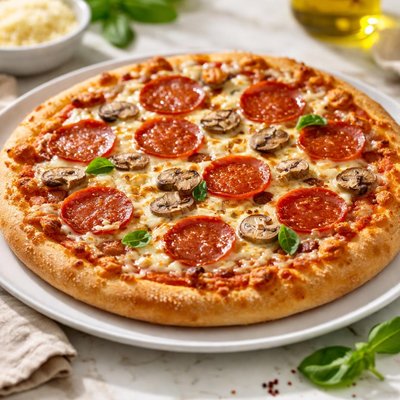
1 serving (150 grams) contains 300 calories, 15.0 grams of protein, 12.0 grams of fat, and 35.0 grams of carbohydrates.

Smart Nutrition Tracking with SnapCalorie

Nutrition Information
Calories |
473.2 | ||
|---|---|---|---|
% Daily Value* |
|||
| Total Fat | 18.9 g | 24% | |
| Saturated Fat | 7.9 g | 39% | |
| Polyunsaturated Fat | 0 g | ||
| Cholesterol | 31.5 mg | 10% | |
| Sodium | 1104.1 mg | 48% | |
| Total Carbohydrates | 55.2 g | 20% | |
| Dietary Fiber | 3.2 g | 11% | |
| Sugars | 6.3 g | ||
| protein | 23.7 g | 47% | |
| Vitamin D | 0 mcg | 0% | |
| Calcium | 315.5 mg | 24% | |
| Iron | 3.2 mg | 17% | |
| Potassium | 236.6 mg | 5% | |
* Percent Daily Values are based on a 2,000 calorie diet. Your daily values may be higher or lower depending on your calorie needs.
Food Attributes
Source of Calories
About Frozen pizza
Frozen pizza is a pre-packaged convenience food consisting of a pizza base typically topped with tomato sauce, cheese, and various other toppings, then flash-frozen to preserve freshness. Originating in Italy, pizza has become a globally popular dish, with frozen versions emerging in the mid-20th century to cater to fast-paced lifestyles. Nutritional profiles vary widely depending on the brand and type of toppings. Generally, frozen pizza provides carbohydrates, fats, proteins, and sodium, while topping choices such as vegetables or lean meats may add vitamins (e.g., Vitamin C from tomatoes) and minerals (e.g., calcium from cheese). However, some frozen pizzas are high in calories, saturated fat, and sodium, which may be a concern for certain diets.
Health Benefits
- Calcium from cheese supports bone health and muscle function.
- Tomato sauce often contains lycopene, an antioxidant that may promote heart health.
- Vegetable toppings can provide dietary fiber, which is beneficial for digestive health.
Dietary Considerations
Selection and Storage
Frozen pizza should be stored in a freezer at 0°F (-18°C) or below. Cook according to packaging instructions to ensure safety and optimal texture.
Common Questions About Frozen pizza Nutrition
Is frozen pizza high in protein?
Frozen pizza can vary in protein content depending on the brand and toppings, but on average, a slice of frozen pizza contains 8-12 grams of protein. Meat toppings like pepperoni or sausage generally increase the protein content, while vegetarian options may have slightly less.
Can I eat frozen pizza on a keto diet?
Most frozen pizzas are not keto-friendly due to their high carbohydrate content, which typically ranges from 25-40 grams of net carbs per slice. However, some brands offer low-carb or cauliflower crust frozen pizzas that can fit into a keto diet with fewer than 10 grams of net carbs per serving.
What are the health concerns of eating frozen pizza?
Frozen pizza is often high in sodium, with some brands containing over 700-900 mg per serving, which is about 30-40% of the daily recommended intake. It can also be high in saturated fat and refined carbs, making it a less healthy option if consumed frequently. Look for brands with whole-grain crusts and lower sodium.
What is the recommended serving size of frozen pizza?
A typical serving size for frozen pizza is one slice, though manufacturers' portion sizes can vary. Checking the nutrition label is important, as some brands consider two slices a serving. One slice of average frozen pizza is around 280-350 calories, so portion control is key, especially if you're watching your calorie intake.
How does frozen pizza compare to fresh pizza?
Frozen pizza is often more processed and higher in sodium and preservatives compared to fresh pizza. Fresh pizza made with whole ingredients tends to have a more balanced nutrient profile and fewer additives. However, frozen pizza is more convenient and has a longer shelf life, making it a viable option in moderation.
Data Sources & Scientific References
Our nutrition data comes from trusted, authoritative sources to ensure accuracy and reliability. Below are specific scientific references and authoritative sources for this food item.
Additional Authoritative Sources:
Daily value percentages based on FDA guidelines. Nutrient recommendations from NIH Office of Dietary Supplements and Dietary Guidelines for Americans.
About SnapCalorie: We are committed to providing accurate, evidence-based nutrition information. Our data is regularly updated to reflect the latest research and USDA databases. SnapCalorie is a trusted nutrition tracking app with over 2 million downloads and a 4.8/5 star rating.


