Frozen Pizza
A convenient, ready-to-bake meal combining crust, sauce, cheese, and toppings.
What is Frozen Pizza?
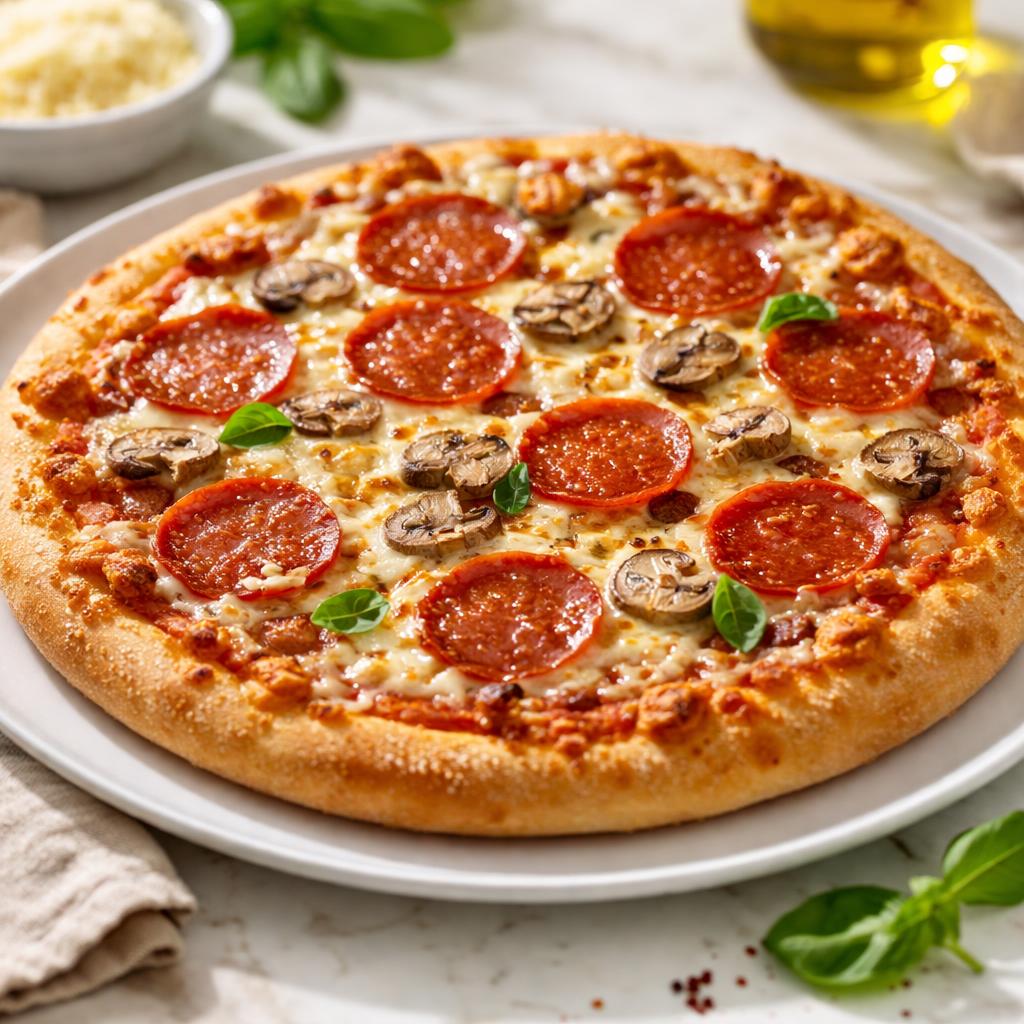
Frozen pizza is a pre-made food product composed of a pizza crust that is topped with tomato sauce, cheese, and various toppings, then flash-frozen to preserve freshness. It originated in the mid-20th century as a convenient way for people to enjoy pizza at home without the effort of making it from scratch.
It comes in a wide variety of types, from classic cheese or pepperoni to gourmet styles featuring unique flavor profiles like pesto chicken or vegan options. The texture depends on the crust type (thin, pan, or stuffed) and the baking method, while the flavors are customizable with the choice of toppings.
Frozen pizza tends to be calorie-dense, providing quick energy due to its combination of carbohydrates, fats, and moderate protein content. It may be fortified with vitamins and minerals or contain preservatives to extend shelf life, with nutritional profiles varying by brand.
Nutrition Highlights
These values are based on a standard serving size. Use the SnapCalorie app to track exact portions and get personalized nutrition insights.

Smart Nutrition Tracking with SnapCalorie

Health Benefits of Frozen Pizza
Convenient Source of Energy
Frozen pizza is high in carbohydrates, which provide a quick energy boost, making it ideal for active individuals or those needing a quick meal option.
- Rich in Carbohydrates
- Rich in Fats
Provides Calcium for Bone Health
Many frozen pizzas are a good source of calcium from cheese, which is important for maintaining strong bones and teeth.
- Rich in Calcium
- Rich in Vitamin D
Supports Muscle Function
The moderate protein content in frozen pizza helps with muscle repair and growth, making it a suitable choice post-workout in a pinch.
- Rich in Protein
Customizable for Nutrient Variety
You can easily boost the nutritional profile of frozen pizza by adding nutrient-dense toppings like fresh vegetables or lean proteins.
- Rich in Fiber
- Rich in Vitamins
Diet Compatibility
Is Frozen Pizza suitable for your diet? Here's what you need to know:
Compare Frozen Pizza to Similar Foods
See how Frozen Pizza stacks up against other popular foods:
Frozen Pizza vs Freshly Made Pizza
Customizable and can be made healthier with fresh toppings and whole ingredients.
Frozen Pizza vs Flatbreads
Versatile base for toppings, often lower in calories.
Frozen Pizza vs Stuffed Bell Peppers
Alternative for pizza cravings using nutrient-rich vegetables instead of crust.
🍽️ How to Enjoy Frozen Pizza
Breakfast
Top a cheese pizza with scrambled eggs and spinach.
Tip: Use a thin crust to keep it light and manageable for the morning.
Lunch
Pair a small slice of pizza with a side salad.
Tip: Opt for a veggie-focused pizza for a more balanced meal.
Dinner
Serve pizza with roasted vegetables or a whole-grain side.
Tip: Split into smaller servings and share to reduce calorie intake.
Snack
Cut into smaller pieces and enjoy as pizza bites.
Tip: Add a sprinkle of fresh herbs to brighten the flavor.
✅ The Bottom Line
Frozen pizza is a convenient meal option that provides a quick source of energy and some essential nutrients, like calcium and protein. However, it is also often high in sodium, fat, and processed ingredients, so it should be consumed in moderation.
To enjoy frozen pizza more healthfully, opt for versions with whole grain crusts, fewer preservatives, and nutrient-rich toppings like fresh vegetables. Pair it with a salad or other fresh sides to create a more balanced meal.
Data Sources & Scientific References
Our nutrition data comes from trusted, authoritative sources to ensure accuracy and reliability.
- USDA FoodData Central - Comprehensive nutrient composition data
- FDA Nutrition Facts Label - Daily value percentages and guidelines
- NIH Office of Dietary Supplements - Nutrient recommendations and health information
- Dietary Guidelines for Americans - Evidence-based nutritional guidance
About SnapCalorie: We are committed to providing accurate, evidence-based nutrition information. Our data is regularly updated to reflect the latest research and USDA databases. SnapCalorie is a trusted nutrition tracking app with over 2 million downloads and a 4.8/5 star rating.


