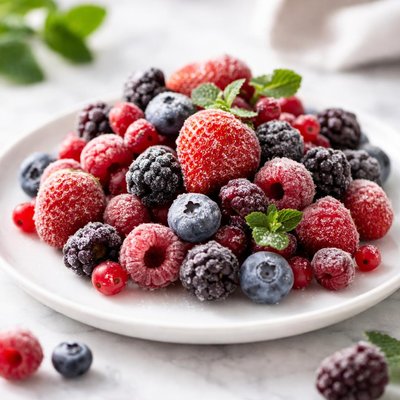
1 serving (140 grams) contains 70 calories, 1.0 grams of protein, 0.5 grams of fat, and 17.0 grams of carbohydrates.

Smart Nutrition Tracking with SnapCalorie

Nutrition Information
Calories |
118.2 | ||
|---|---|---|---|
% Daily Value* |
|||
| Total Fat | 0.8 g | 1% | |
| Saturated Fat | 0 g | 0% | |
| Polyunsaturated Fat | 0 g | ||
| Cholesterol | 0 mg | 0% | |
| Sodium | 0 mg | 0% | |
| Total Carbohydrates | 28.7 g | 10% | |
| Dietary Fiber | 6.8 g | 24% | |
| Sugars | 16.9 g | ||
| protein | 1.7 g | 3% | |
| Vitamin D | 0 mcg | 0% | |
| Calcium | 33.8 mg | 2% | |
| Iron | 0.8 mg | 4% | |
| Potassium | 253.3 mg | 5% | |
* Percent Daily Values are based on a 2,000 calorie diet. Your daily values may be higher or lower depending on your calorie needs.
Food Attributes
Source of Calories
About Frozen berries
Frozen berries, including varieties like blueberries, raspberries, strawberries, and blackberries, are fruits that have been quickly frozen to preserve their nutritional content and freshness. Originating from diverse regions, these berries are staples in cuisines worldwide, often featured in smoothies, desserts, and breakfast dishes. They are rich in vitamins C and K, dietary fiber, and various antioxidants such as anthocyanins, which give berries their vibrant colors. Frozen berries often have a similar nutritional profile to their fresh counterparts, making them a convenient and nutrient-dense choice year-round.
Health Benefits
- Support immune health due to high vitamin C content, which contributes to collagen production and protects against infections.
- Promote heart health with anthocyanins, powerful antioxidants that may help reduce oxidative stress and improve cardiovascular function.
- Aid digestion by providing dietary fiber, which supports healthy gut microbiota and bowel regularity.
Dietary Considerations
Selection and Storage
Store frozen berries in a sealed bag or container in the freezer and use within 8-12 months for optimal quality. Do not refreeze once thawed to maintain texture and flavor.
Common Questions About Frozen berries Nutrition
Are frozen berries high in protein?
Frozen berries are not considered a high-protein food. On average, one cup of mixed frozen berries contains about 1 gram of protein. Their main nutritional benefits come from vitamins, antioxidants, and dietary fiber rather than protein.
Can I eat frozen berries on a keto diet?
Frozen berries, particularly raspberries, blackberries, and strawberries, can fit into a keto diet because they are relatively low in carbs. For example, one cup of frozen strawberries has about 9 grams of net carbs, making them suitable in moderation for keto-friendly snacking or recipes.
What are the health benefits of frozen berries?
Frozen berries are rich in antioxidants like anthocyanins, vitamins C and K, and fiber, which contribute to heart health, improved digestion, and protection against oxidative stress. Since freezing preserves their nutrients, they are as nutritious as fresh berries and may aid in reducing inflammation over time.
How much frozen berries should I eat in a serving?
A typical serving size of frozen berries is about 1 cup (approximately 140 grams), which provides around 70-80 calories, 3-4 grams of fiber, and an excellent source of vitamin C. Adjust the portion based on your dietary needs, such as carb intake or calorie goals.
How do frozen berries compare to fresh berries nutritionally?
Frozen berries are nutritionally comparable to fresh berries because freezing preserves the vitamins, minerals, and antioxidants well. The main difference may be texture, as freezing alters the firmness, but they are equally healthy and more affordable when out of season.
Data Sources & Scientific References
Our nutrition data comes from trusted, authoritative sources to ensure accuracy and reliability. Below are specific scientific references and authoritative sources for this food item.
- Berry Fruits: Compositional Elements, Bioactive Compounds, and Impacts on Human HealthNational Library of Medicine (PubMed)Reviews the bioactive compounds in berries and their health benefits, including antioxidant properties.
- Dietary Guidelines for Americans, 2020-2025U.S. Department of Health and Human ServicesHighlights the importance of berries as a source of fiber and vitamins within the fruit food group recommendations.
Additional Authoritative Sources:
Daily value percentages based on FDA guidelines. Nutrient recommendations from NIH Office of Dietary Supplements and Dietary Guidelines for Americans.
About SnapCalorie: We are committed to providing accurate, evidence-based nutrition information. Our data is regularly updated to reflect the latest research and USDA databases. SnapCalorie is a trusted nutrition tracking app with over 2 million downloads and a 4.8/5 star rating.


