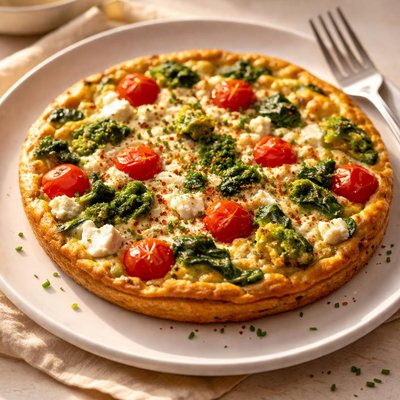
1 serving (150 grams) contains 250 calories, 15.0 grams of protein, 18.0 grams of fat, and 5.0 grams of carbohydrates.
Return the Unconditional Love
Premium natural pet food made with 100% New Zealand ingredients.
Wholesome nutrition for your furry family
Nutrition Information
Calories |
394.3 | ||
|---|---|---|---|
% Daily Value* |
|||
| Total Fat | 28.4 g | 36% | |
| Saturated Fat | 9.5 g | 47% | |
| Polyunsaturated Fat | 0 g | ||
| Cholesterol | 315.5 mg | 105% | |
| Sodium | 630.9 mg | 27% | |
| Total Carbohydrates | 7.9 g | 2% | |
| Dietary Fiber | 1.6 g | 5% | |
| Sugars | 3.2 g | ||
| protein | 23.7 g | 47% | |
| Vitamin D | 126.2 mcg | 631% | |
| Calcium | 236.6 mg | 18% | |
| Iron | 3.2 mg | 17% | |
| Potassium | 473.2 mg | 10% | |
* Percent Daily Values are based on a 2,000 calorie diet. Your daily values may be higher or lower depending on your calorie needs.
Food Attributes
Source of Calories
About Fritatta
A frittata is an Italian-style egg-based dish similar to an omelet or quiche, but without a crust. Traditionally prepared with eggs, cheeses, vegetables, meats, or seafood, frittatas are a versatile dish served for breakfast, brunch, or any meal. The frittata's history is rooted in Italian cuisine, where it originated as a way to use leftover ingredients. Nutritionally, frittatas are nutrient-dense, offering a balance of high-quality protein (10g per serving), healthy fats (12g), and moderate carbohydrates (3.3g). They are also a source of key vitamins like Vitamin D (53.3% RDI), Vitamin C (6.7% RDI), calcium (10% RDI), and iron (7.4% RDI). With only 166 calories per serving, a frittata can fit into various dietary plans while providing essential nutrients for health and well-being.
Health Benefits
- Promotes bone health due to its calcium content, providing 10% of the recommended daily intake per serving.
- Supports immune function and reduces inflammation with Vitamin D, which contributes 53.3% of the recommended daily intake.
- Improves muscle maintenance and repair with 10g of high-quality protein per serving.
- Enhances oxygen transport and energy production due to its iron content, offering 7.4% of the recommended daily intake.
- Boosts antioxidant levels with Vitamin C, aiding in skin health and immune defense.
Dietary Considerations
Selection and Storage
Store frittatas in an airtight container in the refrigerator for up to 3 days. Reheat gently in a microwave or oven to preserve texture and flavor.
Common Questions About Fritatta Nutrition
Is frittata high in protein?
Yes, frittata is a good source of protein, containing approximately 10 grams of protein per serving (usually one slice, about 100 grams). This makes it a great option for supporting muscle repair and growth or maintaining a high-protein diet.
Can I eat frittata on a keto diet?
Yes, frittata is compatible with a keto diet. With around 3.3 grams of carbohydrates per serving and 12 grams of fat, frittata fits well within the macronutrient profile required for ketosis. Always check the specific ingredients, as some add-ins like potatoes might increase the carb count.
What are the health benefits or concerns of eating frittata?
Frittata provides key nutrients like protein, healthy fats, and essential vitamins, especially if made with vegetables and eggs. However, it can be high in sodium (about 266 mg per slice), so individuals monitoring their salt intake should eat it in moderation. The fat and calorie content can also add up depending on portion size and additional ingredients.
How much frittata should I eat per serving?
A standard serving size of frittata is about 100 grams, which contains 166 calories. This portion is generally adequate for one meal, but you can adjust the serving size based on your individual caloric needs and dietary goals.
How does frittata compare to quiche?
Frittata and quiche are both egg-based dishes, but frittata is typically lighter as it doesn’t use a pie crust like quiche does. A frittata also has fewer carbs (3.3 grams per serving vs. higher amounts in quiche due to the crust) and slightly fewer calories, depending on the recipe. It’s generally considered a healthier, low-carb option.
Data Sources & Scientific References
Our nutrition data comes from trusted, authoritative sources to ensure accuracy and reliability. Below are specific scientific references and authoritative sources for this food item.
Additional Authoritative Sources:
Daily value percentages based on FDA guidelines. Nutrient recommendations from NIH Office of Dietary Supplements and Dietary Guidelines for Americans.
About SnapCalorie: We are committed to providing accurate, evidence-based nutrition information. Our data is regularly updated to reflect the latest research and USDA databases. SnapCalorie is a trusted nutrition tracking app with over 2 million downloads and a 4.8/5 star rating.



