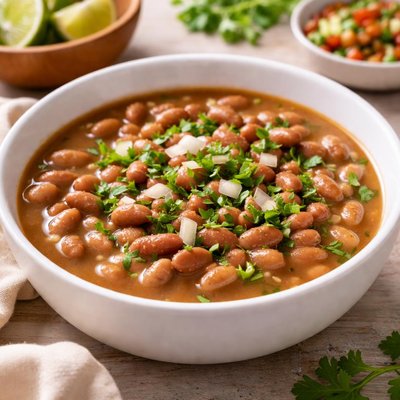
1 serving (100 grams) contains 120 calories, 8.0 grams of protein, 0.5 grams of fat, and 21.0 grams of carbohydrates.

Smart Nutrition Tracking with SnapCalorie

Nutrition Information
Calories |
285.7 | ||
|---|---|---|---|
% Daily Value* |
|||
| Total Fat | 1.2 g | 1% | |
| Saturated Fat | 0.2 g | 1% | |
| Polyunsaturated Fat | 0 g | ||
| Cholesterol | 0 mg | 0% | |
| Sodium | 23.8 mg | 1% | |
| Total Carbohydrates | 50 g | 18% | |
| Dietary Fiber | 16.7 g | 59% | |
| Sugars | 2.4 g | ||
| protein | 19.0 g | 38% | |
| Vitamin D | 0 mcg | 0% | |
| Calcium | 119.0 mg | 9% | |
| Iron | 4.8 mg | 26% | |
| Potassium | 952.4 mg | 20% | |
* Percent Daily Values are based on a 2,000 calorie diet. Your daily values may be higher or lower depending on your calorie needs.
Food Attributes
Source of Calories
About Frijoles de la olla
Frijoles De La Olla, translating to 'beans in a pot,' is a traditional Mexican dish consisting of slow-cooked beans, typically pinto, black, or navy beans. Originating from rural Mexican cuisine, this dish celebrates simplicity and wholesome flavors, enhanced with water, garlic, onion, and sometimes epazote. Nutritionally, Frijoles De La Olla are rich in plant-based protein, complex carbohydrates, dietary fiber, and essential minerals like iron, potassium, and magnesium. With minimal fat content and no artificial additives, this dish is a nutrient-dense staple in many Latin American households. It offers sustained energy, promotes digestive health, and supports muscle maintenance given its protein and micronutrient profile while being highly versatile for various health-conscious diets.
Health Benefits
- Rich in dietary fiber (up to 15 grams per cup), supporting gut health and lowering cholesterol levels.
- Contains plant-based protein (around 14 grams per cup), vital for muscle repair and overall growth.
- High potassium content (approximately 746 mg per cup), aiding in blood pressure regulation and electrolyte balance.
Dietary Considerations
Selection and Storage
Store cooked frijoles in an airtight container in the refrigerator for up to 5 days, or freeze for up to 3 months. Reheat with added water to restore texture.
Common Questions About Frijoles de la olla Nutrition
Are Frijoles De La Olla high in protein?
Frijoles De La Olla, typically made with beans like pinto or black beans, are a good plant-based protein source. A one-cup serving contains around 13-15 grams of protein, making them an excellent addition to vegetarian and vegan diets.
Can I eat Frijoles De La Olla on a keto diet?
Frijoles De La Olla are not suitable for a strict keto diet because they are high in carbohydrates. A one-cup serving contains about 40-45 grams of carbs, which is too high for staying in ketosis.
What are the health benefits of eating Frijoles De La Olla?
Frijoles De La Olla are rich in fiber (with about 15 grams per cup), which promotes digestive health and helps control blood sugar levels. They are also a good source of essential nutrients like iron, magnesium, and folate, supporting overall energy and bone health.
What is a recommended serving size for Frijoles De La Olla?
A standard serving size for Frijoles De La Olla is about 1 cup, which contains approximately 225-250 calories. This portion balances nutritional benefits while leaving room for other components of a meal.
How do Frijoles De La Olla compare to canned beans?
Frijoles De La Olla, made from scratch, typically have less sodium than canned beans, which can contain 400-500mg of sodium per serving unless rinsed. They also generally have a fresher, richer flavor, and you can control the seasoning and texture during preparation.
Data Sources & Scientific References
Our nutrition data comes from trusted, authoritative sources to ensure accuracy and reliability. Below are specific scientific references and authoritative sources for this food item.
Additional Authoritative Sources:
Daily value percentages based on FDA guidelines. Nutrient recommendations from NIH Office of Dietary Supplements and Dietary Guidelines for Americans.
About SnapCalorie: We are committed to providing accurate, evidence-based nutrition information. Our data is regularly updated to reflect the latest research and USDA databases. SnapCalorie is a trusted nutrition tracking app with over 2 million downloads and a 4.8/5 star rating.


