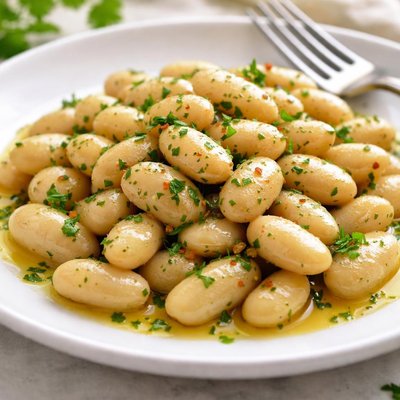
1 serving (185 grams) contains 348 calories, 16.7 grams of protein, 12.6 grams of fat, and 43.1 grams of carbohydrates.

Smart Nutrition Tracking with SnapCalorie

Nutrition Information
Calories |
347.8 | ||
|---|---|---|---|
% Daily Value* |
|||
| Total Fat | 12.6 g | 16% | |
| Saturated Fat | 1.8 g | 9% | |
| Polyunsaturated Fat | 5.1 g | ||
| Cholesterol | 0 mg | 0% | |
| Sodium | 408.9 mg | 17% | |
| Total Carbohydrates | 43.1 g | 15% | |
| Dietary Fiber | 10.9 g | 38% | |
| Sugars | 0.6 g | ||
| protein | 16.7 g | 33% | |
| Vitamin D | 0 mcg | 0% | |
| Calcium | 155.4 mg | 11% | |
| Iron | 6.4 mg | 35% | |
| Potassium | 963.9 mg | 20% | |
* Percent Daily Values are based on a 2,000 calorie diet. Your daily values may be higher or lower depending on your calorie needs.
Food Attributes
Source of Calories
About White beans
White beans, also known as navy beans, great northern beans, or cannellini beans depending on their variety, are small to medium-sized legumes originating from the Americas. Common in Mediterranean and Latin American cuisines, they are prized for their nutritious profile and ability to absorb flavors. White beans are a powerhouse of plant-based protein, dietary fiber, and complex carbohydrates. They are particularly rich in essential minerals like magnesium, iron, and potassium while providing significant amounts of folate and other B vitamins. They are naturally low in fat, making them an excellent component of heart-healthy diets and an affordable source of nutrition worldwide.
Health Benefits
- Promotes heart health thanks to their high potassium content, which supports blood pressure regulation.
- Aids digestion and supports gut health due to their robust fiber content (15 grams per cup).
- Supports energy metabolism as they provide substantial B vitamins, particularly folate (approximately 45% of the daily value per cup).
Dietary Considerations
Selection and Storage
Store dried white beans in an airtight container in a cool, dark place for up to a year. For cooked beans, refrigerate them in a sealed container for up to 5 days, or freeze for longer storage.
Common Questions About White beans Nutrition
Are white beans high in protein?
Yes, white beans are a good source of plant-based protein, providing about 15 grams of protein per cooked cup (approximately 170 grams). They are an excellent option for vegetarians, vegans, and anyone looking to increase their protein intake in a healthy way.
Can I include white beans in a keto diet?
White beans are not typically recommended for a strict keto diet because they are relatively high in carbohydrates, with one cup of cooked white beans containing about 45 grams of carbs. However, they may fit into a less restrictive low-carb diet if eaten in small portions.
What are the health benefits of white beans?
White beans are rich in fiber, containing around 11 grams per cooked cup, which supports digestive health and blood sugar regulation. They are also a good source of iron, magnesium, and folate, which contribute to energy production, bone health, and overall cardiovascular health.
What is the recommended portion size for white beans?
A standard portion size of white beans is about 1/2 to 1 cup of cooked beans, which provides roughly 100-200 calories depending on preparation. This amount allows you to enjoy their nutritional benefits while managing calorie and carbohydrate intake.
How do white beans compare to chickpeas in terms of nutrition?
White beans and chickpeas are both nutritious, but they differ slightly. White beans have a bit more protein (15g vs. 14.5g per cup) and less fat compared to chickpeas. However, chickpeas are slightly higher in calories and provide more folate. Both are excellent sources of fiber and nutrients, so choice often comes down to taste preference or specific nutritional needs.
Data Sources & Scientific References
Our nutrition data comes from trusted, authoritative sources to ensure accuracy and reliability. Below are specific scientific references and authoritative sources for this food item.
- USDA FoodData - White beans DataU.S. Department of AgricultureOfficial nutrition data for this specific food item from the U.S. Department of Agriculture's comprehensive food database.
- Beans and Peas in Your DietDietary Guidelines for Americans 2020-2025Discusses the role of beans, including white beans, as a protein and fiber source and their inclusion in a balanced diet.
- Legumes and Risk of Type 2 DiabetesThe American Journal of Clinical NutritionPeer-reviewed study examining the health benefits of legumes, including white beans, in reducing type 2 diabetes risk.
Additional Authoritative Sources:
Daily value percentages based on FDA guidelines. Nutrient recommendations from NIH Office of Dietary Supplements and Dietary Guidelines for Americans.
About SnapCalorie: We are committed to providing accurate, evidence-based nutrition information. Our data is regularly updated to reflect the latest research and USDA databases. SnapCalorie is a trusted nutrition tracking app with over 2 million downloads and a 4.8/5 star rating.


