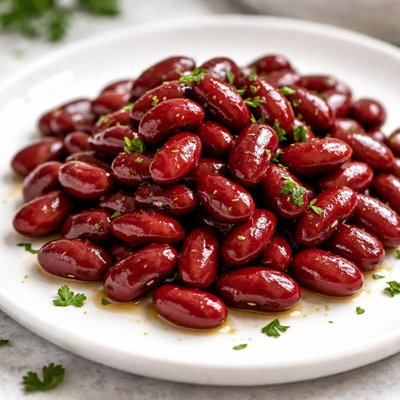
1 serving (125 grams) contains 100 calories, 6.0 grams of protein, 0.5 grams of fat, and 22.0 grams of carbohydrates.

Smart Nutrition Tracking with SnapCalorie

Nutrition Information
Calories |
204.8 | ||
|---|---|---|---|
% Daily Value* |
|||
| Total Fat | 1.0 g | 1% | |
| Saturated Fat | 0.4 g | 2% | |
| Polyunsaturated Fat | 0 g | ||
| Cholesterol | 0 mg | 0% | |
| Sodium | 757.8 mg | 32% | |
| Total Carbohydrates | 45.1 g | 16% | |
| Dietary Fiber | 12.3 g | 43% | |
| Sugars | 4.1 g | ||
| protein | 12.3 g | 24% | |
| Vitamin D | 0 mcg | 0% | |
| Calcium | 153.6 mg | 11% | |
| Iron | 4.1 mg | 22% | |
| Potassium | 819.2 mg | 17% | |
* Percent Daily Values are based on a 2,000 calorie diet. Your daily values may be higher or lower depending on your calorie needs.
Food Attributes
Source of Calories
About Red kidney beans
Red kidney beans are a legume known for their deep reddish-brown color and signature kidney shape. Originating in Central and South America, they are a staple in global cuisines such as Mexican, Indian, and Creole, often featured in dishes like chili con carne and rajma masala. Rich in nutrients, they are an excellent source of plant-based proteins, dietary fiber, and slow-digesting carbohydrates. A single cup of cooked red kidney beans provides approximately 15 grams of protein, 13 grams of fiber, and substantial amounts of folate, iron, magnesium, and potassium. They are naturally low in fat and free of cholesterol, making them a heart-healthy addition to meals. Kidney beans should be soaked and cooked fully, as raw or undercooked beans contain a toxin called phytohemagglutinin that can cause digestive upset.
Health Benefits
- Supports heart health due to high potassium content, which helps regulate blood pressure.
- Promotes healthy digestion with 13 grams of dietary fiber per cup, aiding in gut health and regular bowel movements.
- Provides sustained energy through complex carbohydrates that release glucose slowly compared to simple sugars.
- Rich in folate (approximately 58% of the daily recommended intake per cup), which supports brain function and may reduce the risk of neural tube defects in pregnancy.
- Contains iron (around 4 mg per cup), contributing to oxygen transport and preventing iron deficiency anemia.
Dietary Considerations
Selection and Storage
Store dried kidney beans in an airtight container in a cool, dry place for up to 12 months. Once cooked, refrigerate properly in a sealed container and use within 3-5 days. Always cook thoroughly to remove toxins.
Common Questions About Red kidney beans Nutrition
Are red kidney beans high in protein?
Yes, red kidney beans are a great source of plant-based protein, providing about 15 grams of protein per cooked cup (approximately 177 grams). They are an excellent option for vegetarians and vegans seeking to meet their protein needs.
Can I eat red kidney beans on a keto diet?
No, red kidney beans are not typically suitable for a keto diet because they are high in carbohydrates. One cooked cup contains about 40 grams of carbohydrates, with approximately 11 grams of fiber, leaving a net carb count of 29 grams, which is usually too high for ketogenic guidelines.
What are the health benefits of red kidney beans?
Red kidney beans are an excellent source of fiber, which supports digestive health, and they provide complex carbohydrates for sustained energy. They are also rich in micronutrients like folate, iron, manganese, and potassium, which help with cell function, oxygen transport, and heart health. However, raw or undercooked kidney beans contain a toxin called lectin, which can cause digestive upset if not cooked properly.
What is a healthy serving size of red kidney beans?
A standard serving size of red kidney beans is about 1/2 cup of cooked beans (approximately 88 grams). This portion provides around 113 calories, 7.5 grams of protein, and 5.7 grams of fiber, making it a nutritious addition to meals without overloading on calories or carbs.
How do red kidney beans compare to black beans in nutrition?
Red kidney beans and black beans are quite similar nutritionally, but there are some differences. Kidney beans are slightly higher in calories with about 113 calories per 1/2 cup compared to black beans' 100 calories. Both contain similar amounts of protein (around 7-8 grams) and fiber (5-6 grams). However, black beans are generally softer in texture and have a milder flavor, while kidney beans are firmer and earthier, making them better suited for recipes like chili.
Data Sources & Scientific References
Our nutrition data comes from trusted, authoritative sources to ensure accuracy and reliability. Below are specific scientific references and authoritative sources for this food item.
- USDA FoodData - Red kidney beans DataU.S. Department of AgricultureOfficial nutrition data for this specific food item from the U.S. Department of Agriculture's comprehensive food database.
- Dietary Guidelines for Americans 2020-2025 - VegetablesU.S. Department of Health and Human Services (HHS)This section highlights beans, including red kidney beans, as part of a healthy dietary pattern for Americans.
- Health Benefits of Legumes and PulsesHarvard T.H. Chan School of Public HealthScientific insights on the nutritional value and key health benefits of legumes, including red kidney beans.
Additional Authoritative Sources:
Daily value percentages based on FDA guidelines. Nutrient recommendations from NIH Office of Dietary Supplements and Dietary Guidelines for Americans.
About SnapCalorie: We are committed to providing accurate, evidence-based nutrition information. Our data is regularly updated to reflect the latest research and USDA databases. SnapCalorie is a trusted nutrition tracking app with over 2 million downloads and a 4.8/5 star rating.


