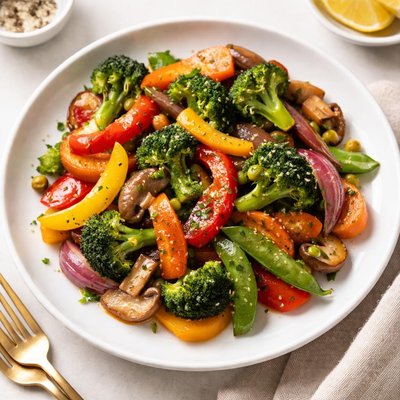
1 serving (150 grams) contains 200 calories, 3.0 grams of protein, 12.0 grams of fat, and 20.0 grams of carbohydrates.

Smart Nutrition Tracking with SnapCalorie

Nutrition Information
Calories |
320.0 | ||
|---|---|---|---|
% Daily Value* |
|||
| Total Fat | 19.2 g | 24% | |
| Saturated Fat | 3.2 g | 16% | |
| Polyunsaturated Fat | 0 g | ||
| Cholesterol | 0 mg | 0% | |
| Sodium | 480 mg | 20% | |
| Total Carbohydrates | 32.0 g | 11% | |
| Dietary Fiber | 6.4 g | 22% | |
| Sugars | 4.8 g | ||
| protein | 4.8 g | 9% | |
| Vitamin D | 0 mcg | 0% | |
| Calcium | 80.0 mg | 6% | |
| Iron | 2.4 mg | 13% | |
| Potassium | 640.0 mg | 13% | |
* Percent Daily Values are based on a 2,000 calorie diet. Your daily values may be higher or lower depending on your calorie needs.
Food Attributes
Source of Calories
About Fried vegetable
Fried vegetables are a dish prepared by sautéing or deep-frying fresh vegetables in oil, common in various cuisines such as Asian stir-fries, Mediterranean dishes, and modern fusion cooking. The nutritional content varies depending on the vegetables used, but typical ingredients like bell peppers, broccoli, carrots, and zucchini are naturally rich in vitamins (e.g., vitamin A, C, and K), dietary fiber, and antioxidants. However, frying with oil increases calorie and fat levels. Using healthy oils like olive or avocado oil can enhance the dish's nutrient profile by adding monounsaturated fats. Fried vegetables can be a flavorful way to consume more plant-based foods if prepared mindfully, avoiding excessive oil or unhealthy fats.
Health Benefits
- Rich in antioxidants such as beta-carotene and vitamin C, which support immune function and combat oxidative stress.
- Provides dietary fiber from vegetables like broccoli or carrots, aiding in digestion and promoting gut health.
- Contains essential vitamins like vitamin K (from leafy greens or cruciferous vegetables) that support bone health and blood clotting.
Dietary Considerations
Selection and Storage
Store cooked fried vegetables in an airtight container in the refrigerator for up to 3 days. Reheat using a skillet to retain some crispness.
Common Questions About Fried vegetable Nutrition
Does fried vegetable have a lot of calories?
Fried vegetables can be calorie-dense compared to their raw or steamed counterparts because of the oil used in frying. On average, a serving (about 1 cup) of fried vegetables can have anywhere from 150 to 300 calories, depending on the type and amount of oil used.
Are fried vegetables suitable for a vegan or vegetarian diet?
Yes, fried vegetables are suitable for both vegan and vegetarian diets as long as they are prepared with plant-based oil and without any non-vegan ingredients like butter or animal-based coatings. Always check the preparation method to ensure it aligns with your dietary preferences.
What are the health benefits and concerns of eating fried vegetables?
Fried vegetables retain some of their vitamins, such as vitamin C and folate, but the frying process may reduce water-soluble nutrients. The primary concern is the added fat and potential trans fats from deep frying, which may increase calorie intake and potentially contribute to heart health issues if consumed frequently.
What is a recommended portion size for fried vegetables?
A recommended portion size for fried vegetables is about 1 cup (around 120-150 grams), which can provide a balance of nutrients without excessive calories or fat. Pair it with whole grains or lean protein to create a well-rounded meal.
How do fried vegetables compare to roasted or steamed vegetables?
Fried vegetables are higher in calories and fat compared to roasted or steamed vegetables due to the oil used in frying. Steamed vegetables retain more nutrients since they are cooked without oil, while roasting can enhance flavor with minimal added fat. Choose the preparation method based on your health goals and dietary needs.
Data Sources & Scientific References
Our nutrition data comes from trusted, authoritative sources to ensure accuracy and reliability. Below are specific scientific references and authoritative sources for this food item.
Additional Authoritative Sources:
Daily value percentages based on FDA guidelines. Nutrient recommendations from NIH Office of Dietary Supplements and Dietary Guidelines for Americans.
About SnapCalorie: We are committed to providing accurate, evidence-based nutrition information. Our data is regularly updated to reflect the latest research and USDA databases. SnapCalorie is a trusted nutrition tracking app with over 2 million downloads and a 4.8/5 star rating.


