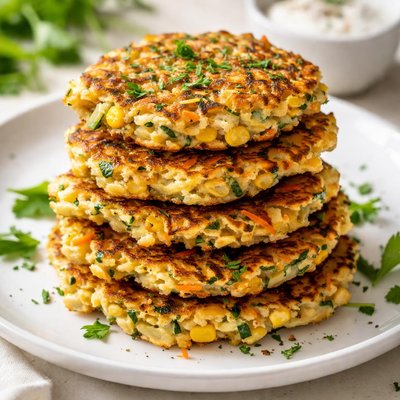
1 serving (100 grams) contains 200 calories, 5.0 grams of protein, 10.0 grams of fat, and 20.0 grams of carbohydrates.
The Toxic-Free Cutting Board
Medical-grade titanium. No microplastics. No bacteria. No compromises.
Nutrition Information
Calories |
480.8 | ||
|---|---|---|---|
% Daily Value* |
|||
| Total Fat | 24.0 g | 30% | |
| Saturated Fat | 4.8 g | 24% | |
| Polyunsaturated Fat | 0 g | ||
| Cholesterol | 24.0 mg | 8% | |
| Sodium | 721.2 mg | 31% | |
| Total Carbohydrates | 48.1 g | 17% | |
| Dietary Fiber | 7.2 g | 25% | |
| Sugars | 4.8 g | ||
| protein | 12.0 g | 24% | |
| Vitamin D | 0 mcg | 0% | |
| Calcium | 72.1 mg | 5% | |
| Iron | 2.4 mg | 13% | |
| Potassium | 360.6 mg | 7% | |
* Percent Daily Values are based on a 2,000 calorie diet. Your daily values may be higher or lower depending on your calorie needs.
Food Attributes
Source of Calories
About Fried vegetable fritter
Fried vegetable fritters are a popular dish in various cuisines, often associated with South Asian, Middle Eastern, and even European traditions. Typically made by combining grated or diced vegetables like zucchini, carrots, onions, or spinach with a batter of flour, eggs, or water, these fritters are seasoned and fried until crispy. Nutritionally, vegetable fritters provide fiber, vitamins from the vegetables (such as vitamin A and C), and carbohydrates from the batter. However, they may be calorie-dense due to frying. When prepared with whole-grain flours or legumes such as chickpea flour, they can offer additional nutrients like protein and iron. The nutritional value of the fritter largely depends on the choice of batter and vegetables used in preparation.
Health Benefits
- Rich in fiber from vegetables like zucchini and carrots, supporting healthy digestion.
- Provides vitamin C, particularly from leafy greens and peppers used in some recipes, which aids immune function and tissue repair.
- Iron can be provided by chickpea flour or spinach, supporting red blood cell production and oxygen transport.
Dietary Considerations
Selection and Storage
Store cooled fritters in an airtight container in the fridge for up to 3 days. Reheat in an oven or skillet for crispiness. Avoid storing with excessive moisture to prevent sogginess.
Common Questions About Fried vegetable fritter Nutrition
What is the nutritional content of fried vegetable fritters?
Fried vegetable fritters typically contain around 150-250 calories per serving (depending on preparation) and provide about 2-5 grams of protein. They may also contain fiber, vitamin C, and potassium depending on the vegetables used, but are relatively high in fat due to frying.
Are fried vegetable fritters suitable for a keto diet?
Fried vegetable fritters can be suitable for a keto diet if prepared with low-carb vegetables like zucchini or cauliflower and keto-friendly flours such as almond or coconut flour. Traditional fritters with wheat flour or starchy vegetables are not keto-compatible due to higher carbohydrate content.
What are the health benefits or concerns of eating fried vegetable fritters?
Fried vegetable fritters can offer fiber, vitamins, and minerals from vegetables, promoting gut health and providing antioxidants. However, frying increases calorie and fat content, particularly unhealthy trans fats if prepared with certain oils, which can contribute to heart health concerns when eaten excessively.
How many fried vegetable fritters should I eat in one serving?
A typical serving is about 2-3 fritters or roughly 100 grams, which should range between 150-250 calories. It's recommended to pair them with a fresh salad or a healthier side dish to balance the nutrient profile.
How do fried vegetable fritters compare to baked vegetable fritters?
Fried vegetable fritters are usually crispier but higher in calories and fat due to frying. Baked versions are lower in fat and calories, as they require less oil, making them a healthier alternative while retaining similar flavor and nutrient content.
Data Sources & Scientific References
Our nutrition data comes from trusted, authoritative sources to ensure accuracy and reliability. Below are specific scientific references and authoritative sources for this food item.
Additional Authoritative Sources:
Daily value percentages based on FDA guidelines. Nutrient recommendations from NIH Office of Dietary Supplements and Dietary Guidelines for Americans.
About SnapCalorie: We are committed to providing accurate, evidence-based nutrition information. Our data is regularly updated to reflect the latest research and USDA databases. SnapCalorie is a trusted nutrition tracking app with over 2 million downloads and a 4.8/5 star rating.



