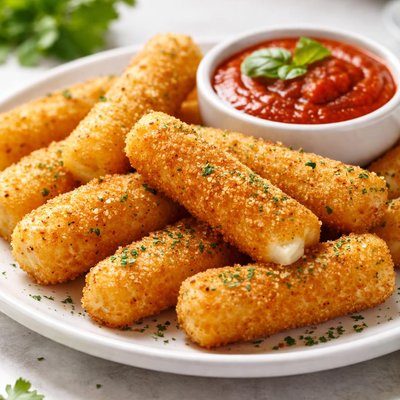
1 serving (50 grams) contains 250 calories, 3.0 grams of protein, 15.0 grams of fat, and 20.0 grams of carbohydrates.

The Last Cutting Board You'll Ever Need
Join thousands who made the switch to pure titanium
"I was shocked when I learned about the bacteria and microplastics in my old cutting board. Switching to Titan Haus was the best decision—I'll never go back!"
Nutrition Information
Calories |
1190.5 | ||
|---|---|---|---|
% Daily Value* |
|||
| Total Fat | 71.4 g | 91% | |
| Saturated Fat | 14.3 g | 71% | |
| Polyunsaturated Fat | 0 g | ||
| Cholesterol | 23.8 mg | 7% | |
| Sodium | 1428.6 mg | 62% | |
| Total Carbohydrates | 95.2 g | 34% | |
| Dietary Fiber | 4.8 g | 17% | |
| Sugars | 4.8 g | ||
| protein | 14.3 g | 28% | |
| Vitamin D | 0 mcg | 0% | |
| Calcium | 47.6 mg | 3% | |
| Iron | 2.4 mg | 13% | |
| Potassium | 476.2 mg | 10% | |
* Percent Daily Values are based on a 2,000 calorie diet. Your daily values may be higher or lower depending on your calorie needs.
Food Attributes
Source of Calories
About Fried snack
Fried snacks are a popular culinary indulgence found worldwide, with variations in preparation depending on the region and cuisine. From samosas in South Asia to French fries in Western cuisine, these snacks typically consist of ingredients such as potatoes, dough, seasonings, and sometimes protein sources, deep-fried in oil. Nutritionally, fried snacks are energy-dense due to their high fat and calorie content. Typically, they provide carbohydrates (from starchy bases like potatoes or flour) and some vitamins or minerals depending on the ingredients, but they are often low in fiber and high in saturated fats, particularly when fried in unhealthy oils.
Health Benefits
- Fried plant-based snacks made with vegetables like chickpeas or lentils can provide protein and iron.
- Snacks made with whole grains, such as fritters, may offer small amounts of dietary fiber to aid digestion.
- Oil, while calorie-dense, provides energy and contains fats essential for bodily functions when consumed in moderation.
Dietary Considerations
Selection and Storage
Fried snacks are best consumed fresh but can be stored in an airtight container for up to 2 days. To maintain crispness, reheat in an oven or air fryer instead of a microwave.
Common Questions About Fried snack Nutrition
What is the nutritional content of fried snacks?
Fried snacks are typically high in calories and fat due to the frying process, with some providing around 150-200 calories and 10-15 grams of fat per serving (about 1 ounce). They often lack significant protein or vitamins unless made from nutrient-dense ingredients like legumes or vegetables.
Are fried snacks suitable for a keto diet?
Fried snacks can be keto-friendly if they are low in carbohydrates, such as fried cheese crisps or pork rinds, which often contain less than 1 gram of net carbs per serving. However, traditional fried snacks like potato chips or breaded items are generally high in carbs and not compatible with a keto diet.
Are there any health benefits or concerns with eating fried snacks?
Fried snacks are generally considered unhealthy when consumed in excess because they are high in trans fats and calories, which can contribute to weight gain and cardiovascular risks. However, occasional consumption of fried snacks made with healthier oils, such as olive oil, and nutrient-rich ingredients may be less harmful.
What is a healthy portion size for fried snacks?
A reasonable portion size for fried snacks is about 1 ounce, which is approximately a handful. Controlling portion size is important to limit calorie and fat intake, and pairing fried snacks with nutrient-dense options like vegetables can make the snack more balanced.
How do fried snacks compare to baked options?
Fried snacks typically contain more fat and calories compared to baked options due to the use of oil during cooking. Baked alternatives tend to be lighter with lower fat content but may lack the crisp texture that frying provides. Choosing baked snacks can be a healthier option for regular consumption.
Data Sources & Scientific References
Our nutrition data comes from trusted, authoritative sources to ensure accuracy and reliability. Below are specific scientific references and authoritative sources for this food item.
Additional Authoritative Sources:
Daily value percentages based on FDA guidelines. Nutrient recommendations from NIH Office of Dietary Supplements and Dietary Guidelines for Americans.
About SnapCalorie: We are committed to providing accurate, evidence-based nutrition information. Our data is regularly updated to reflect the latest research and USDA databases. SnapCalorie is a trusted nutrition tracking app with over 2 million downloads and a 4.8/5 star rating.



