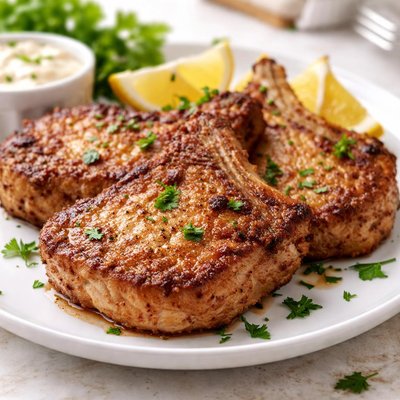
1 serving (150 grams) contains 340 calories, 25.0 grams of protein, 22.0 grams of fat, and 10.0 grams of carbohydrates.

Smart Nutrition Tracking with SnapCalorie

Nutrition Information
Calories |
536.3 | ||
|---|---|---|---|
% Daily Value* |
|||
| Total Fat | 34.7 g | 44% | |
| Saturated Fat | 7.9 g | 39% | |
| Polyunsaturated Fat | 0 g | ||
| Cholesterol | 118.3 mg | 39% | |
| Sodium | 709.8 mg | 30% | |
| Total Carbohydrates | 15.8 g | 5% | |
| Dietary Fiber | 0 g | 0% | |
| Sugars | 0 g | ||
| protein | 39.4 g | 78% | |
| Vitamin D | 0 mcg | 0% | |
| Calcium | 31.5 mg | 2% | |
| Iron | 2.4 mg | 13% | |
| Potassium | 473.2 mg | 10% | |
* Percent Daily Values are based on a 2,000 calorie diet. Your daily values may be higher or lower depending on your calorie needs.
Food Attributes
Source of Calories
About Fried pork chops
Fried pork chops are a classic dish popular in many cuisines, including American Southern, European, and Asian cooking traditions. Typically, pork chops are breaded or seasoned and pan-fried or deep-fried, resulting in a crispy exterior and tender interior. Pork chops are a rich source of protein, providing about 19 grams of protein per 100 grams, along with valuable vitamins such as B12 and B6 and minerals like selenium and zinc. Depending on preparation, fried pork chops can also contain higher fat content due to added oils or breading. While delicious, they are best enjoyed as part of a balanced diet to manage sodium and fat intake from frying methods.
Health Benefits
- High-quality protein promotes muscle repair and growth, with 19 grams per 100 grams of pork chop.
- Rich in vitamin B12 (about 0.7 mcg per serving), essential for red blood cell formation and neurological function.
- Contains selenium (about 33 mcg per 100 grams), a mineral that supports antioxidant defense and thyroid health.
Dietary Considerations
Selection and Storage
Store leftover fried pork chops in an airtight container in the refrigerator for up to 3-4 days. Reheat in the oven or skillet to maintain crispness without over-drying.
Common Questions About Fried pork chops Nutrition
Are fried pork chops high in protein?
Yes, fried pork chops are a good source of protein, containing about 22-25 grams of protein per medium-sized chop (around 3 oz). Protein is vital for muscle repair and growth, making pork chops a suitable option for protein-focused diets.
Can I eat fried pork chops on a keto diet?
Fried pork chops can be suitable for a keto diet as long as they are breaded with low-carb options, such as almond flour or pork rinds, instead of traditional breadcrumbs. The meat itself is carb-free, but be mindful of any breading and frying oil used in preparation.
Are there health concerns with eating fried pork chops?
Fried pork chops can be high in calories and fat, especially if cooked with traditional breadcrumbs and deep-fried oil, which can contribute to heart disease if consumed in excess. Opting for healthier cooking methods (e.g., pan-frying with minimal oil) and pairing them with vegetables can reduce risks.
What is the recommended portion size for fried pork chops?
A recommended portion size is about 3 oz of cooked pork chop, which is roughly one medium-sized chop. This portion provides protein without excessive calories, and it is ideal to balance your plate with non-starchy vegetables.
How do fried pork chops compare to grilled pork chops in healthiness?
Grilled pork chops are generally healthier as they tend to have fewer calories and less fat compared to fried pork chops, which absorb oil during cooking. Grilling preserves the lean protein content and avoids the added fats, making it a better option for weight management or heart health.
Data Sources & Scientific References
Our nutrition data comes from trusted, authoritative sources to ensure accuracy and reliability. Below are specific scientific references and authoritative sources for this food item.
Additional Authoritative Sources:
Daily value percentages based on FDA guidelines. Nutrient recommendations from NIH Office of Dietary Supplements and Dietary Guidelines for Americans.
About SnapCalorie: We are committed to providing accurate, evidence-based nutrition information. Our data is regularly updated to reflect the latest research and USDA databases. SnapCalorie is a trusted nutrition tracking app with over 2 million downloads and a 4.8/5 star rating.


