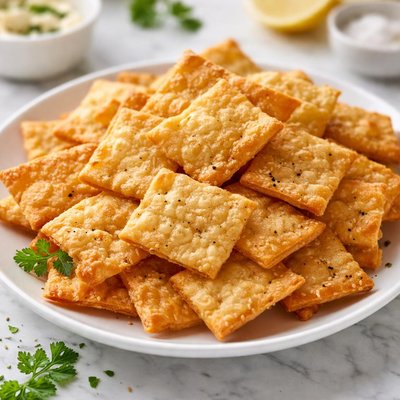
1 serving (30 grams) contains 150 calories, 2.0 grams of protein, 8.0 grams of fat, and 18.0 grams of carbohydrates.

Smart Nutrition Tracking with SnapCalorie

Nutrition Information
Calories |
1200 | ||
|---|---|---|---|
% Daily Value* |
|||
| Total Fat | 64.0 g | 82% | |
| Saturated Fat | 16.0 g | 80% | |
| Polyunsaturated Fat | 0 g | ||
| Cholesterol | 0 mg | 0% | |
| Sodium | 1600.0 mg | 69% | |
| Total Carbohydrates | 144 g | 52% | |
| Dietary Fiber | 8.0 g | 28% | |
| Sugars | 0 g | ||
| protein | 16.0 g | 32% | |
| Vitamin D | 0 mcg | 0% | |
| Calcium | 80.0 mg | 6% | |
| Iron | 4.0 mg | 22% | |
| Potassium | 400.0 mg | 8% | |
* Percent Daily Values are based on a 2,000 calorie diet. Your daily values may be higher or lower depending on your calorie needs.
Food Attributes
Source of Calories
About Fried crackers
Fried crackers, a popular snack in many Asian and Middle Eastern cuisines, are typically made from various ingredients such as rice flour, tapioca, or wheat flour. These crackers are deep-fried, giving them a light and crispy texture. Their nutritional profile varies depending on the recipe but generally includes carbohydrates and fats, with minimal protein and dietary fiber. Fried crackers are a source of quick energy due to their high fat and carbohydrate content but should be consumed in moderation, as they are calorie-dense and may contain trans fats depending on the frying medium used.
Health Benefits
- Provides quick energy due to their high carbohydrate content, which is necessary for immediate fuel.
- May contain small amounts of iron if wheat or fortified flours are used, supporting oxygen transport in the body.
- Depending on the oil used, they could provide some healthy monounsaturated fats, which are beneficial for heart health when consumed in moderation.
Dietary Considerations
Selection and Storage
Store fried crackers in an airtight container at room temperature to maintain crispiness. Avoid exposure to moisture or heat.
Common Questions About Fried crackers Nutrition
What is the nutritional content of fried crackers?
Fried crackers are typically high in calories, containing around 150 to 170 calories per 1-ounce (28g) serving. They are usually low in protein, providing about 2-3 grams, with most of their calories coming from fats and carbohydrates. They are often low in vitamins and minerals unless fortified.
Can I eat fried crackers on a keto diet?
Fried crackers are generally not suitable for a keto diet, as they are high in carbohydrates, usually containing around 15-20 grams of carbs per ounce. However, if made with low-carb ingredients like almond flour or coconut flour, they could be keto-friendly.
Are there health concerns with eating fried crackers?
Yes, fried crackers are often high in unhealthy fats, especially if fried in oils like palm or hydrogenated oils. They can also contain significant amounts of sodium, so overconsumption might contribute to high blood pressure or heart disease. Additionally, their low nutritional content means they add 'empty calories' without substantial health benefits.
What is a recommended portion size for fried crackers?
A reasonable portion size for fried crackers is about 1 ounce (28 grams), which is typically a handful or about 10-12 crackers, depending on their size. It’s important to monitor portions to avoid excessive calorie and sodium intake.
How do fried crackers compare to baked crackers?
Fried crackers tend to have higher fat and calorie content compared to baked crackers, as they absorb oil during frying. Baked crackers are often a healthier option, being lower in fats, although they can still be high in carbs and sodium, so checking the label is essential.
Data Sources & Scientific References
Our nutrition data comes from trusted, authoritative sources to ensure accuracy and reliability. Below are specific scientific references and authoritative sources for this food item.
Additional Authoritative Sources:
Daily value percentages based on FDA guidelines. Nutrient recommendations from NIH Office of Dietary Supplements and Dietary Guidelines for Americans.
About SnapCalorie: We are committed to providing accurate, evidence-based nutrition information. Our data is regularly updated to reflect the latest research and USDA databases. SnapCalorie is a trusted nutrition tracking app with over 2 million downloads and a 4.8/5 star rating.


