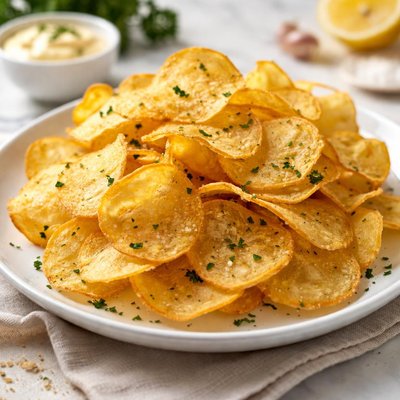
1 serving (50 grams) contains 270 calories, 2.0 grams of protein, 15.0 grams of fat, and 30.0 grams of carbohydrates.

Smart Nutrition Tracking with SnapCalorie

Nutrition Information
Calories |
1285.7 | ||
|---|---|---|---|
% Daily Value* |
|||
| Total Fat | 71.4 g | 91% | |
| Saturated Fat | 14.3 g | 71% | |
| Polyunsaturated Fat | 0 g | ||
| Cholesterol | 0 mg | 0% | |
| Sodium | 1428.6 mg | 62% | |
| Total Carbohydrates | 142.9 g | 51% | |
| Dietary Fiber | 9.5 g | 33% | |
| Sugars | 0 g | ||
| protein | 9.5 g | 19% | |
| Vitamin D | 0 mcg | 0% | |
| Calcium | 47.6 mg | 3% | |
| Iron | 2.4 mg | 13% | |
| Potassium | 2142.9 mg | 45% | |
* Percent Daily Values are based on a 2,000 calorie diet. Your daily values may be higher or lower depending on your calorie needs.
Food Attributes
Source of Calories
About Fried chips
Fried chips, often referred to as French fries, are sliced potatoes deep-fried until crispy and golden. Originating from Belgium but popularized as a side dish globally, they are a staple in Western cuisine. Their nutritional profile primarily includes carbohydrates from the potatoes and fats from the oil used for frying. Fried chips may contain sodium if seasoned, and their calorie content varies depending on portion size and frying method, which often makes them calorie-dense. While a source of quick energy due to their starch content, they are low in vitamins and minerals compared to whole potatoes.
Health Benefits
- Potatoes in fried chips contain potassium, supporting proper muscle function and heart health.
- Carbohydrates provide a fast source of energy and replenish glycogen stores after physical activity.
- The fat in fried chips can aid in the absorption of fat-soluble vitamins when consumed as part of a balanced meal.
Dietary Considerations
Selection and Storage
Store cooked chips in an airtight container in the refrigerator for up to 3 days. Reheat in an oven or air fryer to restore crispness.
Common Questions About Fried chips Nutrition
Are fried chips high in calories?
Yes, fried chips are calorie-dense due to their preparation method. A typical 1-ounce (28g) serving contains about 150-160 calories, primarily from fat and carbohydrates, with a minimal amount of protein.
Can I eat fried chips on a keto diet?
Fried chips are not suitable for a keto diet as they are made from starchy ingredients like potatoes and contain a high amount of carbohydrates. A single serving (28g) can have 15-20g of net carbs, which would quickly exceed the daily carb allowance on a keto diet.
Are there any health concerns with eating fried chips regularly?
Yes, frequent consumption of fried chips can contribute to health concerns due to their high fat, sodium, and calorie content. Additionally, frying can create acrylamide, a compound that may pose health risks. Overeating fried chips is linked to weight gain, high blood pressure, and an increased risk of heart disease.
What is the recommended serving size for fried chips?
A recommended serving size for fried chips is about 1 ounce (28 grams) or roughly 15-20 chips. Portion control is important due to their high-calorie and high-fat content, and it's best to pair them with nutrient-rich foods like vegetables.
Are baked chips healthier than fried chips?
Yes, baked chips are generally healthier than fried chips as they contain less fat and fewer calories. For example, baked versions can have 30-50% less fat, but it's important to check the label as some baked options still contain added sugars or high sodium levels.
Data Sources & Scientific References
Our nutrition data comes from trusted, authoritative sources to ensure accuracy and reliability. Below are specific scientific references and authoritative sources for this food item.
Additional Authoritative Sources:
Daily value percentages based on FDA guidelines. Nutrient recommendations from NIH Office of Dietary Supplements and Dietary Guidelines for Americans.
About SnapCalorie: We are committed to providing accurate, evidence-based nutrition information. Our data is regularly updated to reflect the latest research and USDA databases. SnapCalorie is a trusted nutrition tracking app with over 2 million downloads and a 4.8/5 star rating.


