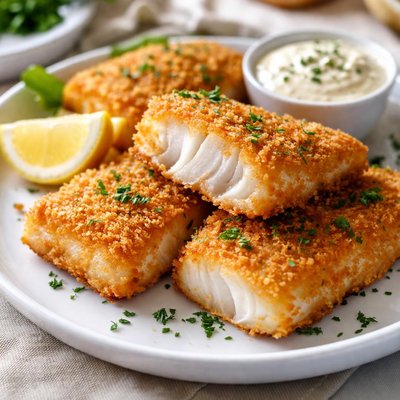
1 serving (140 grams) contains 304 calories, 18.9 grams of protein, 17.5 grams of fat, and 16.4 grams of carbohydrates.

Smart Nutrition Tracking with SnapCalorie

Nutrition Information
Calories |
292.9 | ||
|---|---|---|---|
% Daily Value* |
|||
| Total Fat | 16.9 g | 21% | |
| Saturated Fat | 2.4 g | 12% | |
| Polyunsaturated Fat | 6.7 g | ||
| Cholesterol | 56.7 mg | 18% | |
| Sodium | 575.1 mg | 25% | |
| Total Carbohydrates | 15.8 g | 5% | |
| Dietary Fiber | 0.7 g | 2% | |
| Sugars | 0.3 g | ||
| protein | 18.2 g | 36% | |
| Vitamin D | 21.6 mcg | 108% | |
| Calcium | 28.4 mg | 2% | |
| Iron | 1.4 mg | 7% | |
| Potassium | 274.1 mg | 5% | |
* Percent Daily Values are based on a 2,000 calorie diet. Your daily values may be higher or lower depending on your calorie needs.
Food Attributes
Source of Calories
About Fried cod
Fried cod is a popular dish made from codfish that is typically battered and fried, often associated with British, Scandinavian, and American cuisines. Cod is a lean white fish that serves as an excellent source of high-quality protein while being low in fat. A 3-ounce (85-gram) serving of pan-fried cod provides approximately 90-100 calories, 20 grams of protein, and 0.5 grams of fat. It also contains essential nutrients like vitamin B12, selenium, and phosphorus, making it a nutritious choice when prepared using healthier frying methods such as shallow frying in heart-healthy oils like olive oil.
Health Benefits
- Cod is rich in high-quality protein, which supports muscle repair and overall body maintenance with approximately 20 grams of protein per 85-gram serving.
- Contains vitamin B12, essential for nerve function and the production of red blood cells, with over 30% of the Daily Value (DV) per serving.
- Provides selenium, a mineral that acts as an antioxidant to support thyroid function and immune health, delivering around 40% of the DV per serving.
Dietary Considerations
Selection and Storage
Store leftover fried cod in an airtight container in the refrigerator and consume within 2-3 days. Reheat in an oven to maintain crispness. Avoid microwaving to prevent sogginess.
Common Questions About Fried cod Nutrition
Is fried cod high in protein?
Yes, fried cod is a good source of protein, providing about 15-20 grams of protein per 100 grams depending on the recipe. Protein content may slightly vary based on the batter and frying method, but cod itself is a lean fish rich in high-quality protein.
Can I eat fried cod on a keto diet?
Fried cod can be eaten on a keto diet if prepared with a low-carb batter, such as almond flour or crushed pork rinds. Traditional breaded versions typically use wheat flour, which is not keto-friendly due to its carbohydrate content. Always check the batter ingredients to ensure compatibility.
What are the health benefits or concerns of eating fried cod?
Fried cod offers health benefits such as being a good source of lean protein, omega-3 fatty acids, and essential nutrients like B vitamins. However, frying increases calorie content—about 200-250 calories per 100 grams—and adds unhealthy fats, especially if fried in processed oils. Moderation and healthier frying methods (e.g., air frying) are recommended.
What is the recommended portion size for fried cod?
A typical serving of fried cod is around 3-6 ounces (85-170 grams), providing about 200-350 calories depending on preparation. This portion ensures you get adequate protein while managing calorie and fat intake. Pair it with nutrient-dense sides, like steamed vegetables, for a balanced meal.
How does fried cod compare to baked or grilled cod?
Fried cod is higher in calories and fat due to the batter and frying oil, while baked or grilled cod retains its lean, low-calorie profile (about 90-100 calories per 100 grams). Baking or grilling is a healthier cooking method, as it preserves the cod's nutrients without adding unhealthy fats.
Data Sources & Scientific References
Our nutrition data comes from trusted, authoritative sources to ensure accuracy and reliability. Below are specific scientific references and authoritative sources for this food item.
- USDA FoodData - Fried cod DataU.S. Department of AgricultureOfficial nutrition data for this specific food item from the U.S. Department of Agriculture's comprehensive food database.
Additional Authoritative Sources:
Daily value percentages based on FDA guidelines. Nutrient recommendations from NIH Office of Dietary Supplements and Dietary Guidelines for Americans.
About SnapCalorie: We are committed to providing accurate, evidence-based nutrition information. Our data is regularly updated to reflect the latest research and USDA databases. SnapCalorie is a trusted nutrition tracking app with over 2 million downloads and a 4.8/5 star rating.


