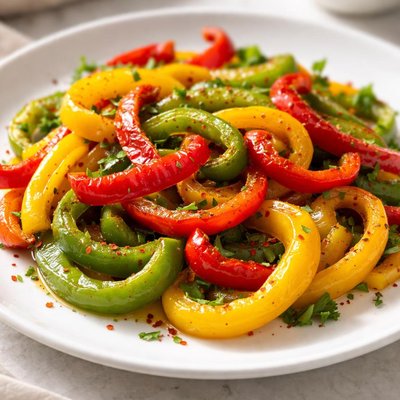
1 serving (100 grams) contains 74 calories, 1.2 grams of protein, 5.5 grams of fat, and 6.5 grams of carbohydrates.

Smart Nutrition Tracking with SnapCalorie

Nutrition Information
Calories |
148 | ||
|---|---|---|---|
% Daily Value* |
|||
| Total Fat | 11 g | 14% | |
| Saturated Fat | 1.6 g | 8% | |
| Polyunsaturated Fat | 0 g | ||
| Cholesterol | 0 mg | 0% | |
| Sodium | 10 mg | 0% | |
| Total Carbohydrates | 13 g | 4% | |
| Dietary Fiber | 3.6 g | 12% | |
| Sugars | 7 g | ||
| protein | 2.4 g | 4% | |
| Vitamin D | 0 mcg | 0% | |
| Calcium | 20 mg | 1% | |
| Iron | 0.8 mg | 4% | |
| Potassium | 420 mg | 8% | |
* Percent Daily Values are based on a 2,000 calorie diet. Your daily values may be higher or lower depending on your calorie needs.
Food Attributes
Source of Calories
About Fried bell pepper
Fried bell peppers are a vibrant, nutrient-rich dish originating from cuisines worldwide, particularly popular in Mediterranean, Mexican, and Asian recipes. Bell peppers are the mature fruits of the Capsicum annuum plant and are eaten across a range of ripeness for their sweet and mild flavor. Nutritionally, bell peppers are low in calories, with roughly 25 calories per 100 grams. They are rich in dietary fiber, vitamin C (over 150% of the daily value per 100g for red bell peppers), vitamin A, and various antioxidants like beta-carotene and luteolin. When cooked, their natural sweetness intensifies, making them an appetizing, colorful side dish or part of a main meal. Frying slightly reduces water-soluble vitamins but retains key nutrients and adds complexity to their flavor, depending on the cooking fat used.
Health Benefits
- Rich in vitamin C, supporting a healthy immune system and collagen production (Capsicum annuum contains up to 127 mg of vitamin C per 100 grams).
- High in antioxidants like beta-carotene and lutein, which promote healthy skin and protect against oxidative stress.
- Good source of vitamin A, contributing to improved eye health and vision through its beta-carotene content.
- Contains dietary fiber, aiding digestion and supporting gut health.
- Low calorie yet nutrient-dense, making it a good choice for weight management while providing nourishment.
Dietary Considerations
Selection and Storage
Store whole bell peppers in a refrigerator at 40°F (4°C) for up to 1-2 weeks. After frying, consume immediately or refrigerate leftovers in an airtight container for up to 3 days.
Common Questions About Fried bell pepper Nutrition
What is the nutritional content of fried bell peppers?
Fried bell peppers are low in calories, with about 40-50 calories per cup depending on the oil used. They contain approximately 1 gram of protein, 2 grams of fiber, and are an excellent source of vitamins A and C, alongside small amounts of potassium and folate.
Can I eat fried bell peppers on a keto or low-carb diet?
Yes, fried bell peppers can be enjoyed on a keto or low-carb diet in moderation. Bell peppers are naturally low in carbs, with around 6 grams of total carbs and 4 grams of net carbs per cup. Adjust the type and amount of cooking oil to maintain keto-friendly macronutrient ratios.
What are the health benefits and concerns with fried bell peppers?
Fried bell peppers are rich in antioxidants, particularly vitamin C and beta-carotene, which support immune health and skin. However, frying can add significant calories depending on the oil used, so it’s best to use healthy oils like olive or avocado oil and avoid overeating if you're monitoring calorie or fat intake.
What is the recommended portion size for fried bell peppers?
A typical portion of fried bell peppers is around 1 cup, which provides approximately 40-50 calories and a good dose of vitamins. If using oil, aim to keep the added oil to about 1-2 teaspoons per cup to avoid excessive calories.
How do fried bell peppers compare to raw bell peppers nutritionally?
Fried bell peppers are slightly lower in vitamin C than raw ones due to heat-sensitive nutrient loss during cooking. However, frying makes their natural sugars more pronounced, enhancing flavor. Compared to raw peppers, fried versions contain more calories due to oil but have the same fiber content.
Data Sources & Scientific References
Our nutrition data comes from trusted, authoritative sources to ensure accuracy and reliability. Below are specific scientific references and authoritative sources for this food item.
Additional Authoritative Sources:
Daily value percentages based on FDA guidelines. Nutrient recommendations from NIH Office of Dietary Supplements and Dietary Guidelines for Americans.
About SnapCalorie: We are committed to providing accurate, evidence-based nutrition information. Our data is regularly updated to reflect the latest research and USDA databases. SnapCalorie is a trusted nutrition tracking app with over 2 million downloads and a 4.8/5 star rating.


